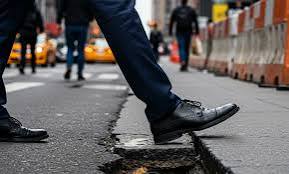

Walking through the Bronx often means navigating busy sidewalks, apartment building entrances, grocery stores, office buildings, and crowded public spaces. Although these environments are part of everyday life, poorly maintained walking surfaces can create serious safety risks. A cracked sidewalk, a wet staircase, or an unmarked spill can cause a sudden fall with consequences that last long after the accident.
Understanding common hazards and knowing what steps to take after an injury can help Bronx residents make informed decisions about their safety and legal options.
1. Why Sidewalk Conditions Matter in the Bronx
Sidewalks are essential to daily life, connecting residential streets with schools, shops, public transportation, and local businesses. However, uneven pavement, loose concrete slabs, potholes, and raised sections can make walking difficult, particularly for older adults, people with mobility limitations, and anyone carrying bags or pushing a stroller.
Tree roots, drainage problems, and neglected repairs may contribute to deteriorating sidewalk conditions. A pedestrian who catches a foot on a raised slab can lose balance and suffer injuries ranging from sprains to fractures or head trauma.
New York City places responsibility for maintaining many sidewalks on the owners of adjoining properties, although exceptions apply. Under New York City Administrative Code Section 7-210, qualifying property owners may be held liable for injuries caused by their failure to maintain sidewalks in a reasonably safe condition. Liability depends on the circumstances and applicable legal requirements.
2. Slippery Floors in Stores and Commercial Buildings
Grocery stores, restaurants, shopping areas, and office buildings experience constant foot traffic. Spilled drinks, leaking refrigerators, tracked-in rainwater, and recently cleaned floors can create slippery surfaces that are difficult to notice.
These hazards become particularly dangerous when employees fail to address spills promptly or provide adequate warnings. A shopper may walk into an aisle without realizing that liquid has accumulated near a refrigerator or entrance.
Businesses can reduce these risks through regular inspections, prompt cleanup procedures, suitable floor mats, and visible warning signs when necessary. When an accident occurs, the circumstances surrounding the hazard, including how long it existed and whether the responsible party knew or should have known about it, may become important in determining liability.
3. Staircases, Handrails, and Apartment Building Safety
Staircases are another common location for serious falls, particularly in apartment buildings and older properties. Loose steps, broken stair nosings, missing handrails, inadequate lighting, and damaged flooring can make routine trips up or down stairs unexpectedly dangerous.
Residents and visitors may encounter these problems when entering their buildings, carrying groceries, or using shared stairwells. Poor lighting can make it harder to identify changes in step height, while a defective handrail may prevent someone from regaining balance after slipping.
Property owners and managers should address maintenance issues and take reasonable precautions to keep common areas safe. Whether a particular condition establishes negligence depends on the applicable duty of care, the evidence, and the facts of the incident.
4. Rain, Snow, and Ice Create Additional Fall Risks
Weather conditions can make walking surfaces more hazardous throughout the Bronx. Rainwater tracked into building entrances can leave floors slick, while snow and freezing temperatures may create dangerous conditions on outdoor walkways, steps, and access ramps.
Ice can be especially difficult to recognize when it blends into the surrounding pavement. Even a small slippery area can cause a pedestrian to fall awkwardly, potentially injuring the wrist, knee, ankle, back, or head.
New York City property owners subject to applicable sidewalk maintenance requirements must take their responsibilities seriously, including relevant snow and ice removal obligations. However, liability is not automatic whenever someone falls during winter weather. The timing of the accident, the condition of the surface, applicable rules, and evidence of negligence all matter.
5. Common Injuries and Their Long-Term Consequences
The impact of a slip and fall accident can range from temporary discomfort to a life-changing injury. A person may initially assume that a fall caused only minor bruising, only to experience increasing pain or restricted movement later.
Common injuries include ankle sprains, wrist fractures, knee injuries, shoulder damage, back injuries, and traumatic brain injuries. Older adults may face particularly serious consequences when a fall results in a fracture or extended immobility.
Recovery can involve medical appointments, physical therapy, medication, and time away from work. Some injuries may also affect a person’s ability to manage household responsibilities or participate in everyday activities.
Seeking appropriate medical attention after a fall is important, even when symptoms initially appear manageable. Medical documentation can also help establish the nature of an injury and its connection to the accident.
6. What to Do After a Slip and Fall Accident
The steps taken immediately after a fall can help protect both personal well-being and important information about the incident.
First, seek medical attention when needed. Avoid putting additional weight on an injured area if doing so could worsen the injury.
If it is safe to do so, photograph the condition that caused the fall. Pictures of broken pavement, pooled water, damaged stairs, missing handrails, or accumulated ice may help document the scene. Wider photographs showing the surrounding building or business can also establish the location.
If you were injured because of a hazardous sidewalk, unsafe staircase, slippery floor, or another dangerous property condition, consider your options before accepting assumptions about who is responsible. You can speak with a Bronx slip and fall lawyer to learn more about your legal options and the steps that may help protect your interests.
Report the incident to the property owner, building manager, or business representative and request that it be documented. If witnesses saw what happened, their names and contact details may be useful.
Keep copies of medical records, receipts, and other documents related to the accident. It can also help to write down what happened while the details remain fresh.
7. Understanding Liability and Potential Compensation
A fall does not automatically mean that a property owner or business is legally responsible. In a premises liability claim, an injured person generally must establish that a dangerous condition existed, that the responsible party was negligent, and that the negligence caused the injury.
Evidence may need to show that the property owner or another responsible party created the hazard, knew about it, or should reasonably have discovered it and addressed it. Maintenance records, photographs, witness statements, inspection logs, and surveillance footage may be relevant.
Depending on the circumstances, a claim may involve medical expenses, lost income, pain and suffering, and other legally recoverable losses. The available damages depend on the evidence and applicable law.
Claims involving public property can involve additional procedural requirements and shorter deadlines. Anyone considering a claim should promptly seek advice about the rules that apply to their specific situation rather than assuming that the ordinary deadline applies.
8. When to Seek Legal Guidance After a Bronx Fall
After a serious fall, injured people may have questions about who was responsible, whether there is sufficient evidence to pursue a claim, and how to handle communications with an insurance company. These questions can become more complicated when several parties share responsibility for maintaining a property.
Speaking with a legal professional can help clarify the relevant facts, potential sources of liability, available evidence, and deadlines. An attorney can also explain how medical expenses, lost earnings, and other losses may factor into a potential personal injury claim.
A fall can disrupt everyday life, but understanding the cause of the accident, documenting the evidence, and seeking appropriate guidance can help you make informed decisions about what comes next.