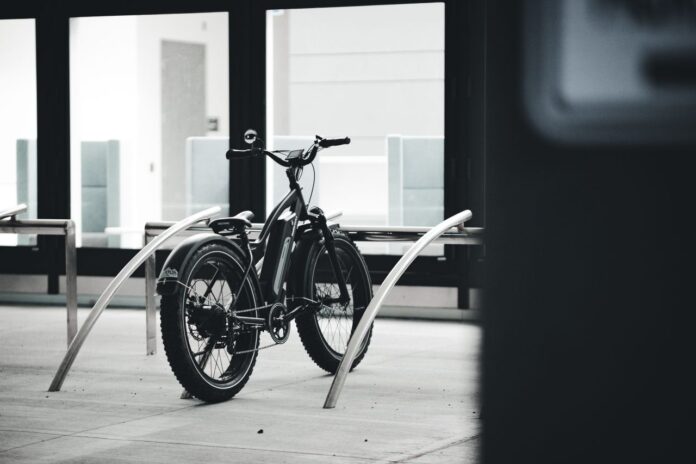

Buying an electric bicycle requires more than comparing prices or choosing a model with the largest battery. Factors such as riding distance, motor performance, comfort, frame design, and maintenance requirements can all influence how well a bicycle suits your everyday needs.
If you are researching an electric bicycle in Perth, start by identifying how you intend to use it. A bicycle for daily commuting may require different features from one designed for weekend rides, longer journeys, or rougher surfaces. Understanding these differences can help you compare options more effectively and make a purchase that suits your riding habits.
1. Check the Battery Capacity and Range
Battery capacity affects how much energy an electric bicycle can store, while the motor’s efficiency and riding conditions influence how far you can travel on a charge.
Manufacturers often provide an estimated maximum range, but actual performance may vary depending on rider weight, terrain, wind, speed, tyre pressure, and the level of pedal assistance used.
Before purchasing, estimate your usual daily distance and consider whether you need enough range for a return journey. Allowing some additional capacity can help prevent range concerns when conditions are less favourable.
It is also worth checking the battery’s charging time, warranty coverage, and replacement availability.
2. Understand the Motor Type
The motor influences how an electric bicycle delivers assistance while pedalling. Different configurations can provide different riding characteristics, so consider the terrain and distances you expect to cover.
Hub motors are positioned within a wheel, while mid-drive motors are located around the crank area. Each design has potential advantages and trade-offs involving weight distribution, maintenance, and riding performance.
Rather than focusing only on advertised motor output, consider how naturally the assistance engages and whether it provides enough support for your intended use.
3. Choose the Right Frame and Bicycle Style
The frame affects riding position, comfort, accessibility, and handling. A step-through design may make mounting and dismounting easier, while a conventional frame may appeal to riders who prefer a different riding position.
Think about your height, flexibility, and the amount of time you expect to spend riding. The correct frame size is important for maintaining control and avoiding unnecessary discomfort.
Tyre design also deserves attention. A fat tyre electric bike may appeal to riders who want wider tyres for added cushioning and stability on suitable surfaces. However, wider tyres can increase rolling resistance and weight, so consider whether their characteristics suit your regular routes.
4. Assess Comfort and Riding Position
An electric bicycle should feel comfortable enough for the journeys you plan to make. Check the saddle, handlebars, frame geometry and pedal position before deciding.
Your posture should allow you to reach the controls naturally without putting excessive pressure on your wrists, shoulders or back.
Suspension and tyre width can also influence ride comfort, particularly on uneven surfaces. If possible, take a test ride to understand how the bicycle responds to bumps, turns and speed changes.
5. Inspect the Brakes and Tyres
Reliable braking is essential for everyday riding. Electric bicycles may use rim brakes or disc brakes, with the most suitable option depending on the bicycle’s design and intended use.
Check how easily you can reach the brake levers and ask about maintenance requirements. During a test ride, assess whether the brakes feel responsive and predictable under safe conditions.
Inspect the tyres for their suitability for your planned routes. Smooth tyres may be appropriate for paved roads, while other tread patterns may be better suited to particular surfaces. The right choice depends on where and how you ride.
6. Consider Weight and Storage
Electric bicycles can be heavier than conventional bicycles because of their motors and batteries. This matters if you need to carry the bicycle upstairs, lift it onto a vehicle rack, or store it in a confined space.
Check the overall weight and consider whether the battery can be removed for charging. Measure your available storage area if space is limited, and confirm that any accessories you need are compatible with the model.
These practical details can make a noticeable difference to everyday convenience.
7. Review Maintenance and Warranty Coverage
Before purchasing, ask about the manufacturer’s warranty, servicing requirements, and availability of replacement components.
Important items to consider include the battery, motor, electrical controls, brakes, tyres and drivetrain. Find out which parts are covered, whether any exclusions apply, and how repairs are handled.
Regular maintenance can help keep an electric bicycle operating reliably. Understanding these requirements beforehand will give you a clearer picture of the ongoing costs involved.
8. Compare the Total Cost of Ownership
The purchase price is only one part of owning an electric bicycle. You should also consider charging costs, routine servicing, replacement tyres, accessories, and potential battery replacement over time.
A less expensive model may provide everything you need for occasional short rides. For frequent commuting or longer journeys, investing in suitable comfort, range and components may be more practical.
Compare bicycles according to the features you will actually use instead of paying extra for specifications that offer little benefit to your routine.
Make an Informed Buying Decision
Before choosing an electric bicycle, assess its range, motor performance, frame size, comfort, braking system, weight, and warranty. Testing suitable models can help you identify differences that are difficult to judge from specifications alone.
If you are comparing options for an electric bicycle in Perth, use these checks to evaluate models against your travel needs and budget. The right choice should provide a practical balance of comfort, performance, reliability, and long-term value.
Ultimately, the best electric bicycle is one that fits your body, suits your regular routes and provides the assistance you need without unnecessary features or costs. Taking time to compare your options before purchasing can help you make a more confident decision.
READ ALSO: Exploring the Stunning Tony Denny Car Collection: A Tribute to Automotive Excellence