
Casselberry yards live with extremes: sandy, fast-draining soils; months of heat; afternoon downpours that arrive like a switched-on faucet; and stretches of dry weather that test turf and shrubs. A resilient landscape here is less about one perfect plant and more about how soil, grading, planting zones, and irrigation work together to handle too much water one week and too little the next. This article focuses on a single goal that affects everything else you do outside: controlling where water goes and how plants get it. With that lens, design decisions become clearer, maintenance gets easier, and your lawn, beds, and hardscapes are more likely to hold up from June thunderstorms through winter dry spells.
- Shape the Site for Runoff Control and Infiltration
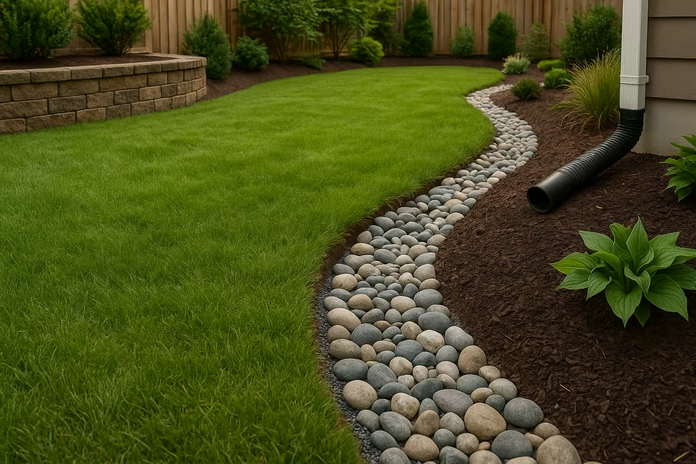
Start with the ground. A gentle slope away from the foundation, consistent from corner to corner, prevents splashback and damp slabs. Use shallow swales to steer roof runoff toward a rain garden rather than letting it sheet across a sidewalk. Where concentrated flow crosses turf, line the swale bottom with river rock over geotextile to keep sand from migrating. In tight side yards, a properly sized French drain with perforated pipe, washed stone, and a solid outlet or pop-up emitter can move water to a safe discharge point. Local resources like www.xdlandservice.com explain how catch basins, downspout extensions, and grading work together to move stormwater quickly without eroding mulch or puddling on patios.
Prepared planting areas can help absorb water. Mixing compost into the top layer of sugar sand increases water-holding capacity without creating a perched, soggy layer. In low spots that stay damp, install a rain garden with moisture-tolerant Florida natives such as blue flag iris, pickerelweed, and muhly grass to slow and clean runoff. A common mistake is laying landscape fabric across a swale or over drain inlets; it traps sand, clogs flow, and creates standing water that kills St. Augustine roots and invites mosquitoes. Instead, use fabric only under rock channels, and keep inlets clear beneath a removable debris grate.
- Group Plants by Water Use and Choose the Right Turf
Hydrozoning groups plants with similar water needs and sun exposure, so irrigation matches real needs. Keep full-sun, high-demand areas like open turf in their own zone; give foundation shrubs a separate zone; and serve shaded beds with dripline or micro sprays that avoid wetting the house. For lawns, St. Augustine grass delivers a dense, soft look and tolerates filtered shade from live oaks, but it asks for consistent moisture and vigilant chinch bug scouting. Bahia is tougher in drought and on sandy, low-input sites, but its coarser texture and open habit show more weeds and tolerate less shade. Zoysia lands between them, with fine texture and good wear, but it needs well-prepped soil and careful irrigation during establishment.
Match plant selection to exposure. Podocarpus and viburnum form clean hedges in sun; wax myrtle handles wetter corners; coontie, dwarf yaupon holly, and firebush anchor beds that swing from rain-soaked to dry. Place deep-rooted species upslope and moisture lovers in the bottoms of swales or near rain garden edges. This reduces hand watering and helps each zone perform despite weekly weather swings.
- Calibrate Irrigation by Zone, Not by the Clock
Sandy soils drain fast, so your watering strategy should moisten the root zone without flushing nutrients past it. Set rotors, sprays, and drip on separate zones because they deliver water at different rates. On sprays and MP rotators, verify head-to-head coverage and pressure regulation; mismatched nozzles create stress stripes that look like disease. In shrub beds, use pressure-compensating dripline spaced to the plant canopy rather than one emitter at the trunk, which encourages shallow rooting and blowover. A simple rain sensor or a weather-based controller that pauses cycles after thunderstorms prevents scheduling sprinklers on top of yesterday’s inch of rain.
Audit where water actually lands. If overspray hits the driveway or sidewalk, adjust arc and distance or swap nozzles to reduce waste and algae staining. Sandy ground rarely needs “cycle and soak” to prevent runoff, but short, measured cycles can keep moisture available during hot mornings without pushing it below the roots. Seasonal tweaks matter too: lengthen rotor runtimes during peak heat, then pull them back when days shorten and turf slows. Recheck coverage after any landscape change, such as adding a hedge that now blocks a spray pattern.
- Keep Mulch, Edging, and Hardscapes from Washing Out
Mulch does more than look tidy; it protects topsoil and moderates temperature. Aim for a consistent 2 to 3 inches of pine bark, pine straw, or melaleuca mulch in beds, but keep it pulled back from trunks and stems to prevent rot. In areas with concentrated flow, coarser bark or stone over geotextile resists movement better than shredded mulch. Use steel or concrete curbing to hold bed lines against stormwater, and ensure paver walkways have a compacted base, proper edge restraints, and washout-resistant polymeric joint sand. Where downspouts exit near hardscape, add a splash pad or river rock channel to spread energy before water reaches the path.
Seasonal Care for Central Florida Yards
Care routines should mirror the calendar. Before summer rains peak, inspect gutters, clear swales, and flush pop-up emitters so they open freely. Mow St. Augustine higher to shade the soil and reduce evaporation, and avoid scalping that exposes stolons to heat stress. As temperatures rise, apply a slow-release fertilizer formulated for your turf type, and use pre-emergent herbicide in late winter to suppress warm-season weeds without disturbing new growth. After major storms, look for washed-out sod seams, loosened pavers, and mulch piled against trunks, then repair grade and reset edges before the next rain. During drier weeks, spot-check drip emitters for clogging and confirm the rain sensor or smart controller hasn’t locked out irrigation longer than intended.
Two quick scenarios show how these principles adapt. On a lakeside lot with a high water table, raise beds slightly with sandy loam, steer roof runoff through a vegetated swale into a rain garden set back from the shoreline, and choose moisture-tolerant plants like pickerelweed near the edge while keeping turf on the higher shoulder. In a small front yard shaded by live oaks, use a shade-tolerant St. Augustine cultivar, convert foundation beds to drip to avoid wetting the stucco, carve a wide mulch ring under the canopy to protect roots, and prune lightly after flushes so wind can pass through without tearing leaders.
A Casselberry landscape that survives extremes is built on a few interlocking choices: shape the site to move and absorb water, group plants by need, irrigate by zone, and use materials that resist washout. Those choices turn weather from a weekly crisis into a manageable routine. Once drainage routes are reliable and hydrozones are dialed in, maintenance becomes proactive instead of reactive: clear swales before storms, adjust runtimes with the season, scout for chinch bugs early, and reset edges before they drift. The payoff is a lawn that stays even, beds that hold their line, and hardscapes that remain safe and clean through summer clouds and winter sun.
<iframe src=”https://www.google.com/maps/embed?pb=!1m18!1m12!1m3!1d433239.255995219!2d-81.36582449999999!3d28.59130395!2m3!1f0!2f0!3f0!3m2!1i1024!2i768!4f13.1!3m3!1m2!1s0x88e76fb4fa0f6a55%3A0xd20c318abcadf648!2sXD%20Land%20Service!5e1!3m2!1sen!2sph!4v1791993554365!5m2!1sen!2sph” width=”600″ height=”450″ style=”border:0;” allowfullscreen=”” loading=”lazy” referrerpolicy=”strict-origin-when-cross-origin”></iframe>