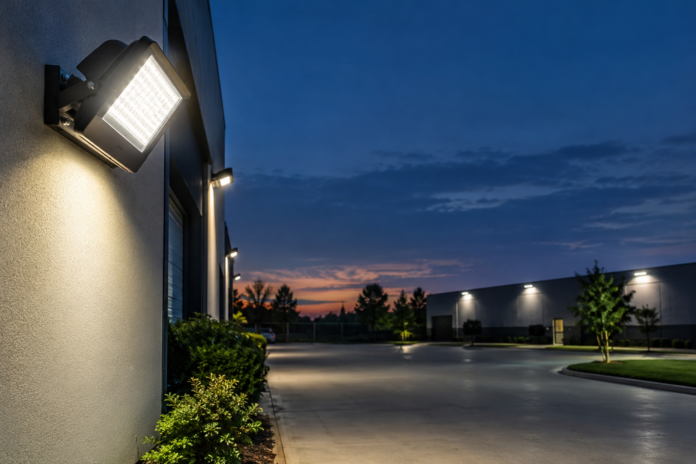

Outdoor lighting plays an important role in making residential, commercial, and industrial spaces safer, more functional, and visually appealing. Whether illuminating a building entrance, securing a warehouse perimeter, or brightening an open yard, choosing the right lighting solution can make a noticeable difference. Poorly lit outdoor areas can create visibility challenges, increase safety concerns, and limit how effectively a space can be used after sunset.
Modern led flood lights have become a popular choice for outdoor illumination because of their energy efficiency, versatility, and ability to provide powerful lighting across wide areas. Unlike traditional lighting systems, LED technology offers better control over light distribution while reducing unnecessary energy consumption.
Understanding where these lights work best can help property owners, facility managers, and businesses make informed decisions about their outdoor lighting needs.
Illuminating Building Exteriors for Better Visibility
Building exteriors are among the most common locations where flood lighting provides practical benefits. Commercial offices, retail stores, warehouses, and residential properties often require dependable lighting around their entrances, walls, and surrounding areas.
Proper exterior lighting improves visibility for employees, visitors, and customers moving around a property after dark. It can also highlight architectural features, making buildings appear more welcoming and professionally maintained.
For commercial buildings, carefully positioned flood lights can illuminate entrances, loading areas, and exterior walkways without creating excessive glare. The goal is to distribute light evenly while avoiding unnecessarily bright spots or uncomfortable shadows.
Property owners should consider mounting height, beam angle, and brightness when selecting fixtures for building exteriors. These factors influence how effectively the lighting covers the intended area.
Improving Security Around Commercial Properties
Security is another important reason businesses invest in outdoor flood lighting. Dark corners, poorly illuminated pathways, and hidden areas around buildings can make it difficult to observe activity during nighttime hours.
Installing led flood lights around commercial properties can improve visibility and support existing security measures. Well illuminated spaces make it easier for security personnel and surveillance cameras to monitor entrances, parking areas, and building perimeters.
Flood lighting is particularly useful around warehouses, distribution centers, storage facilities, and commercial complexes where valuable equipment or inventory may be present.
However, lighting should be planned carefully rather than simply installing the brightest fixtures available. Excessive brightness can create glare and deep shadows that reduce visibility.
A balanced lighting arrangement, combined with appropriate fixture placement, helps create a more effective security environment.
Lighting Open Yards and Storage Areas
Open yards often present unique lighting challenges because they cover large spaces without walls or ceilings to help reflect light. Construction material yards, equipment storage facilities, agricultural properties, and industrial compounds may require illumination across considerable distances.
Flood lights are well suited to these environments because they can distribute light over broad areas from elevated mounting positions.
For example, an equipment storage yard may need lighting that allows workers to identify machinery, navigate pathways, and complete basic tasks after sunset. Similarly, an industrial storage area may require consistent illumination for loading, unloading, and inventory management.
The appropriate lighting design depends on the yard’s dimensions, layout, and activities. Wider beam angles may be useful for general area lighting, while narrower beams can direct light toward specific work zones.
Choosing suitable fixtures can help businesses maintain visibility without wasting electricity on areas that do not require continuous illumination.
Supporting Safer Parking Lots and Vehicle Movement
Parking lots are another environment where reliable outdoor lighting makes a significant difference. Drivers, pedestrians, delivery personnel, and employees all benefit from being able to see clearly when moving through parking facilities.
Poor lighting can make obstacles, curbs, uneven surfaces, and other vehicles more difficult to identify.
Flood lights can illuminate smaller parking areas, building adjacent parking spaces, and vehicle access points. For larger parking facilities, they may be used alongside dedicated parking lot fixtures to achieve more consistent coverage.
Proper placement is essential because poorly positioned lights may produce glare that affects drivers or creates uncomfortable conditions for nearby properties.
When planning parking area lighting, property managers should evaluate traffic patterns, pedestrian walkways, mounting locations, and the required illumination levels.
A thoughtful lighting arrangement can improve visibility while maintaining a comfortable environment for everyone using the space.
Enhancing Residential Outdoor Spaces
Flood lighting is not limited to large commercial properties. Homeowners can also benefit from installing outdoor lighting around garages, driveways, patios, backyards, and garden areas.
Residential flood lights are particularly useful when homeowners need practical illumination for outdoor activities or additional visibility around entry points.
For example, lighting near a garage can make nighttime parking easier, while backyard illumination can support outdoor gatherings and household activities.
Adjustable fixtures allow homeowners to direct light toward specific locations rather than illuminating the entire property unnecessarily.
Motion activated lighting can be another practical option for residential environments. These systems switch on when movement is detected, providing illumination when needed while reducing unnecessary operating time.
Homeowners should also consider neighboring properties when positioning fixtures. Shielded lighting and appropriate brightness levels can help prevent unwanted light from entering nearby windows.
Providing Reliable Lighting for Construction Sites
Construction sites frequently require temporary or permanent lighting solutions, particularly when work continues during early mornings, evenings, or nighttime hours.
Workers need sufficient visibility to operate equipment, move materials, and identify potential hazards around active work zones.
Portable and fixed flood lighting systems can illuminate construction areas, access roads, equipment storage locations, and temporary workspaces.
The lighting requirements may change as construction progresses. Adjustable fixtures and portable lighting towers can offer flexibility when work areas shift.
For construction applications, durability is especially important. Fixtures may be exposed to dust, moisture, vibration, and changing weather conditions.
Selecting lighting equipment with suitable environmental protection ratings helps ensure reliable performance under demanding conditions.
Brightening Sports Courts and Recreational Areas
Outdoor recreational facilities also benefit from powerful and properly distributed lighting. Basketball courts, tennis courts, community playgrounds, and recreational fields often need illumination that allows activities to continue after sunset.
Flood lights can provide the necessary coverage when fixtures are selected and positioned according to the dimensions and intended use of the facility.
Uniform lighting is particularly important in sports environments because inconsistent brightness can make it difficult for participants to track moving objects or judge distances.
The mounting height, fixture orientation, and beam distribution should be considered together to minimize glare and unwanted shadows.
Smaller recreational spaces may use relatively simple flood lighting arrangements, while larger athletic facilities generally require more specialized lighting designs.
Understanding Energy Efficiency and Long Term Performance
One of the main advantages of modern LED technology is its ability to deliver useful illumination while consuming less electricity than many older lighting technologies.
Traditional outdoor lighting systems may require frequent lamp replacements and additional maintenance, especially in facilities where fixtures operate for extended periods.
LED fixtures generally offer longer operating lifespans and lower maintenance requirements when properly selected, installed, and operated.
For commercial and industrial properties, these characteristics can contribute to reduced operating expenses over time.
However, energy efficiency depends on more than the type of fixture installed. Appropriate brightness, effective positioning, and lighting controls also influence overall electricity consumption.
Timers, photocells, and motion sensors can help manage lighting schedules and prevent fixtures from operating when illumination is unnecessary.
Choosing the Right Flood Lights for Different Environments
Not every outdoor location requires the same lighting arrangement. A residential driveway has different requirements from a commercial warehouse yard or a large recreational field.
Before selecting led flood lights, property owners should consider the size of the area, intended activities, mounting height, environmental conditions, and desired brightness.
Lumens indicate the amount of visible light produced by a fixture, while beam angle determines how widely that light is distributed. Color temperature also affects the appearance of an illuminated space.
Outdoor fixtures should have an appropriate ingress protection rating for their exposure to rain, dust, and other environmental conditions.
It is equally important to consider light pollution, glare, and nearby surroundings. Directing illumination only where it is needed can improve efficiency and reduce unnecessary disturbance.
For larger or more demanding installations, consulting a qualified lighting professional can help ensure that the selected fixtures meet practical and applicable safety requirements.
Conclusion
From building exteriors and commercial parking areas to industrial yards, residential properties, and recreational facilities, flood lighting serves a wide range of purposes. Its value comes from improving visibility, supporting safer movement, and allowing outdoor spaces to remain functional after dark.
Modern LED technology offers property owners greater flexibility in managing outdoor illumination while supporting energy efficiency and long term performance.
The most effective results come from selecting fixtures based on the specific needs of each location rather than relying on brightness alone. With proper planning, suitable placement, and appropriate lighting controls, outdoor flood lights can provide dependable illumination for many different environments.