
Key Takeaways
- Planned maintenance can reduce the likelihood of unexpected outages and emergency repairs.
- A useful plan includes asset records, inspections, testing, repair priorities, and safety procedures.
- Critical equipment should receive more attention than systems with limited operational impact.
- Energy and load data can reveal changing electrical demand and equipment that needs review.
- Accurate records make future troubleshooting, budgeting, and upgrades more manageable.
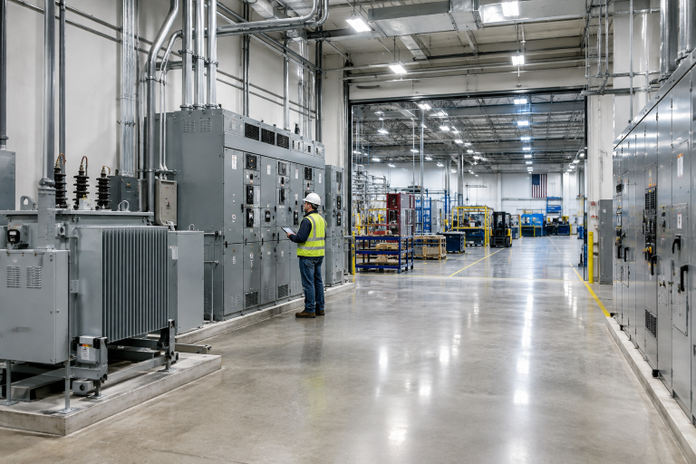
Commercial and industrial properties across Michigan depend on reliable electrical systems to keep people safe, equipment productive, and operations moving. From Detroit warehouses and manufacturing plants to offices, healthcare buildings, retail sites, and multi-tenant facilities, a written maintenance plan helps teams prepare for problems before they become disruptive failures. Working with a qualified commercial electrician in Michigan can help facility managers coordinate inspections, repairs, shutdowns, and system upgrades to meet the building’s needs. Michigan facilities also need plans that account for demanding operating conditions. Cold-weather heating loads, summer cooling demand, dust in production areas, moisture near loading docks, and continuous-use machinery can all affect electrical equipment over time. The goal is not to eliminate every failure. It is to identify warning signs early, prioritize the systems that matter most, and complete work safely with minimal interruption.
Why Electrical Maintenance Needs a Written Plan
Reactive electrical work often happens at the worst possible time, such as during a production run, a tenant’s busiest hours, or severe weather. A written plan creates a shared schedule for facility staff, contractors, operations leaders, information technology teams, and safety personnel. It also makes it easier to document who is responsible for each task and which repairs require a planned shutdown. Electrical work should always be approached with safety as the priority. The workplace electrical hazards identified by OSHA include electric shock, electrocution, fire, and explosion, while appropriate guarding, grounding, protective devices, training, and work practices can help control exposure. Only qualified personnel should work on equipment that may be energized.
Step One: Build a Complete Equipment List
Maintenance cannot be consistent if the facility lacks a clear inventory of its electrical assets. Start with the service entrance, switchboards, panels, switchgear, transformers, motor control centers, disconnects, and major branch circuits. Then include generators, automatic transfer switches, UPS units, batteries, emergency lighting, fire alarm power supplies, HVAC equipment, elevators, pumps, compressors, production machinery, and sensitive electronic loads. For each asset, record its location, manufacturer, model, voltage, capacity, approximate age, service history, and available manuals. Mark systems that support life safety, refrigeration, data, security, production, or other critical functions. Keep one-line diagrams, panel schedules, and equipment labels aligned with the actual building conditions.
Step Two: Rank Equipment by Risk and Business Value
Not every asset needs the same maintenance frequency. A practical ranking system helps direct limited labor and budget toward the equipment with the greatest consequences if it fails.
- Critical equipment: Failure could halt operations, create a safety concern, interrupt essential building services, or damage valuable equipment.
- Important equipment: Failure could cause delays, occupant discomfort, reduced efficiency, or localized disruption.
- Routine equipment: Failure has limited impact and can usually be addressed during normal service windows.
Consider failure history, age, operating temperature, load level, environmental exposure, replacement lead time, and the difficulty of isolating the equipment. Revisit these rankings after expansions, production changes, or major repairs.
Step Three: Set Maintenance Tasks by Frequency
Daily or Weekly Checks
- Look for unusual heat, odor, vibration, noise, corrosion, water exposure, or visible damage.
- Investigate recurring breaker trips, flickering lights, equipment resets, and alarms.
- Keep electrical rooms dry, clean, accessible, and free of stored materials.
- Confirm that disconnects, panels, and emergency equipment remain labeled and unobstructed.
Monthly or Quarterly Checks
- Inspect accessible panels, disconnects, motor controls, lighting systems, and wiring methods.
- Review generator, transfer switch, UPS, battery, emergency-lighting, and exit-sign test records.
- Compare current readings and service calls with earlier inspection results.
- Review occupant complaints that may point to power-quality or circuit-loading issues.
Annual or Planned Shutdown Tasks
- Schedule detailed inspections and suitable testing for major distribution equipment.
- Inspect connections, terminations, insulation, grounding, and protective devices.
- Use infrared scanning or other appropriate diagnostic methods when conditions allow.
- Service backup-power equipment according to manufacturer guidance.
Step Four: Plan Safe Work and Shutdown Windows
Timing is as important as the repair itself. Coordinate planned work with production, tenants, security, building management, and information technology teams. Identify which systems must remain active, define start and stop times, and prepare temporary power or contingency procedures when necessary. Use lockout and tagout procedures whenever hazardous energy may be present, restrict access to qualified workers, and keep unauthorized personnel away from exposed electrical equipment.
Step Five: Track Energy Use and Load Changes
Utility bills, demand trends, and submeter data can add useful context to maintenance decisions. The commercial building energy data collected by the U.S. Energy Information Administration covers building characteristics and energy end uses, including lighting, heating, cooling, and ventilation. Facility teams can compare their electricity use with occupancy, production schedules, and operating hours to identify unexpected after-hours loads or changes in capacity needs. Review lighting controls, HVAC schedules, motors, compressors, and process equipment before adding new loads. A load review can help determine whether existing equipment has adequate capacity and whether an upgrade should be planned before expansion begins.
Step Six: Create Clear Inspection and Repair Records
Every inspection should record the date, asset, location, technician, work performed, readings or observations, and recommended next step. Photos can help document heat marks, damaged enclosures, corrosion, worn components, or labeling issues. Separate urgent hazards from items that can wait for a scheduled outage, then assign each repair an owner, priority, budget estimate, and target date.
Common Problems and Better Decisions
Electrical reviews frequently uncover loose or overheated connections, overloaded circuits, unbalanced loads, damaged conduit, missing covers, blocked working space, outdated labels, moisture, dust, and recurring trips that were never fully diagnosed. Aging batteries, weak backup systems, and unrecorded equipment changes also deserve attention. Commercial facilities often focus on tenant comfort, lighting, HVAC, elevators, emergency systems, and occupied-building safety. Industrial sites may place greater emphasis on motors, automation, controls, high-demand process loads, spare parts, and exposure to downtime. In either setting, repair equipment when the issue is limited and the asset remains sound. Upgrade when capacity, controls, safety features, or efficiency no longer fit operational needs. Replace equipment when damage is severe, failures repeat, critical parts are unavailable, or future demand exceeds its practical capability.
Make Maintenance a Routine Business Practice
A practical electrical maintenance plan does not have to be complicated. It needs complete records, clear priorities, safe work methods, and consistent follow-through. By reviewing electrical assets before failure occurs, Michigan facility teams can plan outages more effectively, protect critical operations, and make better repair or replacement decisions throughout the year.
Conclusion
A reliable electrical maintenance program begins with understanding the building’s equipment, identifying critical systems, and establishing a schedule that fits actual operating conditions. By combining routine inspections, appropriate testing, load monitoring, safe work procedures, and accurate service records, Michigan facility teams can identify potential issues earlier and make more informed repair and replacement decisions. Prioritizing equipment according to safety risks and operational impact also helps direct maintenance budgets toward the systems that matter most. As facilities expand, adopt new technology, or experience changes in electrical demand, the maintenance plan should be reviewed and updated to reflect these needs. With consistent follow-through and support from qualified electrical professionals, commercial and industrial properties can better prepare for unexpected problems, coordinate necessary shutdowns, and maintain electrical systems that support daily operations over time.