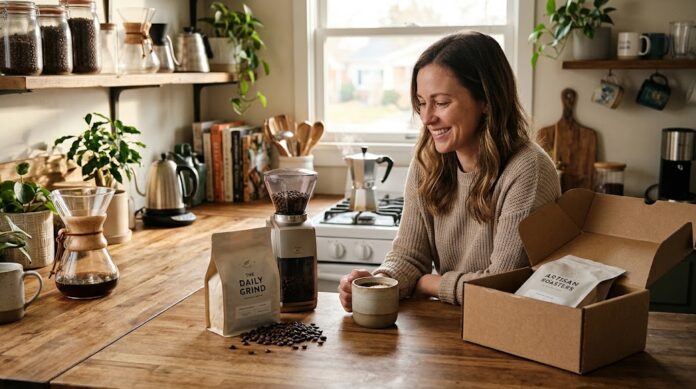

Most people can tell you exactly how they take their coffee. Fewer can tell you how often they run out of it. The bag gets low, someone forgets to add it to the shopping list, and the next morning starts with a hurried trip to the nearest café or a cup brewed from whatever is left in the back of the cupboard.
It’s a small problem, but it says something about modern routines. People are busy, schedules are packed, and the things we rely on most are often the ones we think about least until they’re gone. That’s one reason subscription services have spread from streaming and software into everyday groceries, pet food, razors and, increasingly, coffee.
The Subscription Economy Moves Into The Kitchen
Subscriptions took off because they solve a simple problem: they remove a recurring decision. Instead of remembering to buy something every few weeks, the purchase happens automatically and the product shows up when it’s needed.
For a long time, that model worked best for digital products. Physical goods were harder because people’s needs change. A household might drink more coffee in winter, less during a summer vacation, and none at all for two weeks while traveling. Early subscription programs that shipped the same thing on a fixed schedule often ended in overflowing cupboards and cancelled accounts.
The services that have lasted learned from that. Today, many let customers adjust delivery frequency, swap products, skip a shipment or pause entirely without calling anyone. Flexibility has turned out to matter as much as convenience. People are happy to automate a habit, but they want to stay in control of it.
Why Freshness Changes The Equation
Coffee is a particularly good fit for this model because of how quickly it changes after roasting. Roasted beans start losing aroma and flavor within a few weeks. A bag that has sat on a store shelf for months can taste flat compared with one roasted recently.
That gives direct-to-home delivery a real advantage. When beans are roasted in small batches and shipped soon afterward, they tend to arrive closer to their peak. Buying whole beans and grinding them just before brewing helps preserve that freshness even further, since ground coffee loses its character faster.
A steady delivery schedule also keeps supply in balance. Instead of buying a large bag that goes stale before it’s finished, households can receive amounts that match how much they actually drink. Less coffee goes to waste, and every cup comes from beans that haven’t been sitting around too long.
Variety Without The Guesswork
Another appeal of coffee subscriptions is discovery. Walking down a grocery aisle, most shoppers reach for the same brand every time because choosing something new feels like a gamble. A subscription can lower that barrier.
Many programs offer a mix of options. Some customers stick with a dependable house blend or an espresso roast they know they like. Others choose single-origin coffees from places such as Colombia or Ethiopia, where growing conditions and processing methods give each coffee its own flavor. A popular option is a rotating roaster’s choice, where the roaster sends a different seasonal coffee as new harvests arrive.
Decaf drinkers aren’t left out either. Quality decaffeinated coffee has improved considerably, and including it in a subscription makes it easier for households where some people want caffeine and others don’t.
Supporting Local Craft From Anywhere
Small-batch roasters have become part of the identity of many cities. Neighborhood roasteries supply local cafés, run tasting events and build loyal followings among people who live nearby. Subscriptions let those roasters reach customers far beyond their own streets.
That has changed how people think about buying local. Someone who visited a favorite café on a trip can keep drinking that coffee at home, hundreds of miles away. A Chicago coffee subscription, for example, can carry a city’s roasting style to a kitchen in Denver or Atlanta, while still supporting the small business behind it.
For roasters, recurring orders bring predictability. Knowing roughly how much coffee customers will need each month helps with planning, sourcing and production. That steady demand can support more careful buying from farms and more consistent quality in each batch.
What To Look For Before Signing Up
Not every subscription is built the same way, and a few details make a big difference to whether it fits a household.
Delivery control. Look for the ability to change frequency, skip shipments or pause without penalties. Life changes, and the service should change with it.
Freshness. Check whether coffee is roasted in small batches and shipped soon after roasting, rather than pulled from long-term storage.
Format. Whole beans stay fresh longer. If you don’t own a grinder, find out whether ground options are available and how they’re packaged.
Shipping costs. Some services include free shipping, while others add fees that can quietly raise the real price of each bag.
Pricing. Subscriptions often come with a discount compared with one-time purchases. Compare the per-bag cost against what you currently spend.
Range. If you enjoy trying new coffees, look for seasonal or rotating options. If you prefer consistency, make sure your favorite stays available.
Building A Better Daily Ritual
A well-planned subscription does more than keep the cupboard stocked. It turns a daily habit into something a little more intentional. Fresh beans encourage people to pay attention to how they brew. A new seasonal coffee can spark curiosity about where it was grown. Even the arrival of a package can become a small moment to look forward to.
None of this requires expertise. A few simple habits help most people get more from their coffee:
Store beans in an airtight container away from light and heat.
Grind only what you need for each brew.
Use filtered water when possible.
Try a new coffee every so often, even if you have a favorite.
Adjust delivery frequency after the first month to match how much you drink.
Morning routines set the tone for the rest of the day. Taking one recurring task off the list and making sure the first cup tastes the way it should is a small change, but small changes are often the ones people keep.