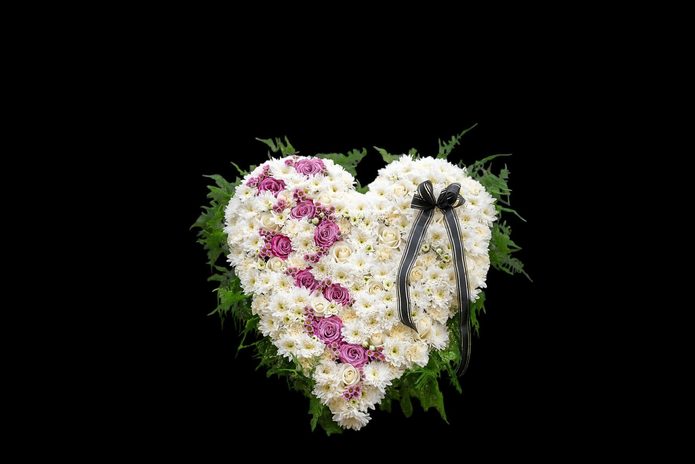

The traditional funeral format has remained largely unchanged for generations. The chapel service, the formal procession, the prescribed elements of a ceremony that most families have attended enough times to know by heart: these have been the default for so long that departing from them can feel like doing something wrong rather than something different.
What’s changing is that a growing number of families are departing from them anyway, and what they’re discovering on the other side is not the diminished farewell they feared but something that often feels more genuine, more personal, and more reflective of the person being remembered than the conventional format would have allowed. The shift toward simpler funeral options is happening across a broad enough demographic, and for a wide enough range of reasons, that it represents a genuine cultural change rather than simply a response to economic pressure.
What Is Driving Families Toward Simpler Options
The motivations behind the growing preference for simpler funeral formats are more varied than the cost-focused framing of most media coverage suggests.
The wishes of the deceased are among the most significant drivers. A generation that has been more willing than its predecessors to discuss death openly, to complete advance care directives, and to express preferences about end-of-life care has also been more willing to express preferences about how they want to be remembered. People who felt strongly about not wanting a fuss, who objected on principle to spending significantly on a ceremony they wouldn’t be present to experience, or who simply preferred the idea of a private and unceremonious process have been communicating those preferences to their families in ways that earlier generations rarely did. Honouring those wishes is a form of respect that many families find more important than convention.
The desire for a memorial that feels specific to the person rather than generic to the occasion is another consistent motivation. The conventional funeral format provides a structure that is familiar and well-managed, and that is precisely what can make it feel less than fully representative of any particular individual. A ceremony that follows the same broad format regardless of whether the person was a keen gardener, a devoted musician, or someone who would have found the formality of a chapel service entirely incongruous with how they lived, doesn’t always produce the sense of genuine commemoration that families are hoping for.
The flexibility that simpler formats provide for the memorial itself is a motivation that surprises families who initially approach the decision primarily on cost grounds. The ability to plan a gathering in the person’s own time, in a location that held meaning for them, with the people who actually knew them, and in a format that reflects how they lived rather than how deaths are conventionally marked, produces something that many families describe as significantly more meaningful than the traditional service it replaced.
What Direct Cremation Actually Involves
Direct cremation is the format that has grown most significantly within the simpler funeral category, and it’s also the one most frequently dismissed based on incomplete understanding of what it actually provides.
A direct cremation handles the complete legal and practical requirements of the death: the transfer of the deceased into professional care, all documentation including death registration, the cremation itself, and the return of the ashes to the family. What it doesn’t include is a formal ceremony at the time of the cremation. The family is not present for the cremation. There is no coffin viewing, no chapel service, no committal in the presence of family. The process is handled professionally and with care, and the outcome is the return of the ashes to the family who can then choose how and when to mark the death in the way that suits them.
The quality of care provided within a direct cremation is determined by the provider rather than by the format. A direct cremation from a provider who maintains its own mortuary, manages all care in-house rather than outsourcing it, and brings the same professional standards to a direct cremation as to any other service type is a very different proposition from one where the lower cost reflects lower care rather than a simpler format. The distinction matters and is worth asking about directly when comparing providers.
For families considering this option, low-cost cremation in Sydney through an independent, family-operated provider means the care is managed entirely in-house rather than outsourced, with transparent all-inclusive pricing that covers every element of the process and no hidden fees added after the arrangement is made. Sydney Memorial Cremations operates a 24-hour phone line for families who need guidance at any point, and the standards applied to a direct cremation reflect the same professional care as their full-service options.
The ashes are returned to the family typically within four to six business days of the cremation, in a container suitable for keeping or for scattering at a location the family chooses. The timeline is predictable, the process is managed entirely by the provider, and the family’s role in the direct cremation phase is simply to make the decision and allow the provider to handle everything else.
The Memorial That Follows and Why It Often Surpasses the Traditional Service
The separate memorial that direct cremation enables is the element that most consistently surprises families who choose this option. The expectation, often, is that the absence of a formal funeral service will produce a sense of incompleteness, a feeling that the person’s death wasn’t properly acknowledged. What many families discover instead is that the memorial they plan themselves, with the ashes and without the compressed timeline of the immediate post-death period, produces something more genuinely commemorative than the conventional format they stepped away from.
The reasons are specific rather than mysterious. A memorial planned over weeks rather than days, by people who are past the most acute phase of initial grief, reflects more deliberate thought about what the person would have wanted and what the people attending need from the gathering. The location can be somewhere that actually meant something to the person rather than the nearest available chapel. The format can include elements that a formal funeral service wouldn’t accommodate: the favourite meal shared at a favourite restaurant, the walk along a beach the person loved, the gathering in a garden where the ashes are scattered among plants the person tended.
The people who attend a well-planned separate memorial are those who chose to be there because they wanted to mark the occasion rather than those who felt obligated to attend a funeral service. The quality of presence in the room, or in the garden, or on the clifftop, is different when attendance is a genuine choice, and that quality affects the experience of the gathering in ways that the number of people present doesn’t fully capture.
What Families Are Consistently Finding
The families who choose direct cremation and a separate memorial, and who describe the experience afterwards, consistently mention a quality of surprise at how well it worked relative to their initial uncertainty about whether it was the right choice. The person was honoured. The gathering felt genuine. The memorial reflected who the person actually was rather than who deaths are conventionally expected to be. And the flexibility that the format provided turned out to be a gift rather than a burden, because the family used it to create something that the conventional format, for all its structure and familiarity, wouldn’t have produced.
The growing case for simpler funerals is ultimately a case for the proposition that the meaning of a farewell is not determined by its format or its cost. It’s determined by the genuine intention behind it and the care with which it reflects the specific person being remembered. Simpler formats, chosen for the right reasons and used well, have proven entirely capable of delivering that meaning, and the families who have discovered this are the clearest evidence that the shift underway is more than a trend.