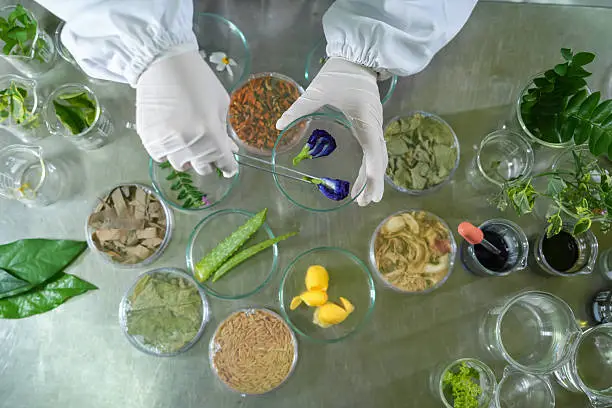

The narrative surrounding plant-based nutrition has evolved far beyond the ethical and ideological perimeter of early veganism. Over the past five years, the category has matured into a mainstream food-science revolution driven by performance nutrition, clean culinary architecture, and scalable manufacturing.
Today’s consumers no longer view plant-based eating as a dietary compromise. Instead, they demand products that match the sensory density, structural chew, and amino acid completeness of conventional animal proteins.
The Cultural Shift: From Niche Veganism to Mainstream Plant-Based Eating
The modern protein transition is powered by flexitarians—conscious consumers seeking dietary optimization rather than dogmatic elimination. This mainstream audience expects plant-derived formulations to integrate seamlessly into their lifestyle without sacrificing culinary indulgence or post-exercise recovery.
As modern plant-forward dietary shifts continue to reshape contemporary gastronomy, retail brands face mounting pressure to deliver authentic textural bite. The early era of mushy veggie patties has been decisively replaced by extruded whole-muscle analogues that slice, brown, and chew like real meat.
Achieving this standard requires moving past rudimentary botanical flours. For food manufacturers, the central challenge lies in identifying scalable, functional proteins that offer both superior gelling mechanics and comprehensive metabolic bioavailability.
Decoding the Science of High-Performance Plant Proteins
The texture and nutritional density of modern meat alternatives don’t happen by accident; they are the direct outcome of advanced food engineering. Securing a reliable SAIGAO is the first critical step for modern food brands aiming to recreate the exact mouthfeel and protein-per-gram ratio of traditional animal products without the associated environmental toll.
Industrial formulators evaluate raw protein sources not merely on dry protein content, but on molecular functionality—specifically solubility, water-holding capacity, oil emulsification, and heat-induced gel strength.
The Enduring Power of Soy Protein
Despite continuous exploration of novel botanical sources, soy remains the gold standard in industrial food manufacturing due to its unmatched physicochemical versatility:
- Protein Digestibility-Corrected Amino Acid Score (PDCAAS): High-grade soy protein achieves a PDCAAS rating of 1.0, matching dairy whey and egg albumin in metabolic efficacy.
- High-Moisture Extrusion Cooking (HMEC): The globular proteins in soy—specifically glycinin and
 -conglycinin—readily unfolds under shear and heat, realigning into longitudinal fibrous bundles that mirror animal muscle tissue.
- Emulsification and Water Retention: Soy proteins stabilize oil-in-water emulsions across high-shear commercial blending, preventing moisture purge and preserving juiciness through frozen distribution and retail cooking.
- Neutral Flavor Carrier: Advanced processing techniques have minimized the characteristic beany off-notes associated with lipoxygenase activity, providing a clean canvas for natural savory flavor systems.
Achieving Complete Amino Acid Profiles
A persistent criticism of plant proteins is their unbalanced amino acid distributions. While cereals like wheat and rice lack lysine, and legumes like peas are typically deficient in sulfur-containing amino acids (methionine and cysteine), soy delivers a complete spectrum:
- Leucine Thresholds: Provides the essential threshold of leucine (~8% of total amino acid content) required to activate the mTOR pathway, triggering effective muscle protein synthesis (MPS) in fitness-focused consumers.
- Branched-Chain Amino Acid (BCAA) Density: High concentrations of valine and isoleucine ensure sustained athletic recovery, rendering soy-based products viable for functional performance nutrition.
- Balanced Nitrogen Retention: Clinical nitrogen balance trials confirm that processed soy proteins exhibit comparable biological values to lean mammalian meat.
Innovation in Food Tech: Concentrates vs. Isolates
Selecting between Soy Protein Concentrate (SPC) and Soy Protein Isolate (SPI) represents one of the most critical formulation decisions for plant-based R&D teams:
- Soy Protein Concentrate (SPC): Contains approximately 65% to 70% protein on a dry-weight basis. Produced via an aqueous ethanol extraction process, this wash strips out soluble sugars (raffinose and stachyose) while retaining the native insoluble fiber matrix.
- Structural Superiority of SPC: Because it preserves structural fiber alongside denatured globulins, SPC exhibits superior tensile strength during twin-screw extrusion, yielding the fibrous resistance and elastic bite demanded in plant-based chicken strips and burger patties.
- Soy Protein Isolate (SPI): Yields 90% or greater protein purity through alkaline extraction followed by isoelectric acid precipitation. While exceptionally rich in protein, SPI forms softer, more cohesive gels.
- Digestive Comfort: The removal of oligosaccharides during SPC production virtually eliminates the gastrointestinal distension and gas frequently associated with minimally processed legume flours.
| Protein Source / Ingredient | Protein Concentration (per 100g) | PDCAAS Score | Key Processing Strengths | Primary Consumer Applications |
| Soy Protein Concentrate (SPC) | 65g – 70g | 0.98 – 1.00 | High-tensile fibrous extrusion, moisture binding | Plant-based meat cutlets, patties, high-protein cereals |
| Soy Protein Isolate (SPI) | 90g – 92g | 1.00 | Rapid solubility, smooth emulsion, soft gelation | Protein powders, ready-to-drink shakes, dairy alternatives |
| Pea Protein Isolate | 80g – 85g | 0.65 – 0.80 | Hypoallergenic, non-GMO positioning | Meal replacements, allergen-free plant meats |
| Lean Beef (85/15 Trim) | ~26g (Wet basis) | 1.00 | Natural muscle fiber architecture | Traditional meat applications |
The Environmental Footprint of Protein Processing
Beyond sensory fidelity and amino acid biochemistry, the modern plant-based movement is anchored in ecological efficiency. Traditional livestock farming requires vast acreage and intensive feed-conversion cycles to produce mammalian muscle tissue.
Modern ingredient manufacturing by contrast utilizes closed-loop extraction methods that maximize biomass yield while drastically curbing resource consumption. Industrial water recycling systems and flash desolventizing technologies have lowered the energy intensity of protein extraction by up to 40% across modern processing facilities.
The ecological argument for transitioning to plant-derived ingredients is overwhelmingly supported by global data. Research published in the journal Nature indicates that transitioning to plant-based diets could significantly reduce global greenhouse gas emissions and drastically cut the land use required for agriculture.
Aligning with regenerative environmental sustainability targets is no longer an optional corporate talking point; it is a vital prerequisite for modern food enterprises.
As food science continues to refine high-performance protein concentrates, the convergence of nutritional completeness, culinary authenticity, and reduced environmental strain will define the future of global protein consumption.