
Two trips to the White Continent can look similar on a map yet feel entirely different on the water. Conditions shift quickly with the short summer, and choices you make before booking do most of the heavy lifting. Month, route, and ship type determine what wildlife you are likely to see, how much time you spend ashore, and even whether a narrow, ice-choked passage will be open. This article breaks down those variables so you can set realistic expectations. Instead of chasing a checklist, you will weigh trade-offs with clear eyes and understand what a great day down south really depends on.
- Seasonal Differences: November to March on the Antarctic Peninsula
If you are comparing dates for an Antarctica cruise, the calendar matters more than most expect. In November and early December, lingering sea ice can block tight corridors like the Lemaire Channel, the snowpack is clean and bright, and penguin colonies focus on courtship and nest building. By January, chicks hatch, snow melts into patchy, sometimes muddy terrain, and iceberg alleyways open for more Zodiac cruising. February and March offer the best odds for humpback whales bubble-feeding in calm bays as krill become abundant, while penguin creches grow and fledglings test the water. Light changes too: early season offers long, high-angle sun; late season often brings richer evening color.
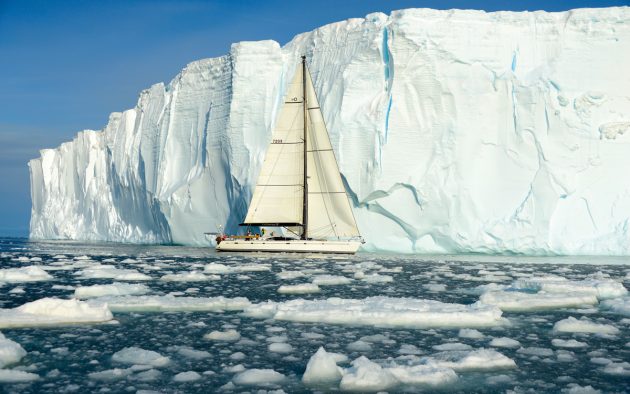
Consider two travelers. One dreams of pristine white landscapes and sculptural pack ice: late November suits that goal, with more tabular ice drifting out of the Weddell Sea. Another hopes for penguin chicks and frequent whale encounters: February usually fits, though some snow will be slushy and landings will be rockier and more exposed. Both choices are excellent, but they deliver different photo subjects, walking conditions, and probabilities of reaching certain sites.
- Choosing a Route: Peninsula Only, South Shetlands, or Itineraries with South Georgia
Most expeditions focus on the Antarctic Peninsula and its gateway, the South Shetland Islands, where reliable landing sites like Deception Island’s flooded caldera and Half Moon Island offer wildlife and geology within reach of Zodiacs. Some itineraries head to the Weddell Sea’s iceberg fields when wind and ice charts allow. Longer programs add the Falkland Islands and South Georgia, trading more sea days across the Scotia Sea for king penguin colonies, wandering albatross nesting cliffs, and Shackleton history at Grytviken. The tradeoff is straightforward: the farther you range, the broader the wildlife narrative, but you will spend more time at sea and compress your Peninsula landings into fewer days.
- Ship Size, IAATO Rules, and Time Ashore
Passenger count shapes your day as much as the map. IAATO guidelines cap the number of people ashore at once to protect fragile sites. Small expedition ships typically carry around 100 to 200 guests and can rotate quickly in Zodiacs, granting longer walks among penguin rookeries or extended Zodiac cruises along brash ice shorelines. Large cruise ships may boast theaters and multiple restaurants but often cannot land, limiting you to scenic cruising. Ice-strengthened hulls and experienced bridge teams expand your options when bergy bits fill a cove, while features like stabilizers help in the swell of the Drake Passage but don’t eliminate motion. A common mistake is choosing amenities over access, then learning too late that landings were never possible.
- Sail the Drake or Fly the Drake: Time and Weather Tradeoffs
Crossing the Drake Passage takes roughly 36 to 48 hours each way over about 600 miles of open ocean. The reward is a classic seafaring chapter: sightings of light-mantled sooty albatross and wandering albatross, safety briefings unrushed by a flight schedule, and time to dial in layered clothing and camera setups. Fly-in trips charter to King George Island to skip the crossing and add extra Peninsula time, but weather can delay departures on either end, and luggage weight limits affect gear choices. If your schedule is tight and you are sensitive to seasickness, flying makes sense, as long as you accept that Antarctica, not airlines, calls the shots when fog and crosswinds settle over the runway.
- What a Landing Day Actually Looks Like
A typical landing day starts with a wake-up call and a briefing from the expedition leader that pairs site objectives with wind and swell forecasts. Before stepping into the mud room, you vacuum outerwear and backpacks for seeds an,ean boot treads to meet biosecurity standards, theandar up: moisture-wicking base layers, a warm mid layer, wata erproof jacket and pants, insulated muck boots, and gloves with liners. Put a rain cover on the cameras and keep spare batteries in a dry bag. Boarding Zodiacs involves a seated step under a crew hand, not a leap. Shore plans can switch from a hike to a Zodiac cruise if katabatic winds tear down a glacier valley or surge builds on the beach. Back on board, boots pass through disinfectant and hang to dry for the next sortie.
Decision Shortlist: How to Match Priorities to an Expedition
Start by ranking season goals: early ice and fresh snow, peak penguin chick season, or late summer whales. Next, weigh route scope: Peninsula only efficiency or the deeper wildlife arc of South Georgia and the Falklands. Then decide on ship size with IAATO realities in mind: fewer guests usually means more time ashore and smoother Zodiac rotations. Finally, choose a crossing style: sail for seabird-filled sea days and a gradual build, or fly to maximize Peninsula hours and absorb possible delays. Ask operators about landing procedures, Zodiac capacity, biosecurity routines, and contingency plans for weather and ice. Clear priorities make itinerary tweaks a feature, not a frustration.
No plan guarantees a glassy Lemaire Channel or a humpback tail next to your Zodiac. But understanding how month, route, and ship type influence landing access, wildlife timing, and daily rhythm puts luck on your side. Keep your list short and specific: a penguin life stage, a preference for hiking versus Zodiac cruising, or a tolerance for big water days on the Drake. Accept that flexibility is part of the ice code, pack for wet and wind, and trust the expedition team to work the forecast’s edges. Antarctica rewards informed choices and patient eyes. When the weather opens, you will be ready to step ashore and truly watch the place breathe.