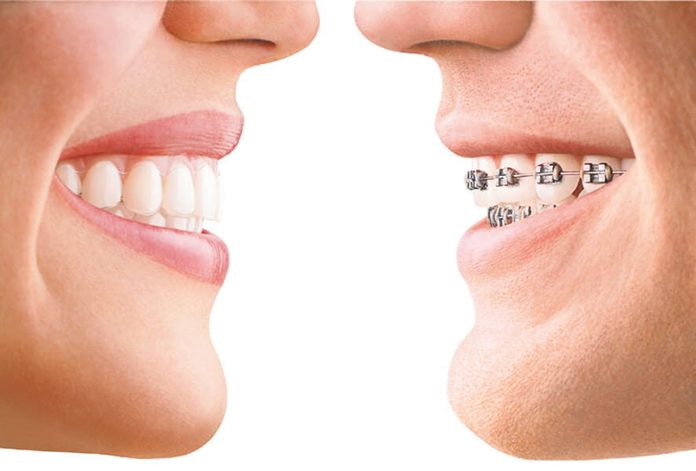

Choosing between fixed braces and clear aligners is less about trends and more about biomechanics, hygiene, and your day-to-day routine. Teeth don’t simply “straighten”; they rotate, tip, intrude, extrude, and torque within bone, and some movements are easier with certain appliances. Add practical factors like flossing around brackets, wearing trays 22 hours a day, travel, diet, and retainer plans, and the better choice becomes clearer. This article explains how bite type, needed tooth movements, and lifestyle shape which approach will serve you best, so your expectations match what orthodontics can predictably deliver.
- Start With the Bite: Movements Each Method Handles Best
Braces use bonded brackets, archwires, and auxiliaries like power chains, coil springs, and elastics to apply continuous force across the arch. Clear aligners use a series of custom trays plus small, tooth-colored attachments to stage movements. If you are comparing North Dallas providers, a combined general dentistry and orthodontic office such as Thrive Dental and Orthodontics can evaluate whether your goals involve rotations of canines and premolars, root torque of incisors, or vertical changes for a deep bite. Severe rotations, large midline shifts, and controlled extrusion often respond more predictably with fixed appliances, while mild to moderate crowding and spacing are frequently well suited to aligners.
Diagnosis guides this call. Panoramic and cephalometric X-rays, and sometimes CBCT imaging, show root positioning, impacted canines, and jaw relationships that photographs cannot reveal. A posterior crossbite in a growing teen may benefit from transverse expansion with a palatal expander before aligning teeth, something braces integrate cleanly. By contrast, aligners can stage a simple diastema between upper incisors or mild lower incisor crowding with strategic interproximal reduction (IPR) to create space.
- Where Clear Aligners Shine and Where They Struggle
Removability is the aligner advantage. You can brush and floss normally, reducing plaque buildup and the risk of white spot lesions that can develop around brackets. Aligners also avoid dietary restrictions on sticky caramels or hard nuts and are less likely to irritate the cheeks. That said, they require consistent wear, typically 20 to 22 hours daily, and good compliance with tray changes, seating with chewies, and wearing elastics when prescribed. They may struggle with significant extrusion, stubborn canine rotations, and large corrections of a skeletal Class II or Class III bite without added attachments, buttons, or even temporary anchorage devices (TADs).
Consider a frequent traveler who presents with mild upper crowding and a small overjet. Clear aligners can be discreet for client meetings and flights, and the patient can pack the next set of trays. The tradeoff: attachments can still be visible, and losing an aligner on the road may mean wearing the prior tray and calling the office to avoid backsliding. For some, that level of discipline is easy; for others, fixed brackets that “work” while you live your life are the safer bet.
- When Fixed Braces Are the Workhorse
Fixed braces excel at complex biomechanics and anchorage control. Orthodontists can apply root torque with rectangular archwires, chain impacted canines into place after surgical exposure, and use elastics to correct a deep bite or coordinate arches in Class II or Class III cases. Power chains close extraction spaces; steel ligatures secure stubborn rotations; and TADs provide a stationary anchor to move molars without reciprocal side effects. Break a or bebracket nd a wire, and you will need a repair visit, but you won’twon’t relywear time to make progress.
Picture a teen with a unilateral crossbite and a narrow palate. Treatment might start with a rapid palatal expander to widen the maxilla, then to align the teeth and coordinate the bite with cross elastics. Diet adjustments, like avoiding popcorn and ice to prevent bracket failure, and orthodontic wax will likely help protect cheeks during the first weeks. The upside is strong control over vertical changes and rotations that plastic alone can’t easily achieve.
- Hygiene, Diet, and Discomfort: Practical Tradeoffs
Hygiene habits can tip the decision. Braces require careful brushing along bracket margins to prevent decalcification and gingivitis, plus floss threaders or a water flosser to clean under the archwire. Interdental brushes are useful around molar bands. Fluoride toothpaste and, when recommended, fluoride varnish help protect enamel during treatment. Aligners let you brush and floss normally and require cleaning trays with a non-abrasive cleanser and cool water; hot water can warp them. Plan to carry a case, because wrapping aligners in a napkin during lunch is a common way to lose them.
Expect some soreness with either choice. With braces, tenderness often follows wire changes or power chain activation; with aligners, it tends to appear when you switch to a new tray. Cold foods and over-the-counter pain relievers can help during the first 24 to 48 hours. Braces can cause lip or cheek irritation where a wire tail pokes, which orthodontic wax usually solves. Aligners may feel tight and can slightly dry the mouth if you wear them during long talks. Neither is “painless,” but the irritation profile differs.
Retention Is Not Optional: Keeping Teeth Where You Moved Them
Once teeth are aligned, they want to drift. The periodontal ligament and gingival fibers rebound, and natural aging changes bite relationships over time. That is why retainers matter whether you wore aligners or braces. Removable Essix retainers are clear shells similar to aligners and are good for nighttime wear, while Hawley retainers use an adjustable acrylic plate and labial wire. Fixed lingual retainers bonded canine to canine provide continuous hold for the front teeth but require excellent flossing with threaders to avoid calculus buildup.
A retention plan should anticipate your habits. If you grind at night, you may need a sturdier retainer or a dedicated occlusal guard to protect both teeth and restorations. Bring cracked or warped retainers to your dental team promptly for replacement. Expect occasional checks to monitor stability, watch for minor relapse, and refresh hygiene around any bonded retainer. Retention isn’t a phase; it’s long-term maintenance that preserves your investment.
No single appliance is the “best” in orthodontics, only the one that fits your bite and life. Complex movements like controlled extrusion, major midline shifts, or bringing in impacted canines often call for braces and their auxiliaries. Mild crowding, spacing, and a priority on removability or visibility point to aligners if you can stay consistent with wear. A thorough exam, plus panoramic or CBCT imaging, bite records, and a candid conversation about compliance, diet, and hygiene, will point you to a plan you can actually follow through.
<iframe src=”https://www.google.com/maps/embed?pb=!1m18!1m12!1m3!1d3349.5503815026123!2d-96.8028841!3d32.910053999999995!2m3!1f0!2f0!3f0!3m2!1i1024!2i768!4f13.1!3m3!1m2!1s0x864c211fed497fe9%3A0xf0d5d9da7701e923!2sThrive%20Dental%20and%20Orthodontics!5e0!3m2!1sen!2s!4v1757454771141!5m2!1sen!2s” width=”600″ height=”450″ style=”border:0;” allowfullscreen=”” loading=”lazy” referrerpolicy=”no-referrer-when-downgrade”></iframe>