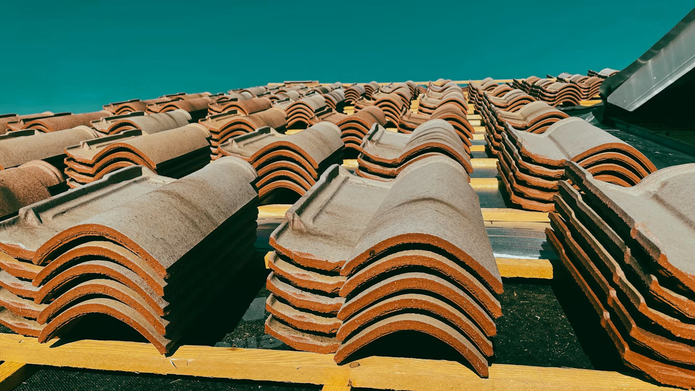

Property investors must evaluate structural degradation and lifecycle costs when deciding between targeted roof repairs and total replacement. Strategic capital planning protects your rental yields and preserves long-term property equity.
Managing a growing real estate portfolio forces you to make tough capital allocation choices every quarter. When a tenant calls about water dripping from a ceiling, you face an immediate strategic dilemma. Do you authorize a localized patch to control your short-term cash outlay, or do you invest in a complete overhaul to eliminate recurring liabilities?
Balancing near-term operating cash flow against long-term asset value determines the financial health of your rental properties. Viewing every roofing decision through a return-on-investment lens protects your balance sheet from compounding structural damage.
How Do You Assess Shingle Age and Surface Wear?
Walking a newly acquired property requires a meticulous look at roof planes. Standard asphalt shingles protect a residential property for 15 to 25 years under typical regional weather. As shingles approach the end of their operational lifespan, solar radiation dries out the asphalt backing, causing curling along the tab edges. Granule loss leaves bare patches exposed to seasonal rainfall, speeding up fiberglass deterioration.
You should examine the gutters and downspout splash blocks during your walk-through. Shingle granules collect in drainage channels long before leaks show up on your drywall. Finding heavy, coarse sediment indicates thinning shingles that can no longer deflect strong weather.
- Check drainage lines: Look for dense sediment accumulation inside gutters and downspouts.
- Inspect shingle edges: Scan for upward curling, cupping, or brittle tabs across south-facing slopes.
- Evaluate flashing points: Check chimney collars and valley metal for sealant cracks or rust spots.
Spotting Hidden Water Infiltration and Decking Decay
Attic walk-throughs reveal structural problems that ground-level inspections miss completely. Take a strong flashlight up beneath the roof deck after heavy rainfall. Look directly at the rafter bays, sheathing joints, and chimney flashings for dark discoloration. Soft spots in plywood sheathing indicate persistent moisture intrusion that compromises fastener grip.
Musty smells and damp insulation signal inadequate attic ventilation alongside recurring water penetration. Trapped humidity accelerates fungal rot in roof trusses, which weakens the entire overhead envelope. Catching these early moisture paths helps you fix localized underlayment flaws before dry rot destroys primary framing timbers.
How Do You Screen Regional Contractors for Portfolio Audits?
Selecting licensed regional contractors prevents inaccurate scoping and inflated material invoices. If your portfolio contains rental units across southern Pennsylvania, partnering with experienced roofers near Hanover gives you direct access to accurate structural assessments and reliable labor estimates. Skilled local teams understand how regional winter freezes and humid summers impact asphalt shingle durability. That regional familiarity prevents costly misdiagnoses when you evaluate moisture barriers and flashing integrity.
Request itemized repair estimates that clearly separate skilled labor costs from decking and shingle supplies. Reputable contractors inspect decking condition before quoting patch solutions, ensuring you receive honest projections. Maintaining long-term partnerships with trusted trade pros keeps your routine maintenance calls prompt and professional.
Weighing Minor Patch Bills Against Recurring Leaks
Quick patch work often feels like the easiest way to defend monthly rental cash flow. Fixing an isolated plumbing vent collar or replacing 20 blown-off shingles costs modest out-of-pocket money. Minor localized repairs make sound business sense when the underlying underlayment and surrounding shingles remain healthy.
Problems multiply when you patch an aging roof repeatedly across multiple quarters. Stacking $400 service calls across several seasons rapidly drains operating revenue without extending the system baseline longevity. Tracking patch frequency across your work-order logs reveals whether you are preserving asset value or merely delaying unavoidable capital replacements.
What Does a Full Roof Replacement Actually Cost?
Budgeting for complete roof overhauls requires realistic benchmarks based on market averages. Data compiled by Bob Vila indicates that replacing a residential roof typically ranges from $5,727 to $12,418, with owners spending an average of $9,072 across the country. Total expenditures fluctuate based on roof pitch, architectural complexity, dumpster fees, and underlying plywood tear-out requirements.
Full replacements require significant capital, but they reset your depreciation timeline and eliminate tenant disruption. New roof installations provide predictable structural stability for two full decades. Choosing full replacement relieves you from midnight leak calls and keeps your tenant retention numbers high.
How Does Capital Expense Planning Protect Net Operating Income?
Allocating reserves systematically protects your rental margins from sudden emergency bills. Setting aside $0.10 to $0.15 per square foot monthly into a dedicated replacement reserve guarantees adequate cash when installations come due. Sound reserves prevent you from tapping high-interest credit lines or drawing down emergency operating funds.
- Set capital reserves: Funnel modest monthly earnings directly into designated capital accounts.
- Track component age: Maintain digital maintenance records documenting installation dates for each building.
- Audit before storms: Schedule seasonal inspections before heavy winter snowstorms or summer hailstorms strike.
Tax depreciation rules offer significant relief for substantial property capital improvements. Writing off capitalized replacement expenses against rental income lowers annual tax obligations for real estate investors. Aligning these tax benefits with long-range property hold strategies keeps your balance sheet resilient.
Driving Property Valuation Through Major Exterior Renovations
Modern buyers and commercial lenders scrutinize structural envelopes closely during underwriting. Findings published by the National Association of Realtors identify new roof installations alongside fresh paint as leading exterior projects recommended by real estate professionals, reflecting strong buyer appetite for upgraded properties. Upgraded structures pass municipal code inspections seamlessly and secure favorable appraisal figures.
Fresh architectural shingles boost curb appeal instantly, attracting reliable tenants willing to sign multi-year leases. Potential buyers factor roof age directly into purchase offers. Completing an overdue replacement removes buyer leverage during escrow negotiations, allowing you to defend your target exit price.
How Do You Decide Between Repair and Replacement?
Making the final call comes down to simple arithmetic and clear lifecycle benchmarks. When an inspection reveals that damage covers less than 25% of the total surface area and the shingles have at least 8 years of life remaining, targeted repairs deliver sound financial returns. You save immediate cash while keeping the protective envelope intact.
Choose total replacement when multiple active leaks appear across disconnected ceiling zones or when shingles exceed 20 years of continuous service. Continued patching on deteriorated materials simply squanders capital that belongs in permanent equity improvements. Approaching roofing maintenance as an asset-building strategy preserves cash flow and builds portfolio wealth.
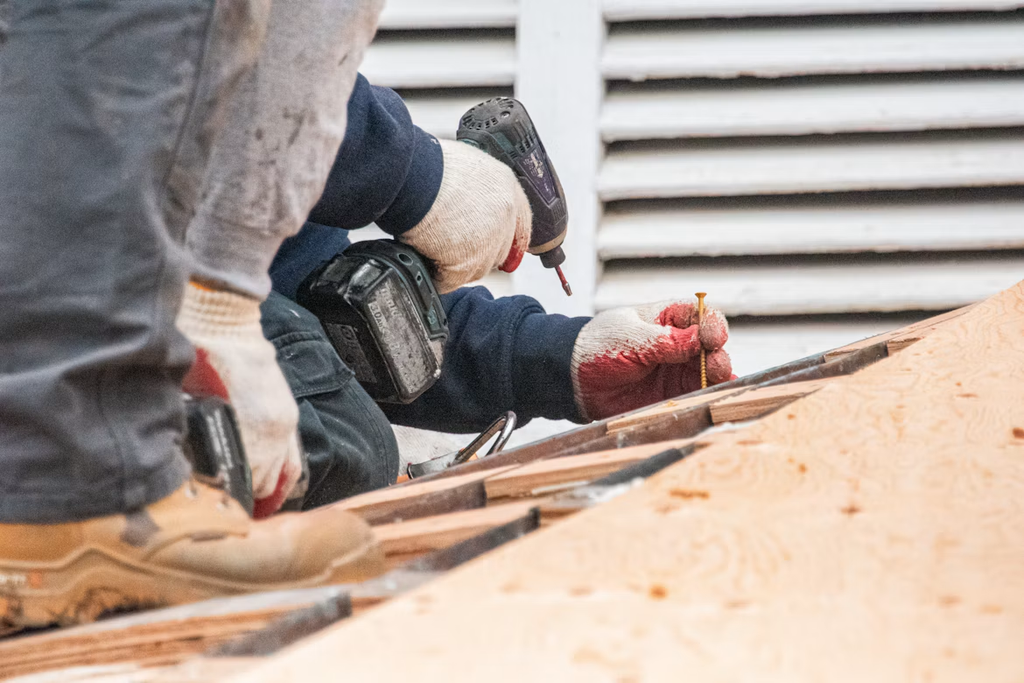
Mastering roof lifecycle management protects your investment portfolio against unexpected cash drains. Evaluating physical wear, structural integrity, and contractor bids gives you the clarity required for smart capital allocation. When you balance immediate repair outlays against full replacement value, you defend your operating cash flow and grow long-term equity across every property you own.