
Access to convenient drinking water is an important part of everyday life. Many households rely on bottled water because they prefer its taste or find it easier to carry. Others prefer filtering tap water at home to reduce the need for frequent bottle purchases. Both options have advantages, and the better choice depends on water quality, cost, convenience, and personal preferences.
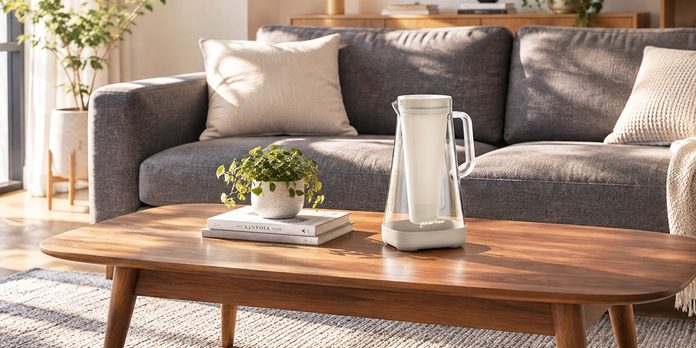
A water filter pitcher provides a reusable way to prepare drinking water at home without installing a permanent filtration system. For households exploring this approach, the glacier fresh water filter pitcher is one option to consider when comparing home filtration products with bottled water.
Understanding Water Filter Pitchers
A water filter pitcher is a container with a built-in filtration cartridge. Users fill its reservoir with tap water, allow the water to pass through the filter, and collect the filtered water in the lower section.
Many pitcher filters use activated carbon to help reduce chlorine-related tastes and odors. Other models include additional filtration materials designed to target selected substances. Their performance varies according to the filtration technology, cartridge capacity, and incoming water quality.
One advantage of pitcher filtration is its simplicity. Most products do not require plumbing changes, making them suitable for apartments, rented homes, student accommodation, and smaller kitchens.
However, not every pitcher removes the same contaminants. Anyone concerned about a specific substance should review independent testing or certification for the exact model before purchasing.
Understanding Bottled Drinking Water
Bottled water is available in many sizes, from small individual bottles to large containers intended for household dispensers. It can be convenient for travel, outdoor activities, workplaces, and situations where access to drinking water is limited.
Depending on the product, bottled water may come from a protected spring, a municipal source, or another source that has undergone treatment. Labels and applicable regulations help consumers understand what they are buying.
Nevertheless, bottled water is not automatically superior to properly treated tap water. Its quality depends on the source, treatment process, handling, packaging, and storage conditions.
People who prefer bottled water because of its taste should compare products carefully rather than assuming that every brand has identical characteristics.
Comparing Everyday Convenience
Both options can provide convenient drinking water, but their practical advantages differ.
A pitcher can be filled at home and stored in the refrigerator. Once a batch has been prepared, family members can pour water whenever they need it. This arrangement is particularly useful for people who drink water regularly throughout the day.
Bottled water requires less preparation because it is already packaged. Individual bottles are easy to carry in a bag, keep in a vehicle for short periods under appropriate conditions, or distribute at gatherings.
For home use, a reusable pitcher may reduce repeated shopping and bottle storage. For travel or outdoor activities, bottled water may be easier to transport when a safe refill source is unavailable.
The best option depends on how and where you use drinking water.
Comparing Costs Over Time
Cost is another important factor. Bottled water creates a recurring expense, particularly for households that purchase several bottles every day.
A pitcher usually involves an initial purchase followed by periodic replacement-filter costs. Depending on the model, a household may also need to replace the pitcher if it becomes damaged or reaches the end of its useful life.
To compare the options, estimate your monthly bottled water spending and compare it with the cost of a pitcher and its replacement cartridges over the same period.
For example, if your household purchases bottled water every week, calculate the expense over three or six months. Then estimate the number of cartridges needed during that period according to the manufacturer’s replacement schedule.
The glacier fresh water filter pitcher may be worth evaluating as part of this comparison, but actual savings depend on the selected model, cartridge prices, local water costs, and household consumption.
Taste and Drinking Preferences
Taste is often one of the main reasons people choose bottled water or a home filtration product.
Some people prefer the flavor of a particular bottled water brand, while others find that filtering their tap water improves its taste. Activated carbon filtration can reduce certain chlorine-related tastes and odors, depending on the cartridge and water conditions.
A pitcher also allows users to chill water before drinking it. This can be appealing during warm weather or after physical activity.
However, filtration does not necessarily remove every substance that affects taste. If water has a strong or unusual odor, a sudden change in flavor, or visible discoloration, investigate the cause instead of assuming a pitcher filter will resolve the issue.
Environmental Considerations
Single-use plastic bottles can contribute to household waste. When people replace some bottled water purchases with a reusable pitcher and refillable bottle, they may reduce the number of disposable bottles they use.
A pitcher is not entirely waste-free, however. Replacement cartridges and packaging also create waste, and the environmental impact depends on how frequently the product is used and how its components are disposed of.
Bottled water may still be useful in circumstances where carrying a reusable container is impractical or where a suitable refill source is unavailable.
Households can make a more sustainable choice by considering their actual consumption patterns, using reusable bottles where practical, and following appropriate disposal guidance for filtration cartridges.
Water Safety Should Come First
The most important consideration is whether the water is safe for its intended use.
Municipal tap water may be suitable for drinking, but water quality can vary. Private wells, older plumbing, and local contamination incidents may create additional concerns.
A pitcher filter should only be relied upon for contaminants that the specific model has been demonstrated to reduce. Taste, clarity, and odor cannot reliably establish whether water is safe.
If a water test identifies lead, microorganisms, or another contaminant, select a treatment method specifically designed and verified for that concern. Follow local public health advice when a water supply is subject to a safety warning.
Bottled water should also be obtained from a reputable source and stored according to its labeling.
Which Option Suits Your Lifestyle?
A water filter pitcher may suit people who primarily need drinking water at home, have access to an appropriate tap water source, and want to reduce repeated bottled water purchases.
Bottled water may be more convenient for travel, outdoor events, emergency supplies, or situations where home filtration is not available.
Some households may benefit from using both options for different purposes. They can use a pitcher at home and carry reusable bottles when leaving the house, while keeping commercially packaged water available when appropriate.
Before choosing a filtration product, compare capacity, replacement-filter availability, maintenance requirements, and documented performance.
Conclusion
Water filter pitchers and bottled water each offer practical benefits. Bottled water is convenient for transport, while a reusable pitcher can provide an accessible supply of filtered water at home and potentially reduce recurring bottle purchases.
The glacier fresh water filter pitcher is one option to compare when evaluating home filtration products. By reviewing its specifications, understanding its limitations, and considering the cost of replacement cartridges, consumers can decide whether it fits their household needs.
Ultimately, the best choice is one that combines convenience, affordability, and suitable water quality while supporting safe drinking water habits.