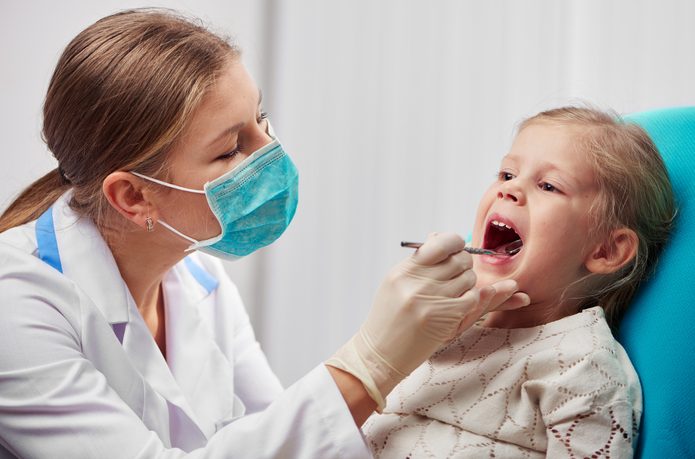

For many Denver area parents, the first dental visit feels like a big unknown. What happens during the exam? Will your child sit still? Which preventive treatments actually matter at different ages? A well-run child-focused office is built around short attention spans, small mouths, and big feelings. Understanding the flow of a visit, the tools you may see, and the choices you will be asked to make helps you prepare your child and get the most value from each appointment.
If you are comparing clinics near the city, watch for clear explanations, consistent “tell, show, do” language, and simple demonstrations with a toothbrush and mirror. Practices such as Kids Smiles Dentistry near Denver typically welcome questions about fluoride varnish, sealants, and when X-rays are appropriate. Observing how a team introduces new sensations, like prophy paste or the air and water tip, can be as important as the treatments themselves.
- When to Schedule and How to Time the First Appointment
Most families are encouraged to book the first checkup by the first tooth or the first birthday. Early visits focus on cavity risk, feeding and brushing coaching, and a quick look at how the gums and teeth are developing. For toddlers, morning slots often work best; attention and patience tend to fade after lunch. Plan around naps, and bring a favorite comfort item. Because Denver’s dry climate can leave kids thirsty, pack water in an open or straw cup to support saliva flow, which naturally protects enamel.
Avoid giving snacks right before the appointment. Sticky foods can coat grooves on molars and hide plaque that the dental team needs to see, and eating immediately before fluoride varnish may reduce how well it clings to the teeth. A light meal an hour or more before the visit usually works well. Jot down habits your provider should know about, such as thumb sucking, pacifier use, or frequent night feeds, so that they can tailor guidance to your child.
- What Actually Happens in a Toddler Exam
Many first visits use a knee-to-knee position: your child sits on your lap facing you, then leans back so the dentist can gently check with a mirror and count teeth together. You might see a quick toothbrush cleaning with a small smear of paste and a brief look at the bite, gums, and frenulum under the tongue and lip. A pediatric dentist (GENERAL DENTISTRY) will often review eruption charts, point out where canines and molars are coming in, and talk through pacifier or bottle weaning strategies.
Expect coaching you can use the same day. Teams often model a knee-to-knee brushing hold for home, suggest switching from a sippy cup to an open cup, and explain why brushing the back molars first can help before a toddler’s patience runs out. If appropriate, a thin coat of fluoride varnish may be painted on in seconds. It sticks to tooth surfaces, including the pits and fissures of baby molars, and strengthens enamel between visits.
- Preventive Treatments Explained: Fluoride, Sealants, and X-rays
Fluoride varnish is a quick-drying film that supports enamel remineralization. Frequency is based on risk. Kids who snack often, have tight spacing between teeth, or show visible demineralization may benefit from more frequent applications. Pit and fissure sealants are a liquid resin placed on the chewing surfaces of permanent first molars, usually around age six. The tradeoff is a few extra minutes in the chair to clean, dry, place, and cure the material in exchange for a barrier that blocks food and bacteria from settling into deep grooves.
X-rays help find cavities that eyes cannot see, especially between back teeth where flossing is hard. Bitewing X-rays use very low doses and are taken only when needed. The team may use a thyroid collar and digital sensors to minimize exposure. The decision balances a child’s cavity risk against the value of early detection that can avoid larger treatments later. In some cases, silver diamine fluoride is an option for early lesions. It can arrest decay without drilling, but it stains treated spots dark, which is a clear aesthetic tradeoff your provider will discuss.
- At-Home Prep That Calms Nerves on Appointment Day
Short, playful practice works. Role-play a visit with a toy mirror and a timer set for 10 seconds, letting your child open wide while you “count teeth.” Read a picture book about the dentist and use the same neutral words the team uses: show, tickle, polish. Avoid saying “it won’t hurt,” which can introduce worry. Instead, describe what the toothbrush does and how the air feels. A pediatric dentistry (GENERAL DENTISTRY) team will mirror this language so your child hears the same simple cues from you and the provider.
Brush together twice a day. Use a smear of fluoride toothpaste the size of a grain of rice for kids under three and a pea-sized amount for ages three to six. Practice spitting in the sink. On appointment day, skip sticky car snacks like gummies, which can lodge in grooves and make cleaning harder. Bring a small blanket or stuffed animal and headphones if your child relaxes with music. For school-age kids, remind them they can raise a hand to pause at any time. This simple signal gives them control and reduces fidgeting.
After the Visit: Daily Habits and the Next Milestones
After fluoride varnish, offer soft, cool foods for a few hours and resume brushing that evening. If we placed sealants, avoid hard or sticky candies for the rest of the day to protect the edges while they fully set. Build a routine of water between meals, reserving juice for mealtimes so teeth are not bathed in sugar for long stretches. Floss picks can help reach tight contacts between baby molars, where early cavities often start.
Looking ahead, first permanent molars erupt behind the last baby molars around age six; this is a key checkpoint for sealants. Active kids in sports should wear a mouthguard to prevent chipped incisors. Most families return every six months, though some children benefit from shorter intervals based on cavity risk. If questions stack up between visits, call your practice for quick advice about teething pain, a lip tie evaluation, or a chipped tooth from the playground. Consistent, calm visits paired with simple habits at home set your child up for healthy, confident smiles.
<iframe src=”https://www.google.com/maps/embed?pb=!1m18!1m12!1m3!1d3070.4756281505393!2d-105.0253988!3d39.6840087!2m3!1f0!2f0!3f0!3m2!1i1024!2i768!4f13.1!3m3!1m2!1s0x876c7f01155da54f%3A0xe708d1b1cca81473!2sKids%20Smiles%20Dentistry!5e0!3m2!1sen!2sno!4v1790801852284!5m2!1sen!2sno” width=”600″ height=”450″ style=”border:0;” allowfullscreen=”” loading=”lazy” referrerpolicy=”strict-origin-when-cross-origin”></iframe>