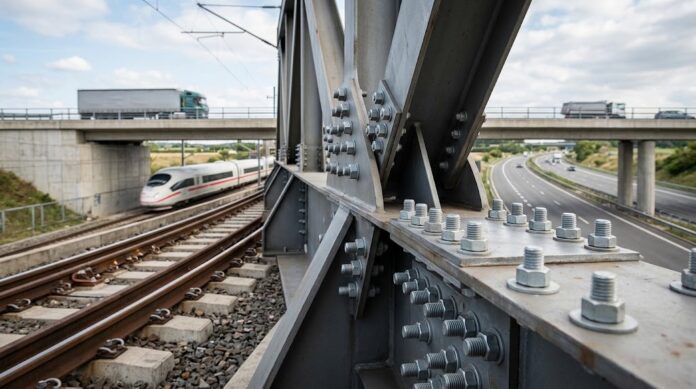

In the field of transport engineering, the integrity and reliability of fastening components are critical. High-quality fasteners play a pivotal role in ensuring the safety and durability of transport infrastructure and vehicles. The proper selection and application of fasteners can greatly influence the overall performance and lifespan of engineering projects related to transportation.
Importance of Fasteners in Transport Engineering
Transport engineering involves the design, construction, and maintenance of systems such as roads, bridges, railways, and vehicles. Each of these structures demands robust connections to withstand dynamic loads, vibrations, and environmental stresses. High-quality fasteners are indispensable in creating secure joints that resist loosening, corrosion, and fatigue.
Types of Fastening Products Used
Various types of fastening products are utilized in transport engineering, including bolts, nuts, washers, screws, rivets, and anchors. Selecting the appropriate fastener depends on the specific application requirements, materials involved, mechanical stresses, and environmental conditions. For instance, stainless steel fasteners are preferred in situations requiring corrosion resistance.
Bolts and Nuts
Bolts and nuts are common components for joining structural elements. Their design must comply with engineering standards that dictate dimensions, thread patterns, and strength grades. These components must be supplied by a reputable fastener supplier Australia to ensure quality and consistency.
Screws and Rivets
Screws and rivets are also frequently used for fastening in transport systems. Screws allow for easy assembly and disassembly, making them ideal for maintenance purposes. Rivets provide permanent fastening solutions and are essential in applications requiring high shear strength.
Material Considerations
The materials used in fasteners significantly impact their performance. Fasteners made from alloy steels are known for high tensile strength, while those made from stainless steel provide excellent corrosion resistance. Engineers must factor in exposure to moisture, chemicals, temperature fluctuations, and mechanical load cycles when selecting fastener materials.
Standards and Compliance
Adherence to national and international standards is crucial in transport engineering. Fastening products must comply with standards such as ISO, ASME, and ASTM, which specify parameters for strength, durability, and manufacturing processes. Compliance ensures reliability and safety over the service life of structures and vehicles.
Impact on Safety and Performance
Fastening failures can lead to catastrophic consequences including structural collapse or vehicle malfunction. Conversely, the use of high-quality fasteners contributes to enhanced safety, improved performance, and reduced maintenance costs. Regular inspection and maintenance of fasteners are also necessary to prevent deterioration and failure.
Supply Chain and Procurement
Choosing a trusted supplier is critical. A well-established fastener supplier Australia offers products tested for quality and consistency, ensuring that all components meet project specifications. Reliable supply chains reduce downtime and support timely project completion.
Technological Advances
Advancements in manufacturing technologies, such as precision machining and surface treatments, have improved the quality and performance of fastening products. Innovations include coatings to resist corrosion and wear, and designs that enable better load distribution and vibration resistance.
Environmental Factors
Transport infrastructure often faces varied environmental challenges, including exposure to saltwater, extreme temperatures, and mechanical wear. High-quality fasteners designed with these factors in mind extend the longevity of transport structures and vehicles.
Case Studies in Transport Engineering
Examples of successful applications of high-quality fasteners can be observed in bridge construction, where fasteners secure structural steel elements, and in railway systems where they maintain track stability. These case studies underscore the necessity of selecting and applying the right fastening products for specific engineering challenges.
Conclusion
Fastening products form the backbone of transport engineering projects. Their quality and appropriateness determine the safety, efficiency, and durability of transport systems. Engineers and procurement specialists must prioritise high-quality fasteners and reliable suppliers when undertaking transport engineering endeavours.