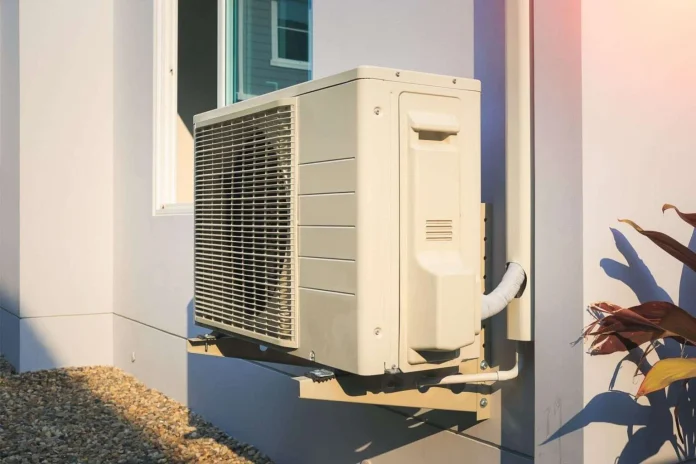

Along Alabama’s Gulf Coast, summer comfort is about more than lowering the thermostat. Foley homeowners face long cooling seasons and persistent humidity, so an air conditioner can hit the setpoint yet still leave rooms sticky, musty, and uncomfortable. That mismatch wastes energy and can encourage condensation on supply registers, swelling wood trim, and mildew in closets. A humidity-first approach to residential HVAC helps avoid those outcomes. By sizing equipment for both sensible and latent load, choosing features that extend low-speed run time, tightening ducts, and maintaining the parts that actually remove moisture, you get drier, steadier indoor air without overcooling the house.
- How Humidity Changes What “Right Sized” Means in Coastal Alabama
In humid climates, a correctly sized system isn’t only about tons of cooling; it is about how long the system can run at a lower fan speed to wring moisture off the evaporator coil—oversized units short-cycle, which drops temperature quickly but barely dehumidifies. Right sizing starts with a Manual J load calculation that includes infiltration, window gains, and occupancy. Homeowners often consult companies such as AirMax Heating and cooling services when they need professional load measurements, duct assessments, and help choosing staging or variable-speed equipment that lengthens cycles and boosts moisture removal.
Consider a one-story home that replaced a dependable 3-ton heat pump with a 4-ton unit to “fix” a warm back bedroom. The larger unit cools the hallway in minutes, then shuts off before the coil can condense much water. The bedroom stays muggy, and the owner lowers the thermostat several degrees just to feel dry. A better route is proper sizing plus a Manual D duct design to rebalance supply and return airflow to that bedroom. Variable-speed air handlers, when dialed in, can extend runtime at low speed, improving latent capacity without oversizing.
- Signs Your AC Is Dropping Temperature but Missing Moisture
Clammy rooms at a normal setpoint are the classic clue. Other signals include condensation beading on metal supply grilles, a musty odor near closets or under sinks, and foggy window panes in the evening. A hygrometer reading above about 60 percent relative humidity indoors suggests latent control is lagging. Running the blower in ON instead of AUTO can make it worse by re-evaporating water from the coil between cycles. Likewise, very short cycles point to excessive capacity or a thermostat located too close to a cool draft.
Here is a common scenario: a homeowner bumps the setpoint down three degrees to fight mugginess. The space gets colder, but surfaces still feel damp,p and the AC starts to struggle with icing because of low airflow and long, cold coil time. The fix is not a deeper setback. It is extending dehumidification time with lower blower speed during cooling, improving return-air pathways from closed rooms, and sealing leaky ducts that pull attic air into the system.
- Equipment and Duct Choices That Favor Moisture Removal
Two-stage and variable-speed heat pumps, paired with ECM blowers, perform well for latent loads because they spend more time at low capacity. A thermostat with dehumidify-on-demand can drop fan speed during cooling calls to keep air across the evaporator coil longer. In homes with persistent moisture loads, a whole-home dehumidifier connected to the return plenum can maintain target humidity even when outdoor temperatures are mild, and the AC does not run much. The tradeoff is extra electrical use and a small heat gain; in many cases, shorter AC runtimes and fewer moisture complaints offset it.
Ductwork matters just as much as the outdoor unit. Leaky return ducts or panned returns can pull humid attic or crawlspace air into the system, overwhelming the coil. Sealing with mastic, installing proper return grilles in closed rooms, and adding balancing dampers help keep static pressure in range and distribute dry air evenly. Be mindful of filtration: high MERV filters capture finer particles, but if the filter area is too small, they restrict airflow and can reduce latent performance. When upgrading to a higher MERV rating, increase filter surface area or use a media cabinet designed for lower pressure drop.
- Ventilation That Adds Fresh Air Without Importing Gulf Moisture
Fresh air is essential for indoor air quality, but in a humid region, unconditioned outdoor air brings a heavy latent load. An energy recovery ventilator (ERV) is often preferred over a heat recovery ventilator (HRV) in these conditions because the ERV’s membrane transfers some incoming moisture to the exhaust stream. Right-sizing ventilation rates and coordinating ERV operation with cooling cycles helps avoid indoor humidity spikes while improving indoor air quality in tightly sealed homes.
Spot ventilation also reduces indoor moisture at the source. A properly ducted range hood and bathroom exhaust fans on timers can remove moisture before it diffuses through the house. Keep building leakage under control so you don’t accidentally ventilate with attic or garage air. Sealing can lights, weatherstripping the attic hatch, and gasketing duct boots prevent pressure imbalances that draw in damp air through cracks every time the air handler starts.
Seasonal Care That Keeps Systems Drying Properly
Moisture control depends on clean heat transfer surfaces and a dependable drain path. Replace or wash filters on schedule so the blower maintains the airflow needed for both sensible and latent performance. Rinse outdoor condenser fins to remove salt spray and yard debris that raise head pressure and reduce capacity. Inside, a dirty evaporator coil or blower wheel shortens effective run time by cutting airflow; periodic cleaning restores drying performance. Flush the condensate drain line to prevent algae clogs, and test the float switch so it can shut the system down before a ceiling stain shows a problem.
Schedule a shoulder-season check before the first long hot spell. A technician can verify refrigerant charge using superheat and subcooling, confirm fan speeds, inspect duct insulation on the suction line to prevent sweating, and calibrate a thermostat’s humidity functions. If rooms go negative when doors are closed, adding jump ducts or undercutting doors can relieve pressure and let returns pull moist air back to the coil. These small adjustments help the system run longer at lower speed, which is exactly what removes moisture efficiently.
Comfort across a Full summer comes from drying as much as cooling. When equipment size, blower speed, and duct design are aligned around humidity control, the thermostat setpoint becomes only part of the story. Homeowners who prioritize latent performance see fewer condensation issues, less mold risk, and steadier comfort without overcooling. Combine thoughtful equipment selection with sealed ducts, balanced ventilation, and routine care of the coil and condensate system, and your home will feel drier and cleaner through the muggiest stretches of the year.
<iframe src=”https://www.google.com/maps/embed?pb=!1m18!1m12!1m3!1d3325.247332167187!2d-87.68236320000001!3d30.386017999999996!2m3!1f0!2f0!3f0!3m2!1i1024!2i768!4f13.1!3m3!1m2!1s0x889a1b6cf07b56d7%3A0xe5ce2840d6c16961!2sAirMax!5e1!3m2!1sen!2sph!4v1790259405793!5m2!1sen!2sph” width=”600″ height=”450″ style=”border:0;” allowfullscreen=”” loading=”lazy” referrerpolicy=”strict-origin-when-cross-origin”></iframe>