
Everyday activities may become uncomfortable with back pain and muscle tension. Rigidity in the back after extended periods of work, tight muscles following exercise or recurrent soreness can have an impact on work, sleep and physical activity. If they persist, individuals may seek treatment that will make them feel more comfortable and allow them to move more freely.
Cupping therapy Scottsdale is a choice that many may want to try. Today, let’s learn what cupping therapy is, how it can help relieve back pain and muscle tension, and some things to keep in mind before you try it.
What Is Cupping Therapy?
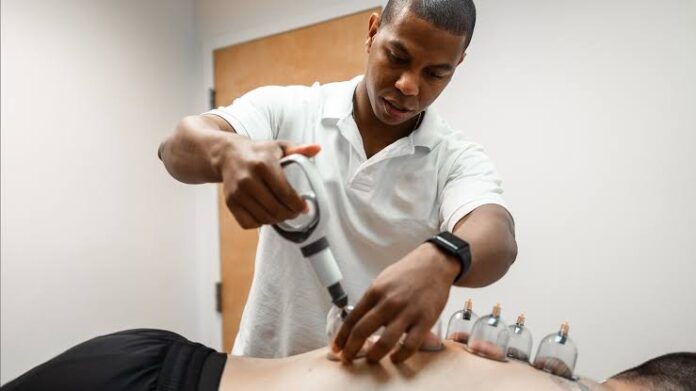
Cupping therapy is a technique in which cups are used to create suction on the skin. Different materials could be used for the cups, and different procedures can be adopted for different treatments.
The suction draws the skin and underlying tissues. Others report feeling a sense of pressure or tightness instead of actual pain. This is a technique which can be explained by a qualified professional who can make the determination if it is the right technique for the person.
Can Cupping Help With Back Pain?
There are numerous possible causes of back pain, such as muscle tension, physical strain, posture, previous injuries, and other conditions. If muscles are tight, cupping can be used as a part of an overall treatment strategy.
Cupping is sometimes used with the aim of promoting muscle relaxation and comfort. But some people may not see the results they want, and cupping isn’t a cure for all back pain.
What About Muscle Tension?
Muscle tension may result from repeated activity, exercise, extended sitting or physical stressors. If the muscles stay tight, actions may be less comfortable, and some activities may be harder.
Cupping can be applied to the areas with muscle tension. The suction may cause a certain sensation when the cups are applied to the skin. Some may see circles on the skin after treatment, and these will fade during the next few days.
Cupping and Workout Recovery
Recovery is a crucial aspect of being active. Recovery from physical activity is related to rest, hydration, nutrition, sleep, and training.
Many people use cupping as a component of a muscle recovery strategy for soreness or muscle tightness. It should be used in addition to healthy recovery practices, not in place of them. After exercise, if pain persists or worsens, a health care provider may be needed to identify if there is another problem.
What Happens During a Cupping Session?
A session typically starts with a conversation regarding the person’s symptoms, level of activity and treatment objectives. The provider is then able to determine where cupping might be suitable.
While in treatment, cups are applied over specific skin areas and suction is applied. It can be suctioned to a desired degree and may last for varying durations. Then, there may be redness or skin that will leave temporary circular marks.
Looking for Cupping Therapy Near You?
Individuals looking for cupping therapy near me can discover varying practitioners and methods. Questions to ask before scheduling a session include “Who is going to perform the treatment” and “What type of cupping is being provided”, and how it would fit into an individual’s care plan.
A qualified professional will be able to provide further information on potential side effects and if cupping is suitable for the person concerned, depending on their health history.
When Should You Seek Professional Care?
Cupping can be used for muscle tension and some forms of discomfort, but if the pain is ongoing or intense, it does not just need to be treated. If you experience a lot of discomfort and weakness, numbness or other symptoms that are concerning, you should seek medical attention to check for back pain.
A muscle tension evaluation may be useful in deciding if the primary target is the muscle tension or if a different condition is the target.
Final Thoughts
Cupping therapy may be an option for people dealing with muscle tension, back discomfort, or soreness related to physical activity. However, it works best when considered as part of an overall approach to health and recovery.
Disclaimer: This article is for informational purposes only and is not intended as medical advice. Please consult a qualified healthcare professional before starting any treatment or wellness program.