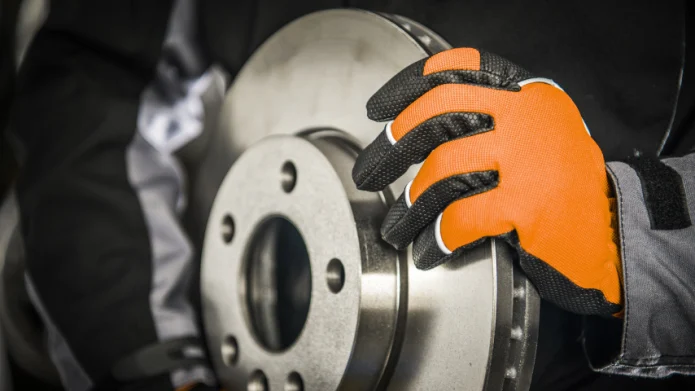

Brakes usually warn you before they fail. The trick is translating those warnings. A sharp squeal at low speeds, a steering wheel that shakes during highway stops, or a pedal that sinks farther than usual each point to a different part of the system. Pads, rotors, calipers, brake fluid, hoses, and ABS sensors all have distinct failure patterns. Acting on the first sign often prevents rotor damage, overheated fluid, or extended stopping distances. This article decodes the most common brake symptoms, explains their likely causes, and outlines what to check or request at a shop so you can make safe, informed decisions.
- Squeals, Chirps, and Grinding: What Noise Tells You
A light, metallic chirp that starts at parking-lot speeds often comes from a pad wear indicator grazing the rotor. That tab is designed to make noise when friction material is thin. A higher-pitched squeal just after a rainstorm may be surface rust, which usually clears after a few stops. If the noise only appears when braking lightly in reverse, glazed pads or dry hardware clips may be to blame. Grinding, however, is not a wait-and-see sound. It usually means the pad backing plate is contacting the rotor, shaving deep grooves and lengthening stopping distance. Continuing to drive in that state can overheat the caliper and damage the wheel bearing.
Drivers who want a quick primer on what a professional inspection covers can compare their symptoms with a brake checklist on a local shop page such as Solano Way Auto Repair. Use those points to prioritize: new noises with longer stopping distances deserve the first slot on your calendar.
- Brake Pulsation and Steering Wheel Shake
That rhythmic shake you feel through the pedal or steering wheel during moderate to hard stops is typically rotor thickness variation, sometimes called warp. Heat spots from repeated hard stops can create uneven pad deposits that behave like high and low spots on the rotor face. Sticking caliper slide pins or a seized piston can amplify the effect on one corner, making the car feel unstable. A common mistake is blaming wheel balance, which you feel at cruising speeds without braking. Pulsation that appears only when you apply the pedal points back to the braking surfaces.
Ask a shop to measure rotor runout and thickness rather than assuming resurfacing will fix it. Light variation may be corrected by machining if the remaining thickness stays above the minimum cast into the rotor hat. Deep heat checking or undersized rotors call for replacement. Also request torque-to-spec reinstallation of the wheels. Over-tightening or unevenly tightening lug nuts can distort rotors and bring pulsation back even after new parts are installed.
- Soft Pedal, Longer Stops, and Brake Fade
A pedal that feels spongy or sinks at a stoplight usually indicates air in the hydraulic lines, moisture-contaminated fluid, or an internal master cylinder leak. Brake fluid is hygroscopic, which means it gradually absorbs water. Enough moisture lowers the boiling point; on a long downhill or repeated hard stops, the fluid can boil and create compressible vapor. That brake fade feels like a lengthening pedal with less bite, even when you press harder. Rubber hoses that are collapsing internally can also cause a soft or delayed response.
Two scenarios highlight the difference. On a mountain descent, you notice the pedal growing long and the brakes smelling hot: downshift, use engine braking, and pull over to cool the system before continuing. In city traffic, the pedal slowly sinks at a red light even without extra heat: do not drive farther than necessary, as the master cylinder or a line could be failing. Check the fluid level and color in a clean environment, but resist the urge to top it off unquestioningly. Low fluid can indicate worn pads or a leak. Use only the fluid grade on your cap or in your owner’s manual to avoid compatibility issues.
- Pulling, Drag, and Burning Smells
If the vehicle darts to one side when braking, suspect an unevenly working caliper, contaminated pads, or a collapsed hose that restricts pressure return. A car that feels like it is fighting you at low speeds, or rolls poorly in neutral, may have a dragging brake. After a short drive, a cautious hand held near each wheel (without touching) can reveal one corner radiating far more heat. That is a red flag for a seized piston or stuck slide pin. You may also catch a sharp, acrid odor and see fine black dust on one rim.
Pull over before heat builds enough to discolor a rotor or ignite nearby material. A shop can free or replace a caliper, clean and lubricate slide pins with high-temperature brake grease, and replace any glazed pads. If a hose has collapsed internally, replacing it and flushing the circuit will restore even pressure. Continuing to drive with drag can cook the grease in a wheel bearing and lead to more expensive repairs.
Smart Next Steps: Checks, Trade-offs, and Prevention
Before your appointment, note when symptoms happen: speed, pedal pressure, steering angle, and any dashboard lights. A photo of pad thickness through the caliper window and the brake fluid’s color in the reservoir can help a technician confirm your description. Ask for the hardware to be inspected, not just pads and rotors. Weak springs and worn abutment clips can cause noise and uneven wear even with new friction material.
Expect a few trade-offs. Resurfacing rotors may save money if they are thick and heat-crack-free, but new rotors are usually the better choice when pulsation returns quickly, or the surface is deeply marred. Ceramic pads shed less dust and tend to be quieter, while semi-metallic pads often provide stronger initial bite and better heat tolerance. Your driving mix should guide that choice. After service, follow the bedding-in instructions to transfer pad material evenly to the rotors. Avoid resting on the brake pedal after a hard stop while stationary, which can imprint the pads and create future pulsation. Finally, replace fluid at intervals recommended by the vehicle maker; fresh, dry fluid resists fade and preserves ABS components. Keeping a simple record of mileage, pad thickness, and fluid changes turns brake care into maintenance rather than crisis response.
<iframe src=”https://www.google.com/maps/embed?pb=!1m18!1m12!1m3!1d3381.930407151815!2d-122.0414485!3d37.9897694!2m3!1f0!2f0!3f0!3m2!1i1024!2i768!4f13.1!3m3!1m2!1s0x808566e3adc349b1%3A0x6dd0bfc3874b3e75!2sSolano%20Way%20Auto%20Repair!5e1!3m2!1sen!2s!4v1789066574484!5m2!1sen!2s” width=”600″ height=”450″ style=”border:0;” allowfullscreen=”” loading=”lazy” referrerpolicy=”strict-origin-when-cross-origin”></iframe>