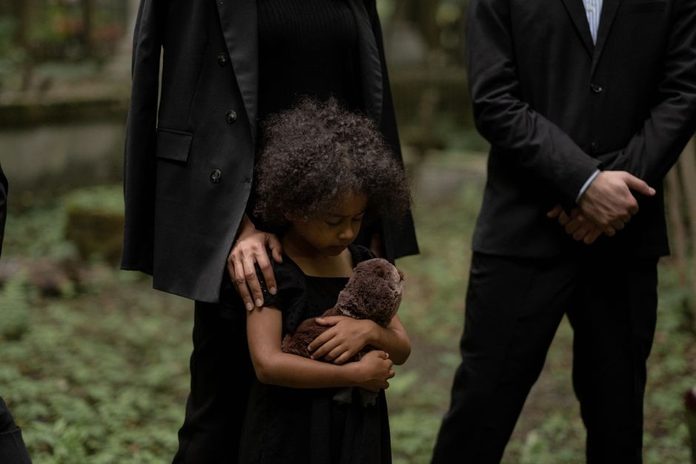

Adults often expect grief to look like sadness. In children, it may look like a stomachache before school, an angry outburst over something small, sudden clinginess, trouble sleeping, or a return to behaviors they had outgrown. A child can cry intensely and then ask to play ten minutes later.
That is why supporting a grieving child requires more than waiting for the “right” conversation. Children understand death differently as they develop, and many communicate distress through behavior before they can describe it in words. Child grief counseling can help families understand those signals while giving children safer, developmentally appropriate ways to process what has changed.
Match the Method to the Child’s Development
A preschooler and a teenager may experience the same family death but understand it in very different ways. Younger children can struggle with the permanence of death and may repeatedly ask when someone is returning. Older children are more capable of understanding finality, yet they may wrestle with guilt, fear about losing other people, anger, or questions about meaning.
Counseling therefore should not simply reproduce adult talk therapy in a smaller chair. Depending on age and needs, therapists may use play, drawing, storytelling, memory projects, caregiver involvement, or cognitive and behavioral strategies. Lumera Healthcare uses age-appropriate grief methods, reflecting the broader principle that the way a child processes loss should influence how support is delivered.
Learn to Read Behavior as Communication
Children do not always announce, “I am struggling with grief.” Their behavior may communicate it instead. A previously independent child might suddenly refuse to sleep alone. Another may become irritable, lose interest in activities, struggle to concentrate, or complain repeatedly about physical discomfort.
One unusual day is not necessarily alarming. Grief can fluctuate, and children often move in and out of intense emotion. What matters is the pattern: how persistent the change is, whether it is worsening, and whether it interferes with school, friendships, sleep, family life, or ordinary functioning.
Use Clear Words When Talking About Death
Adults sometimes soften language because they want to protect children. Phrases such as “went to sleep” or “went away,” however, can be confusing when taken literally. A young child may begin fearing bedtime or expecting the person to return.
Simple, concrete language is generally easier to understand. Explanations should fit the child’s age and the circumstances, without providing unnecessary details that could overwhelm them.
Expect questions to return. Children often revisit the same question because their understanding is still developing, not because the first answer failed. As they grow, they may reinterpret an old loss through a new developmental lens.
Give Grief Somewhere to Go
Talking is only one form of expression. Some children communicate more comfortably while drawing, playing, building, writing, listening to music, or making something connected to the person who died.
A memory box can hold photographs, letters, ticket stubs, recipes, or small objects associated with that person. A child might draw a favorite memory, write down questions, create a scrapbook, or participate in a family ritual.
The purpose is to create several doors into grief so that verbal conversation is not the only acceptable way to enter.
Keep Ordinary Life Predictable
Loss can make a child’s world feel suddenly unreliable. Maintaining familiar routines can restore some predictability without pretending nothing happened.
Regular meals, school attendance when appropriate, bedtime rituals, activities, and household expectations provide structure. Children can still have flexibility on particularly difficult days, but abandoning every routine indefinitely may remove sources of security they need.
The objective is not immediate normality. It is giving the child enough stability to grieve without feeling that every part of life has disappeared at once.
Expect Grief to Reappear at Milestones
Childhood grief is not necessarily completed after a certain number of months. A loss can take on new meaning as a child grows.
A child who lost a parent at five may understand that absence differently at ten, thirteen, or graduation. Birthdays, holidays, school events, anniversaries, and family traditions can also reactivate feelings.
Caregivers can anticipate some of these moments instead of being surprised by them. Ask whether the child wants to acknowledge an anniversary or important event and offer choices about how.
Know When Additional Support Makes Sense
Many children grieve with support from family, friends, schools, faith communities, and other trusted adults. Professional counseling may become especially useful when distress is persistent, intensifying, or significantly disrupting everyday life.
Warning signs can include sustained withdrawal, major changes in school functioning, persistent guilt or self-blame, severe sleep problems, escalating aggression, substance use, self-harm, or repeated statements about wanting to die.
Any statement suggesting suicide, self-harm, or a desire not to be alive deserves immediate attention. In an urgent safety situation, caregivers should contact local emergency or crisis services rather than waiting for a routine counseling appointment.
Support the Caregiver Without Making the Child Responsible
Adults may be grieving the same person, which makes child bereavement especially complicated. Parents do not need to hide every tear. Seeing an adult feel sadness and still continue with daily life can show a child that grief is survivable.
The boundary is that the child should not become responsible for stabilizing the adult. Statements that make a child feel they must “be strong” for a parent can add another burden to their own grief.
Helping a child grieve does not mean keeping them focused on loss constantly. Play, laughter, friendships, sports, celebrations, and ordinary pleasures can coexist with sadness.
Children may even worry that having fun means they are forgetting the person who died. Adults can reassure them that continuing to enjoy life does not erase love or memory.
Families can maintain connection in ways that feel natural: cooking a favorite meal, telling stories, keeping photographs visible, visiting a meaningful place, or developing a small tradition. The aim is not to freeze the family around the loss but to allow memory to become part of an ongoing life.
Child grief rarely follows a neat timetable. What helps is attentive support: noticing behavioral changes, using language children understand, preserving stability, creating different ways to express emotion, and seeking professional help when distress becomes difficult to manage.
The goal is not to teach a child how to stop missing someone. It is to help them discover that grief can be carried, understood, revisited, and gradually integrated into a life that still has room to grow.