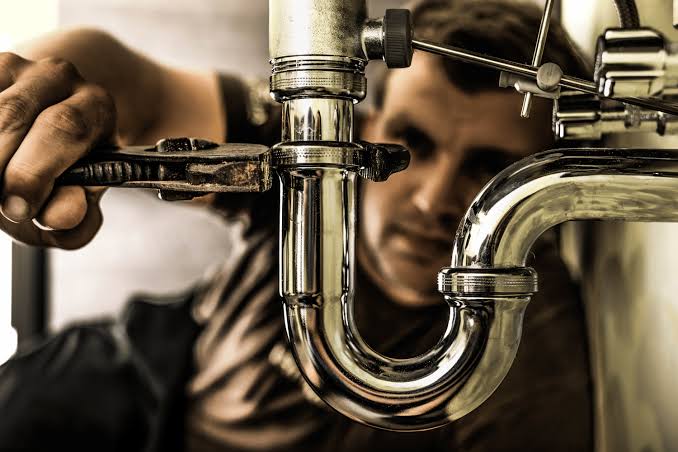

A home’s plumbing system works behind the scenes every day to provide clean water, remove wastewater, and supply hot water throughout the house. Because most plumbing components are hidden behind walls, underneath floors, or inside utility areas, homeowners may not think about them until something goes wrong.
Understanding the basic components of residential plumbing and recognizing early warning signs of trouble can help homeowners prevent minor issues from developing into expensive repairs. From water heaters and pipes to drains and fixtures, every part of the system plays an important role in keeping a home comfortable and functional.
The Importance of a Reliable Hot Water Supply
Hot water is essential for many everyday household activities. Families depend on it for showers, washing dishes, doing laundry, cleaning, and numerous other tasks. The water heater is responsible for providing that dependable supply.
Traditional tank water heaters store heated water until it is needed. Tankless water heaters operate differently by heating water as it passes through the system. Each type has advantages, and the right option depends on factors such as household size, hot water usage, available space, and the home’s existing plumbing.
Regardless of the type of system, regular maintenance can help support reliable operation and potentially extend the useful life of the equipment.
Recognizing Water Heater Warning Signs
Water heaters can sometimes provide warning signs before a major problem occurs. Homeowners may notice that hot water doesn’t last as long as it once did or that the water takes longer to reach the desired temperature.
Unusual noises can also indicate a potential issue. Popping, rumbling, or banging sounds from a traditional tank may be associated with sediment accumulation. Water around the bottom of the unit should also be investigated because it could indicate a leaking connection or a problem with the tank.
Rust-colored hot water, fluctuating temperatures, or unexpectedly high utility bills are additional reasons to have the system evaluated.
Homeowners who experience these problems can contact a plumbing professional offering Noblesville water heater services to inspect the equipment and determine the appropriate next step.
Don’t Ignore Small Plumbing Leaks
Not every plumbing problem involves the water heater. Small leaks throughout the home can also create significant problems when they remain unnoticed.
A dripping faucet might seem like a minor inconvenience, but persistent leaks waste water. Leaks underneath sinks or around toilets can be more concerning because moisture may eventually damage cabinets, flooring, drywall, or other building materials.
Homeowners should periodically inspect accessible plumbing areas for moisture, discoloration, corrosion, or unusual odors. An unexplained increase in the monthly water bill can also be an indication that water is escaping somewhere in the plumbing system.
Finding and repairing leaks early can help reduce water waste and prevent additional damage.
Keep Household Drains Flowing Properly
Drain problems are another common residential plumbing concern. Kitchen sinks can accumulate grease and food debris, while bathroom drains frequently collect soap residue, hair, and other materials.
A drain that begins emptying more slowly than normal should not necessarily be ignored. Gradual drainage can indicate that buildup is beginning to restrict the pipe.
Homeowners can reduce some drain problems by being careful about what goes down sinks and toilets. Cooking grease, wipes, paper towels, and other inappropriate materials should not be placed into the plumbing system.
Recurring clogs or problems affecting multiple drains may indicate an issue deeper within the home’s plumbing and should be professionally evaluated.
Water Pressure Can Reveal Plumbing Problems
Changes in water pressure can provide another clue about the condition of a plumbing system. If pressure suddenly decreases at one fixture, the problem could be relatively localized. However, reduced pressure throughout the entire home may indicate a larger plumbing concern.
Mineral deposits, deteriorating pipes, leaks, valves, and problems with the water supply can potentially affect pressure.
Excessively high water pressure can also be problematic. Although strong pressure might seem desirable, too much pressure can place unnecessary stress on fixtures, appliances, connections, and pipes.
A plumber can measure household water pressure and determine whether adjustments or additional investigation are necessary.
Preventive Plumbing Maintenance Makes a Difference
Homeowners don’t necessarily need to wait for a plumbing emergency before calling a professional. Periodic inspections can help identify aging components, corrosion, small leaks, drainage problems, and water heater concerns before they become more serious.
Preventive maintenance is particularly useful in older homes where portions of the plumbing system may have been operating for decades.
Homeowners should also know where the main water shutoff valve is located. If a significant leak or burst pipe occurs, quickly shutting off the water can dramatically reduce potential damage.
Protecting Your Home’s Plumbing
A dependable plumbing system contributes significantly to the comfort and convenience of a home. Paying attention to changes in hot water, drainage, water pressure, fixtures, and pipes can help homeowners identify potential problems early.
Routine maintenance combined with timely professional repairs can help keep plumbing equipment operating efficiently while reducing the likelihood of unexpected emergencies. A proactive approach can ultimately protect the home, conserve water, and keep essential plumbing systems functioning properly for years to come.