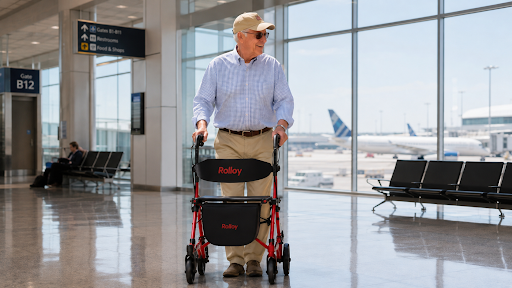

Choosing a rollator is not only about finding a model with wheels and a seat. The right rollator should fit the user’s body, daily routine, walking environment, strength, and safety needs. A model that works well for outdoor walks may feel too wide indoors, while a very lightweight model may not provide enough comfort or support for longer outings.
This simple buyer’s checklist explains what to check before choosing a rollator, including fit, handle height, seat size, weight capacity, folding, wheels, brakes, and daily handling.
Is a Rollator Right for Your Needs?
A rollator is best for users who can walk independently but need extra support, smoother movement, and a place to rest. It is not the right choice for every situation, especially if the user needs strong weight-bearing support or has serious balance problems. Before choosing a rollator walker, users should think about their balance, walking distance, brake control, and daily environment.
When a Rollator Makes Sense
A rollator can make sense when the user can walk on their own but gets tired, needs support on longer routes, or wants a seat for rest breaks. It can be useful for errands, walks, appointments, travel, and moving through larger indoor spaces. A rollator may also reduce the need to lift and reposition the frame with every step when a standard walker feels too slow or tiring. MedlinePlus notes that walkers may come with brakes, a basket, and a sitting bench, which are features many users consider when choosing a mobility aid.
When Another Walker May Be Safer
A rollator may not be the safest choice for users who need to lean heavily on a mobility aid, have poor balance, or cannot control wheels and brakes reliably. A standard walker or 2-wheel walker may provide slower, more controlled movement for some users. This is especially important indoors, after surgery, or when the user needs more stable step-by-step support. When safety is unclear, the user should ask a doctor, physical therapist, or mobility specialist before buying.
Start With How You Will Use It
The best rollator depends on the user’s real routine. Before looking at product features, think about where the rollator will be used most often and what problems it needs to solve.
Indoor, Outdoor, or Both
Indoor users should focus on overall width, turning space, handle height, and whether the rollator can move through doorways, hallways, bedrooms, bathrooms, and kitchens. Outdoor users may care more about wheel size, frame stability, brakes, and comfort over sidewalks or uneven paths. Many people need both indoor and outdoor use, so the best option is usually a balance between compact size and stable movement. Do not choose a wide outdoor model without checking whether it works inside the home.
Daily Errands, Travel, or Longer Walks
A user who mainly walks around the house may need a different rollator than someone who goes shopping, visits doctors, travels, or takes longer outdoor walks. For errands and appointments, folding size and car transport may matter. For longer walks, a seat, backrest, brakes, and storage can become more important. For travel, the user or caregiver should be able to fold, lift, and store the rollator without difficulty.
Check the Fit Before You Buy
Fit affects comfort, posture, safety, and daily control. A rollator that is too tall, too low, too wide, or uncomfortable to sit on can cause frustration even if the product looks good online.
Handle Height
Handle height affects posture and control. If the handles are too low, the user may bend forward and strain the back or shoulders. If the handles are too high, the arms may feel tense and steering can become awkward. Look for adjustable handles and compare the handle height range with the user’s body height or wrist-to-floor measurement.
Seat Size and Seat Height
The seat should be wide enough for comfortable short rests and high enough for the user to sit down and stand up safely. A seat that is too low can make standing harder, while a seat that is too narrow may feel uncomfortable during breaks. Seat height is especially important for users with knee, hip, or balance concerns. Before buying, compare seat width, seat height, and listed weight capacity instead of assuming all rollator seats feel the same.
Overall Width and Folded Size
Overall width matters when the rollator is open and being used. Folded size matters when it needs to be stored in a closet, car trunk, hallway, or travel space. A compact rollator can be easier to manage in smaller homes and during outings, but it still needs to feel stable during use. For users comparing a compact 4 wheeled walker, the Compact Master II Rollator Walker with Seat lists a 16-lb frame, 8-inch wheels, 8-level height adjustment, and a compact folded design, making it one option to review for lighter travel-friendly use.
Compare Support, Weight, and Portability
Support and portability often pull in different directions. A rollator should be light enough to handle but strong enough to support the user’s daily needs.
Frame Weight
Frame weight affects lifting, folding, travel, storage, and caregiver handling. A lighter rollator may be easier to place in a car trunk or move around the home. However, the lightest option is not always the most practical if it gives up useful features such as a seat, backrest, larger wheels, or stable brakes. Choose a frame weight that the user or caregiver can manage safely during real daily use.
Weight Capacity
Weight capacity should safely cover the user’s body weight and normal personal items. Do not choose a rollator close to its limit if the user will carry bags, use the seat often, or needs extra stability. Heavy-duty models may offer higher capacity or wider seating, but they can also be heavier and wider. The goal is not to buy the highest-capacity model automatically, but to choose one that matches the user’s size, comfort, and walking environment.
Ease of Folding and Daily Handling
A rollator should be easy to fold, unfold, lift, and store. If folding takes too much effort, the user may avoid taking it outside or may depend too much on others. Daily handling includes more than folding; it also includes moving through doors, placing it near a chair, loading it into a car, and storing it safely. A good rollator should feel manageable during ordinary routines, not only during a product demo.
Look at Comfort and Safety Features
Comfort features help the user stay active, while safety features help the user control the device. Both matter when choosing a rollator.
Seat, Backrest, and Storage Bag
A seat is useful for users who need rest breaks during errands, walks, or appointments. A backrest can make short rests more comfortable, especially during longer outings. A storage bag can help carry light personal items such as a phone, wallet, or small essentials. However, the storage area should not be overloaded, because heavy items can affect steering and balance.
Wheels and Brakes
Wheels affect how the rollator moves across indoor floors, sidewalks, thresholds, and outdoor paths. Larger wheels may be more useful outdoors, while smaller wheels and more compact frames may be easier indoors. Brakes should feel easy to squeeze, lock, and release, because brake control matters before stopping or sitting. The user should test the brakes before relying on the rollator for daily movement.
Simple Rollator Buyer’s Checklist
Use this checklist before buying a rollator online or in store.
| Feature | What to Check | Why It Matters |
| Main use | Indoor, outdoor, travel, errands, or mixed use | Helps match the rollator to daily routines |
| Handle height | Adjustable range and user posture | Reduces bending, strain, and poor control |
| Seat size | Seat width and seat height | Affects comfort and ease of standing |
| Overall width | Open width through doors and tight spaces | Helps avoid indoor fit problems |
| Folded size | Storage and transport dimensions | Useful for cars, closets, and travel |
| Frame weight | Whether the user or caregiver can lift it | Affects daily handling |
| Weight capacity | User weight and normal carried items | Supports safer use |
| Wheels | Size and surface suitability | Affects indoor and outdoor movement |
| Brakes | Easy to squeeze, lock, and release | Important for stopping and sitting |
| Storage | Light personal-item capacity | Helps without affecting balance |
| Return policy | Trial period, return terms, and warranty | Reduces risk when buying online |
Common Mistakes to Avoid
Common mistakes include choosing by price alone, buying the lightest model without checking support, ignoring handle height, choosing a seat that is too small, or forgetting to check overall width. Some users also focus on outdoor features but later discover the rollator is hard to use indoors. Others buy a rollator with brakes they cannot comfortably operate. Before buying, compare the rollator against the user’s body, home, routine, and strength rather than relying only on product photos.
Final Thoughts
The right rollator should fit the user’s daily life, not just a product category. Start by deciding whether a rollator is the right type of mobility aid, then check where it will be used, how it fits the user, how easy it is to handle, and whether the brakes, wheels, seat, and frame match real needs.
A simple checklist can prevent most buying mistakes. Before choosing a rollator, make sure the user can stand comfortably, steer safely, sit and stand with control, fold and store the frame, and use the device confidently in the places they visit most often.
FAQs
How do I know what rollator to buy?
Choose a rollator based on the user’s walking ability, height, body size, home layout, outdoor needs, lifting ability, and need for a seat. The best rollator is the one the user can control safely and use comfortably in daily routines.
What size rollator do I need?
Check handle height, seat height, seat width, overall width, and folded size. The rollator should allow the user to stand comfortably, sit and stand safely, and move through the home or common walking spaces without difficulty.
Should a rollator have a seat?
A seat is useful if the user gets tired during errands, walks, appointments, or travel. However, the seat should only be used when the rollator is stable and the brakes are locked.
What wheel size is best for a rollator?
The best wheel size depends on the walking surface. Smaller wheels may work for smooth indoor floors, while larger wheels may be better for outdoor sidewalks, thresholds, and longer walking routes.
Are rollators safe for seniors?
Rollators can be safe for seniors who can control the wheels, brakes, and turning movement. They may not be suitable for users who need heavy weight-bearing support or have serious balance problems. A doctor or physical therapist can help confirm the safest option.