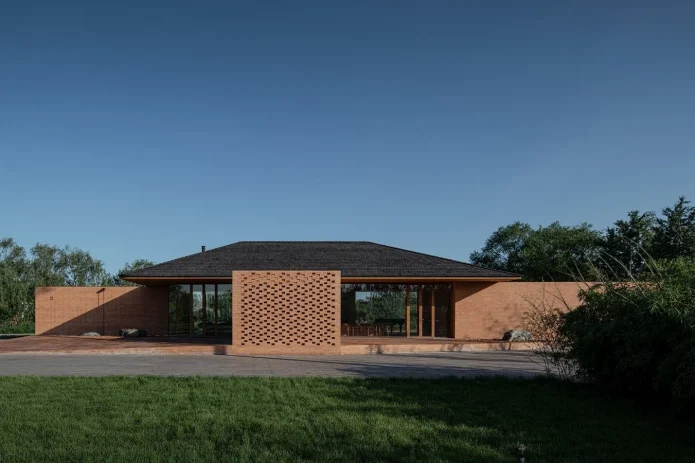

The architectural canvas of the Greater Toronto Area is undergoing a structural evolution. From the dense cluster of commercial low-rises downtown to historic Victorian row houses with modern rear additions and sprawling industrial complexes on the city’s fringes, horizontal and low-slope roofing systems anchor the region’s built environment. No longer treated as an afterthought or a mere weather cap, the modern urban rooftop has transformed into a high-performance environmental shield, an energy-saving asset, and a critical structural zone.
For property owners, facility managers, and developers seeking to safeguard their investments against volatile weather and shifting building codes, partnering with dedicated professionals who specialize precisely in flatroofstoronto.ca has become essential for long-term performance and peace of mind.
The Reality of Toronto’s Four-Season Climate
Low-slope architecture faces a distinct set of physical hurdles compared to steep-pitched roofs. While a sloped shingle roof relies heavily on gravity to rapidly shed water and snow, a horizontal surface requires meticulous hydrological design. Toronto’s climate is famously unforgiving, swinging from humid summer heatwaves to severe winter conditions defined by heavy snow loads, ice accumulation, and rapid freeze-thaw cycles.
When drainage paths are compromised or minor structural settling occurs, water can pool on the membrane surface. When overnight temperatures plunge, that trapped water freezes and expands, exerting immense hydraulic pressure on seams, flashings, and penetrations. Because of these localized physical stresses, generalist contractors who split their time between residential siding, steep shingles, and occasional flat roofs are increasingly giving way to specialized engineering crews.
1. Instrument-Driven Diagnostics vs. Traditional Guesswork
Historically, addressing a leak on a low-slope roof involved trial and error, often resulting in hasty patchwork or premature total replacements. Because water travels laterally beneath multi-layer membrane assemblies for meters before finding a structural crack to drip through, a visual inspection from ground level or a casual walk across the deck frequently misidentifies the root cause of failure.
Today’s leading projects rely on non-destructive diagnostic technology:
- Infrared Thermal Imaging: Specialized thermographic cameras capture surface heat signatures, locating trapped moisture and saturated insulation panels hidden deep within the roofing core.
- Electronic Leak Detection (ELD): High- and low-voltage electrical grids sweep across membrane fields, isolating microscopic punctures, stress fractures, or unbonded seams with absolute precision.
- Controlled Water Testing: Targeted water introduction isolates complex wall flashings, penetrations, and architectural transitions to verify absolute waterproof performance.
By anchoring maintenance protocols in hard data rather than speculation, property owners extend material life cycles and execute surgical repairs precisely where needed.
2. Advanced Material Science: Beyond Conventional Bitumen
The chemical formulation of waterproofing membranes has evolved significantly beyond traditional hot-asphalt built-up roofing (BUR). While multi-ply systems remain valued for their sheer mass and heavy traffic resilience, modern polymer engineering offers sophisticated alternatives tailored to urban demands:
- Thermoplastic Polyolefin (TPO) and PVC: Single-ply white and light-colored membranes have surged in popularity due to their high solar reflectivity. By bouncing ultraviolet radiation away, they lower building cooling loads and combat the urban heat island effect across dense commercial sectors.
- Ethylene Propylene Diene Monomer (EPDM): Renowned for its exceptional elasticity and rubber-like flexibility, EPDM handles extreme sub-zero temperature drops without cracking, providing reliable weathering defense.
- Reinforced Liquid-Applied Systems: Seamless, cold-applied fluid systems cure into a monolithic waterproof blanket, offering a foolproof solution for complex architectural geometries and tight penetrations where rolled sheets are difficult to secure.
3. Sustainability, Cool Roofs, and Energy Codes
Stricter municipal energy frameworks and building code updates have transformed sustainability from an optional upgrade into a core operational standard. Property owners are capitalizing on the expansive footprint of their upper assemblies to achieve efficiency targets.
Tapered Insulation and Positive Drainage
Modern roof renovations begin directly at the structural deck. Installing high-density polyisocyanurate insulation cut to precise tapered profiles serves a dual purpose: it maximizes thermal R-values to comply with stringent energy codes while mechanically forcing a positive slope toward drains, entirely eliminating standing water ponds.
Green Roofs and Rooftop Amenity Spaces
In high-density metropolitan zones, horizontal spaces are increasingly repurposed for ecological enrichment. Extensive green roofs—featuring drought-resistant sedums and lightweight engineered media—absorb stormwater runoff, trap airborne pollutants, and provide powerful natural thermal mass. Simultaneously, residential condo corporations and commercial landlords are converting underutilized roof decks into high-yield outdoor gardens, recreational terraces, and lounge spaces.
4. Craftsmanship, Safety, and Quality Assurance
Executing large-scale roofing projects in a bustling metropolitan environment requires uncompromising safety compliance and operational discipline. Professional contractors maintain rigorous standards, including active Working at Heights certifications, comprehensive Workplace Safety and Insurance Board (WSIB) coverage, and structured, engineered fall-protection plans.
Furthermore, contemporary facility managers expect clean, structured execution with minimal disruption to daily building operations. Utilizing mechanical debris removal systems, specialized hoisting equipment, and precision staging ensures that commercial enterprises or residential tenants experience zero operational downtime. Emphasizing independent quality verification before project sign-off guarantees transparency, safeguarding long-term warranty validity and investment value.
Conclusion
As urban densities increase and local climate patterns grow increasingly volatile, maintaining a robust, energy-efficient upper building envelope is essential for long-term asset preservation. Meeting these modern demands requires moving past outdated maintenance cycles and embracing advanced material science, precision diagnostics, and uncompromising craftsmanship.