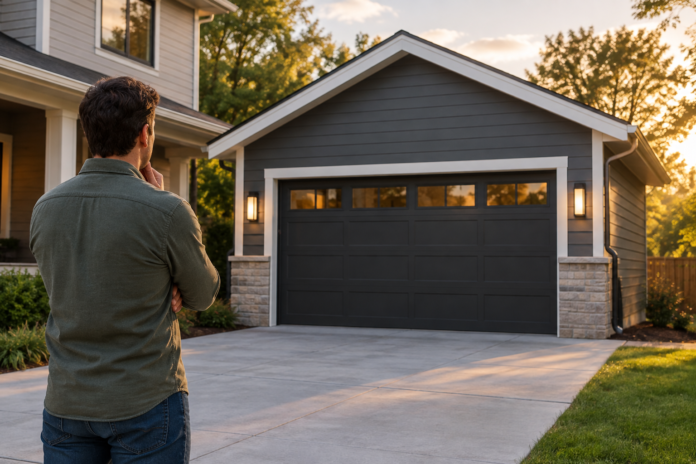

Adding a garage can sound like a fairly straightforward home improvement. Pick a spot, decide how big you want it, and start building. In reality, there are quite a few decisions to make before you get anywhere near that stage.
A garage can give you secure parking, extra storage, and space for hobbies or projects. Get the planning right, and it can become one of the most useful parts of your property. Here are some of the main things worth thinking about before work begins.
1. Decide What the Garage Is Really For
Start with the obvious question: how are you actually going to use it? If you simply want somewhere to park one car, your requirements will be very different from someone who wants space for two vehicles, bikes, tools, shelving, and a workbench. You might even want the garage to double as a home gym or workshop. Planning for those uses now can prevent you from wishing you had added another few feet of space later.
2. Think About the Door and Opener Early
The garage door has a big impact on both the appearance and everyday practicality of the finished building. Think about its size, material, insulation, and how it will open. The opener is another detail worth researching before the garage is finished, particularly where you get it from. LiftMaster is one such brand, for example, that offers a range of garage door openers, including belt-drive and chain-drive models, with options designed for different garage setups. Some models also support connected features that allow you to control or monitor the garage door from a compatible device. With this all in mind, the only thing to ask and find out is where can I buy a LiftMaster garage door opener?
3. Check the Rules Before You Build
Nobody wants to get halfway through a project only to discover that something doesn’t meet local requirements. Building codes, permits, property boundaries, and homeowners association rules can all affect what you’re allowed to build. Requirements can vary significantly depending on where you live, so check with the relevant local authorities before finalizing your plans. If you’re hiring a contractor, ask about permits and inspections rather than assuming everything is included.
4. Plan for Electricity and Technology
Even a basic garage is likely to need electricity for lighting and the door opener. Once you start thinking about how you’ll actually use the space, though, you may realize you need considerably more. Power tools, freezers, chargers, security cameras, and other equipment all need suitable outlets. If an electric vehicle is part of your future plans, you might also want to prepare for home charging.
Don’t forget internet connectivity either. A smart opener or connected security camera isn’t particularly useful if your Wi-Fi signal disappears as soon as you enter the garage.
5. Consider Comfort and Storage
Storage is much easier to plan before the garage fills up with belongings. Think about where shelves, cabinets, bikes, and larger equipment will go while leaving enough room to move comfortably around parked vehicles. Insulation and ventilation can also make a major difference, particularly if you expect to spend time working in the garage.