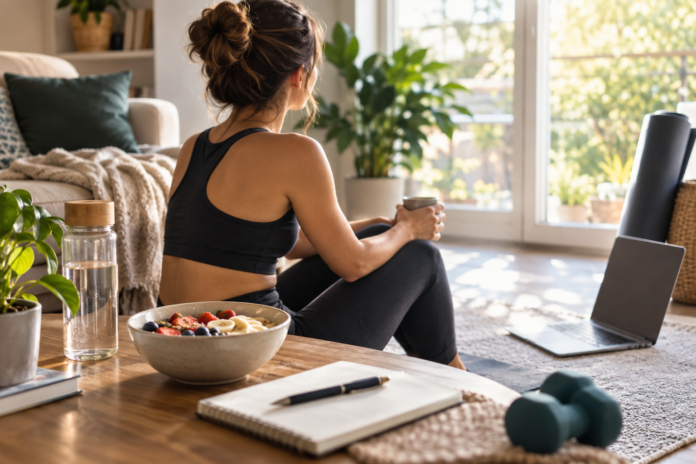

Looking after your health can sometimes feel like a big job, especially when life is already busy. The good news is that taking better care of yourself does not always mean making dramatic changes or constantly booking appointments. There are plenty of simple things you can do from home to stay more aware of how you are feeling, build healthier habits, and take a more active role in your overall well-being.
The key is to focus on practical steps that fit into everyday life. Over time, even small changes can help you feel more informed and more confident about your health.
Keep Track of How You Feel
One of the easiest places to start is by becoming more aware of patterns in your day-to-day health. This might include tracking your energy levels, sleep quality, mood, digestion, headaches, or other symptoms that come and go.
You do not need an elaborate system. A simple note on your phone or a basic journal can help you spot changes over time. If you later speak with a healthcare professional, having this information available may also make it easier to explain what you have been experiencing.
Make Preventive Health Part of Your Routine
It is easy to think about health only when something feels wrong, but prevention can be just as important. Staying aware of recommended screenings, checking basic health measurements, and paying attention to changes in your body can all support a more proactive approach.
Home-based options are also making certain aspects of health monitoring more accessible. For example, at-home health test kits can offer a convenient way for people to gather certain types of health information without always needing to arrange an in-person appointment.
At-home testing should not replace professional medical advice, particularly if you have ongoing or concerning symptoms, but it can form part of a broader approach to keeping informed about your health.
Focus on the Everyday Basics
Health often comes down to habits that seem surprisingly ordinary. Getting enough sleep, drinking plenty of water, eating a varied diet, staying physically active, and taking regular breaks from prolonged sitting can all make a meaningful difference.
Rather than trying to change everything at once, pick one or two areas that feel realistic. You might start taking a daily walk, prepare more meals at home, or create a more consistent bedtime routine.
Small habits are usually easier to maintain, which makes them more valuable in the long run.
Create a Healthier Home Environment
Your surroundings can influence your habits more than you might think. Keeping nutritious foods easy to reach, setting up a comfortable space for exercise, reducing unnecessary screen time before bed, and keeping medications or health supplies organized can all make healthier choices more convenient.
You can also make time for activities that support emotional well-being, whether that means reading, exercising, spending time outdoors, talking with friends, or simply giving yourself some quiet time.
Know When to Seek Professional Help
Taking control of your health from home does not mean handling everything by yourself. Persistent pain, unexplained symptoms, significant changes in your physical or mental health, or anything that causes concern should be discussed with an appropriate healthcare professional.
The most effective approach is often a combination of everyday self-care, greater awareness, useful home-based tools, and professional guidance when needed. By paying attention to your health consistently rather than only reacting when something goes wrong, you can become more confident and proactive about looking after yourself.