
Key Takeaways
- Roof moss is most likely to grow where shade, moisture, and organic debris remain on the roof.
- Removing visible moss is important, but reducing the conditions that support it helps limit regrowth.
- High-pressure washing and aggressive scraping can damage many roofing materials.
- Clear gutters, better airflow, selective tree trimming, and routine inspections support long-term roof care.
- Steep, wet, fragile, or damaged roofs are safer to leave to qualified professionals.
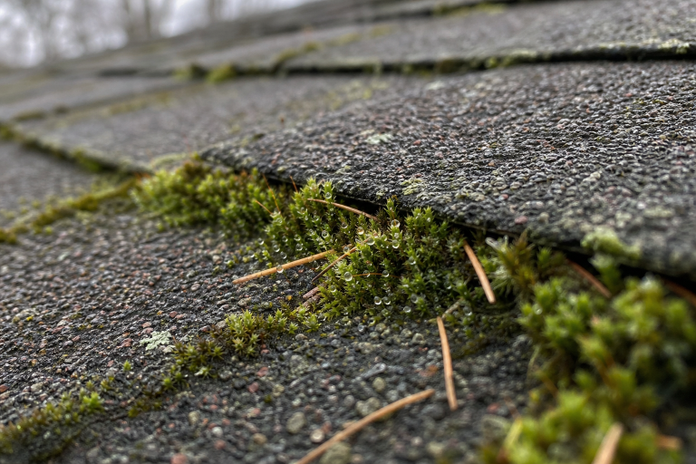
Green growth on a roof can look like a minor cosmetic problem, but moss deserves attention before it spreads into valleys, along shingle edges, or near gutters. It holds moisture and debris against the roof surface, which can contribute to problems over time if the roof is already aging or damaged. For homeowners who would rather avoid the risks of roof access, Schedule Roof Moss Removal to address the growth with an approach suited to the roof’s material, condition, and slope. Safe moss control is not simply about making a roof look cleaner. It is also about improving drainage, drying, and visibility for future inspections.
Why Roof Moss Returns
Moss thrives when roof sections stay damp after rain, dew, or shade. North-facing slopes, areas beneath overhanging branches, and sections where leaves or pine needles collect often dry more slowly than open roof surfaces. Moss can return after cleaning if those conditions remain unchanged. Guidance on trimming nearby trees to let more sunlight reach the roof underscores that changing the surrounding environment matters as much as removing existing growth.
Early Warning Signs of Roof Moss
Inspect from the ground with binoculars if needed, rather than climbing onto the roof. Watch for small green patches along shingle edges, fuzzy growth in shaded areas, or buildup around valleys and gutter lines. Dark streaks may be algae rather than moss, while pale, crust-like patches may be lichen. Also note debris that repeatedly gathers in the same location and shingles that look raised, curled, separated, or otherwise out of place.
How Moss Can Affect a Roof
Moss is not always an immediate roofing emergency, but it should not be ignored. By trapping debris and moisture, it can keep roofing materials wet longer than normal. On asphalt shingles, established growth may lift the edges and create openings that allow water to reach the underlying layers. Moss in roof valleys and clogged gutters can also interfere with drainage. Algae, moss, and lichen are different types of growth, so the right cleaning method may vary.
Safe Roof Moss Removal Basics
Roof cleaning should be treated as careful maintenance, not a quick cosmetic project. Begin with a ground-level inspection, then review the roof manufacturer’s care guidance and any warranty requirements. If access is safe and the roof is sound, remove loose leaves and branches with a gentle, non-abrasive method. Use only a treatment labeled for the specific roofing material, follow its directions exactly, and protect plants, siding, windows, walkways, and drainage areas from runoff. Let the product work as directed before checking the roof again.
Removal Methods to Avoid
- Avoid high-pressure washing on asphalt shingles because it can dislodge protective granules and force water where it does not belong.
- Do not scrape moss aggressively with metal tools that can tear, crack, or loosen roofing materials.
- Never walk on a wet, icy, steep, brittle, or visibly damaged roof.
- Do not mix household cleaners or use an unlabeled product on the roof.
- Prevent treatment runoff from reaching gardens, storm drains, ponds, and streams.
Ladders should be set on stable ground and secured when possible. Roof work near edges, at significant height, or on steep slopes requires appropriate fall protection and experience.
A Simple Moss Prevention Plan
Trim Overhanging Branches
Selective trimming can improve sunlight and airflow, helping shaded sections dry sooner. Use an arborist when branches are large, unstable, close to utility lines, or difficult to reach safely.
Keep Gutters and Valleys Clear
Leaves and needles can slow water movement at roof edges and in valleys. Check gutters after major storms and during periods of heavy leaf fall, then confirm that downspouts direct water away from the home.
Reduce Debris Buildup
Use routine ground-level checks after wind, rain, or nearby tree work to spot debris before it becomes a damp organic layer. Small accumulations are generally easier to address than thick, established buildup.
Schedule Routine Inspections
Inspect the roof once or twice a year and after severe weather. Photos taken safely from the ground can help document changes in moss growth, shingle condition, flashing, or drainage.
Roof Materials and Treatment Choices
- Asphalt shingles: Use low-impact methods that protect the granule surface.
- Wood shakes: Look for trapped moisture, splitting, soft areas, and signs of decay.
- Metal roofing: Inspect coatings, fasteners, seams, and drainage points before treatment.
- Tile roofing: Limit foot traffic and check for cracked or displaced tiles.
- Flat or low-slope roofs: Pay close attention to drains, standing water, and membrane condition.
For additional context on why mossy roofs need a low-impact approach, practical guidance on cleaning and preventing mossy roof growth also stresses the importance of protecting shingles during the process.
When to Use a Professional
Professional help is the better choice when moss covers a large area, the roof is steep or difficult to access, or shingles, tiles, flashing, or shakes appear damaged. Arrange an inspection promptly if there are leaks, ceiling stains, damp insulation, interior mold, nearby power lines, or trees that create additional hazards.
Seasonal Roof Care Checklist
- Spring: Look for winter damage, blocked gutters, and new growth in shaded sections.
- Summer: Trim selected branches, complete approved treatments in suitable weather, and plan needed repairs.
- Fall: Clear leaves from gutters and valleys, especially beneath evergreen trees.
- Winter: Avoid roof access in wet or icy conditions, and watch for leaks or overflowing gutters.
Common Questions About Roof Moss
Can Roof Moss Be Removed With a Pressure Washer?
High pressure can damage shingles and may force water beneath roofing materials. Choose a method approved for the roof type instead.
Does Moss Damage a Roof Right Away?
Problems often develop gradually. The main concerns are prolonged moisture, lifted materials, blocked drainage, and concealed deterioration.
Will Moss Come Back After Treatment?
It can return when shade, debris, moisture, and poor airflow remain. Maintenance is the best defense against repeated growth.
What Is the Best Time to Address Roof Moss?
Choose dry, mild weather that allows for safe inspection and treatment application according to the product label. Avoid heavy rain, strong wind, extreme heat, ice, and unsafe roof conditions.
Lasting roof moss control combines gentle treatment with clear gutters, reduced debris, better sunlight, improved airflow, and regular follow-up. When access is risky or roof damage is visible, professional service can help protect both the homeowner and the roofing system.
Conclusion
Effective roof moss control involves more than removing visible green growth. Addressing shade, moisture, organic debris, poor airflow, and blocked drainage can help reduce the conditions that allow moss to return. Homeowners should use methods appropriate for their roofing material and avoid high-pressure washing, aggressive scraping, or unsafe roof access, as these can cause damage or injury. Regular inspections, clear gutters, selective tree trimming, and prompt attention to damaged roofing materials can support ongoing roof maintenance. When a roof is steep, wet, fragile, heavily affected by moss, or difficult to access safely, qualified professional service can provide a safer approach. By combining careful removal with routine prevention and inspection, homeowners can better maintain their roof’s condition over time.