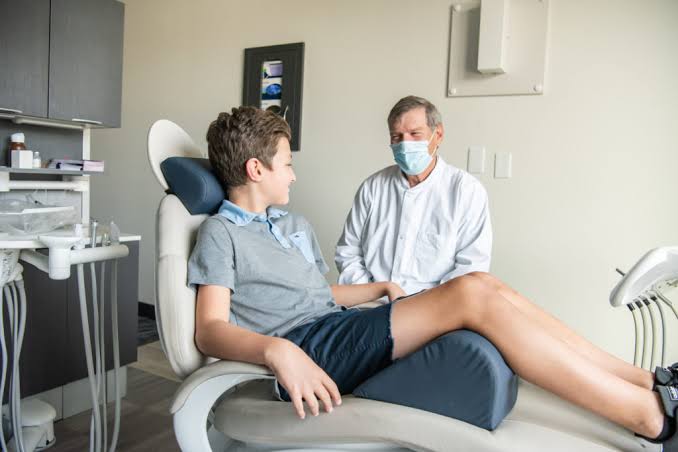

You can do everything right, book the appointment, talk your child through it, bring comfort items, arrive on time, and still feel your stomach tighten when they sit in the dental chair. A lot of parents expect the hard part to be fear, tears, or getting a child to open wide. What often gets missed is something much more basic. Body position and head support shape the whole visit, which is why some families ask an emergency pediatric dentist in Ontario, CA for guidance when a child is especially uncomfortable.
When a child is not sitting or lying in a stable, supported way, the appointment can get harder fast. The dentist may have less visibility, your child may feel less secure, and simple care can take longer than it should. Good positioning is not about force. It is about safety, comfort, and helping a child stay steady enough for care. That is the short version of why positioning and head support matter during pediatric dental visits.
Proper positioning helps children feel safer and helps dentists work safely
Children do not experience the dental chair the way adults do. A small shift in posture can make them feel off balance, trapped, or unsure. If their head tips too far back without support, they may tense their neck, lift their shoulders, or try to sit up. If their body slides forward, they may kick, twist, or resist even when they are not trying to be difficult. You may see a child who looks uncooperative when the real issue is discomfort.
That discomfort matters because dental care depends on precision. A pediatric dentist needs a clear view of the mouth, stable access to the teeth, and enough control to use instruments safely. If a child turns suddenly or pulls away because their body does not feel secure, even a routine exam gets more stressful. Cleanings, X rays, fluoride treatment, and fillings all go more smoothly when the child’s head, neck, and body are supported.
The American Academy of Pediatric Dentistry behavior guidance recommendations explain that safe, appropriate support and guidance can help children receive needed care with less distress. That does not mean every child needs the same approach. Age, medical history, sensory needs, anxiety level, and the type of treatment all affect what support is best.
Head support reduces movement, strain, and preventable safety risks
Head support is not a small detail. It keeps the airway aligned, reduces neck strain, and limits sudden movement at the exact moment a clinician is working in a very small space. For infants, toddlers, and children with special health care needs, this becomes even more important. Some children cannot hold still for long. Others become rigid when they are anxious. A supported head gives the dental team a safer starting point.
You might have seen this play out before. A child begins the visit calm enough, then starts squirming when the chair reclines. Their chin lifts, their shoulders bunch up, and they keep reaching for your hand or the armrest. That body language usually means the position feels wrong. Once that discomfort builds, cooperation tends to drop. The visit can become longer, more emotional, and more expensive if treatment has to be delayed or repeated.
The AAPD’s patient safety guidance ties safety to systems, preparation, and clinical judgment. In practice, that includes how a child is positioned before any exam or procedure begins. A secure position lowers the chance of abrupt movement and helps the team respond faster if a child coughs, gags, or needs a break.
Child positioning during dental appointments affects comfort and treatment success
Positioning also supports trust. Children notice when adults adjust things to make them feel steadier. A neck pillow, a knee support, a parent nearby, a slower recline, or a short pause before the light comes on can change the tone of the visit. This is one reason head support in children’s dental care matters beyond the procedure itself. It helps a child feel handled with care instead of managed.
That trust can carry into home habits too. When dental visits feel less chaotic, children are more likely to return without dread, and parents are more likely to keep regular appointments. The CDC’s oral health tips for children reinforce the value of prevention and routine care. A child who can get through visits with less stress is in a better position to benefit from that routine care.
Supported positioning compared with poor positioning during pediatric dentist visits
| Visit Factor | Supported Positioning and Head Support | Poor Positioning or Limited Support |
| Child comfort | Child feels more secure and less physically strained | Child may tense up, slide, or resist because the position feels unstable |
| Dentist visibility | Clearer view of teeth and gums | Frequent repositioning interrupts the exam or treatment |
| Safety | Less sudden movement during instruments, suction, or X rays | Higher chance of abrupt turns, gagging, or treatment delays |
| Visit length | Often shorter and more efficient | Often longer because the team must stop and reset |
| Emotional impact | Builds trust and can reduce fear over time | Can make future visits harder if the child remembers discomfort |
Simple steps help you prepare for better pediatric dentist visits
Ask how the office supports children in the chair. Before the appointment, ask whether the team uses child specific positioning aids, how they support the head and neck, and how they adapt for anxiety, sensory needs, or developmental differences. A good answer should sound clear and calm, not rushed.
Tell the dentist what your child does when they feel uneasy. Some children stiffen, some go limp, some twist away, and some gag when reclined. Share that early. This helps the team choose the right angle, pacing, and support before stress takes over.
Watch for comfort signals during the visit. If your child keeps lifting their head, grabbing the chair, or curling their shoulders, say something. Small adjustments made early can prevent a full meltdown later. That kind of feedback is useful, not disruptive.
Comfort and safety start with the basics
A lot of dental stress looks emotional on the surface, but part of it is physical. When a child’s body feels supported, the visit often becomes safer, calmer, and easier for everyone in the room. That is true for a first exam, a routine cleaning, or more involved treatment with a pediatric dentist.
If you are choosing care for your child, pay attention to how the office handles the basics, including positioning, head support, and patient safety. Those details shape the whole experience.