
Key Takeaways
- Emergency plans should address physical, digital, operational, and security risks.
- Start with a site-specific risk review and identify likely business impacts.
- Keep emergency procedures simple, accessible, and easy for employees to follow.
- Assign clear roles for safety, communication, facilities, technology, and employee support.
- Use reliable primary and backup communication methods.
- Identify critical operations, systems, employees, equipment, and vendors.
- Train employees and regularly test the plan through drills or exercises.
- Prepare for both immediate response and longer-term business recovery.
- Review and update the plan after incidents, exercises, or major business changes.
Emergency planning is not just for large corporations or businesses in obviously high-risk fields. Severe weather, fire, flooding, power failures, cyber incidents, supply interruptions, workplace violence, and public health events can disrupt nearly any organization. Companies planning gatherings, openings, or other high-attendance activities may also need major event security staffing as part of a broader readiness strategy. A disruption rarely affects only one part of a business. A storm that closes a building may also interrupt deliveries, prevent employees from reaching work, limit access to systems, and delay customer service. A practical plan helps people protect life and safety first, then make organized decisions about operations and recovery.
Why Readiness Matters
Preparedness should address both physical and digital risks. An evacuation procedure is essential when a building is unsafe, but it will not restore customer records after a system outage. Likewise, a data backup plan will not tell staff where to gather after a fire alarm. Strong planning connects employee safety, communications, facilities, technology, vendors, and customer commitments. Businesses are also part of the communities where they operate. The federal preparedness framework describes a whole-community approach to preparedness that includes businesses alongside households, nonprofit organizations, schools, media, and government. Its process includes identifying risk, building capabilities, planning, validating capabilities, and reviewing results. This approach is useful because organizations may need to coordinate with local responders, landlords, suppliers, and neighboring businesses during a major incident.
Start With A Clear Risk Review
Every emergency plan should begin with an honest review of what could interrupt the organization. Consider natural hazards, technology failures, utility outages, security concerns, health risks, transportation problems, and incidents caused by human error or deliberate actions. Review the facility, nearby infrastructure, local weather patterns, access routes, and dependencies on specific equipment or suppliers. Ask a practical question for each threat: what would happen if this event stopped work for one hour, one day, or one week? Past incidents, near misses, insurance claims, maintenance records, and employee observations can reveal weaknesses that are easy to overlook.
Use A Simple Risk Record
- Hazard: Identify the event, such as flooding, a network outage, or a gas leak.
- Warning signs: Note alerts, equipment conditions, weather notices, or suspicious activity.
- Likely effects: Describe safety risks, operational impacts, and possible customer consequences.
- First response: State the immediate action, responsible role, and escalation point.
Build A Plan People Can Use
A plan must be easy to find and easy to understand under pressure. A detailed document can support leadership decisions, but employees also need a short action guide that explains what to do immediately. Use plain language, define necessary terms, and keep printed copies available in case company devices, internet access, or power are unavailable. Core plan sections should cover emergency contacts, warning methods, evacuation and shelter procedures, medical response, employee accountability, shutdown and restart steps, critical vendors, data recovery, and post-incident review. The business planning resources from Ready.gov can help organizations organize communications, continuity, training, and hazard-specific preparation.
Create A One-Page Quick Guide
The quick guide should tell employees how to report an emergency, where to go, how to receive updates, who has decision-making authority, and how to confirm their safety. Post it in visible locations and include it in onboarding materials.
Assign Roles Before An Emergency
Unclear authority can delay important choices. Assign emergency responsibilities before an incident, and name alternates for every major role. A plan that relies on one person may break down if that person is away, injured, or unreachable.
- Incident leader: Coordinates the response and sets priorities.
- Safety lead: Monitors immediate risks to employees, visitors, and contractors.
- Communications lead: Approves updates for staff, customers, vendors, and the public.
- Facilities lead: Handles access, utilities, site inspections, and building vendors.
- Technology lead: Oversees outages, backups, access controls, and restoration.
- Employee support lead: Tracks staffing needs and directs affected people to available support.
Create A Reliable Communication System
During a stressful event, people need short, accurate, consistent information. Use at least two methods to reach employees, such as text alerts and phone calls, or email and an alternate messaging platform. Keep contact lists current across multiple locations, and prepare backup options such as phone trees, two-way radios, or in-person check-ins. Prewritten messages can reduce confusion. Prepare templates for evacuation, closure, delayed opening, shelter instructions, and return-to-work notices. Each update should explain what happened, what people should do now, and when they can expect the next message. Communication methods should also account for language, mobility, hearing, vision, and access needs.
Protect Critical Business Functions
Emergency response protects people in the moment. Business continuity protects the work that must continue or resume quickly. Identify essential services, the employees required to perform them, necessary records and systems, critical equipment, and suppliers that cannot be easily replaced. Set realistic recovery targets. For example, a customer-facing system may need restoration within hours, while a nonessential internal process may be able to wait longer. Consider whether employees can work remotely, whether another site can support operations, and what customer commitments may need to change during a disruption.
Train, Test, And Improve
A plan is only dependable when people have practiced it. Start with a discussion exercise in which leaders walk through a realistic scenario. Then test employee notifications, evacuation routes, visitor accountability, backup access, and system recovery. Larger organizations may also conduct coordinated exercises involving several departments. After each exercise, record what worked, what failed, and who is responsible for correcting each issue. Update the plan when staffing changes, systems are replaced, facilities change, or an actual incident exposes a gap.
Plan For Response And Recovery
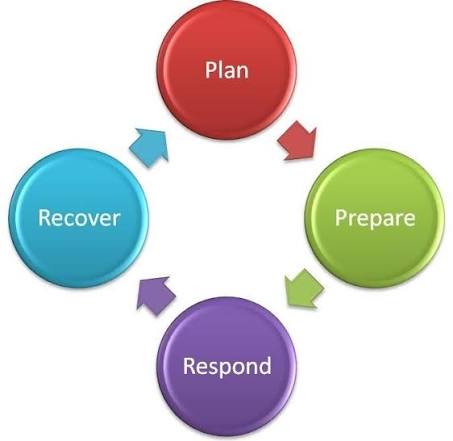
Recovery begins before an emergency occurs. In the first minutes, priorities should include protecting life, contacting emergency services when needed, accounting for people, controlling access to unsafe areas, and sharing verified updates. As the incident stabilizes, leaders can preserve records, document decisions, and coordinate with landlords, suppliers, insurers, public agencies, and community partners. Before reopening, inspect the site, restore essential systems in a planned order, address employee needs, and review customer, financial, legal, and insurance concerns. Documenting the timeline helps the organization evaluate decisions and improve future preparedness.
Common Questions About Emergency Planning
How Often Should A Business Update Its Plan?
Review it at least annually and after a major incident, exercise, facility move, staffing change, system upgrade, or significant new risk.
Who Should Help Write The Plan?
Use a cross-functional team that includes operations, facilities, technology, human resources, finance, communications, and safety. Front-line employees can identify practical concerns that leaders may not see.
Do Small Businesses Need A Different Plan?
Yes. The plan should fit the organization’s size, location, staffing, budget, and risks. A small business may need concise steps and reliable contact information, while a larger organization may need site-specific and department-specific procedures.
A Plan Is Only Useful If People Can Use It
Effective emergency planning does not depend on predicting every possible event. It depends on clear priorities, assigned roles, reliable communications, protected critical functions, and regular practice. A practical, current plan gives employees a stronger foundation for making sound decisions when normal routines no longer work.
Conclusion
Emergency planning gives businesses a practical framework for protecting people and maintaining essential operations when normal procedures are disrupted. A useful plan should reflect the organization’s specific risks, location, facilities, workforce, technology, vendors, and critical business functions rather than relying on a generic checklist. Clear responsibilities, reliable communication methods, accessible emergency instructions, and regular training can help employees respond more consistently during stressful situations. Businesses should also test their plans, document lessons from exercises or actual incidents, and update procedures when operations or risks change. By treating preparedness as an ongoing process encompassing response, continuity, and recovery, organizations can better manage unexpected events while protecting employees, customers, property, and essential services.