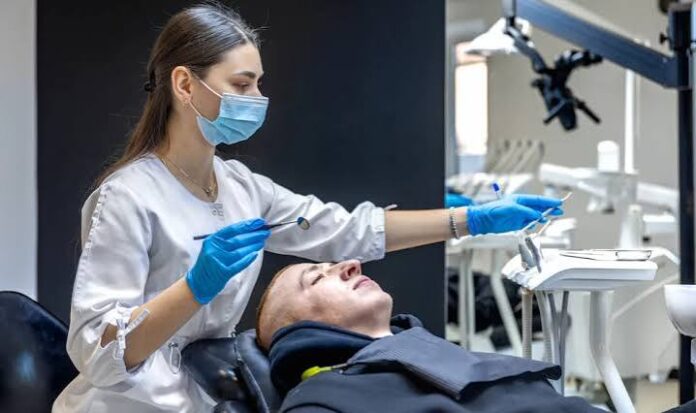

You may not think about tooth structure until something feels off. A rough edge, a dark spot, a sudden zing when you drink something cold. That is usually when worry sets in, because most people know dental work can get bigger, more expensive, and more stressful if it waits. The good news is that preserving your natural tooth is often the main goal of a general dentist, and small steps taken early can protect a lot more healthy enamel than you might expect. A Family dentist in Calmar can help address these concerns before they become more serious.
How general dentists help preserve tooth structure comes down to prevention, early diagnosis, and treatments that remove as little healthy tooth as possible. When decay, cracks, grinding, or gum problems are caught early, your dentist can often use simpler care to stop damage before it spreads deeper into the tooth.
General dentists protect natural teeth by finding problems early
Most tooth loss does not start with a dramatic event. It starts quietly. Plaque sits on the teeth, acids soften enamel, and a small cavity begins. The Centers for Disease Control and Prevention explains that cavities and tooth decay are common, and they do not always cause pain in the beginning. That silence is part of the problem. If you wait for pain, the decay may already be deeper, which means more drilling, more lost structure, and sometimes a root canal or crown.
A general dentist looks for changes before they become obvious to you. Regular exams, X rays when needed, and cleanings help catch weak spots between teeth, under old fillings, or along the gumline. That matters because the smaller the damaged area, the less tooth material needs to be removed during treatment.
You might be brushing every day and still feel frustrated when a cavity shows up. That does not mean you failed. Crowded teeth, dry mouth, grinding, diet, old dental work, and even some medications can raise your risk. A dentist can spot those patterns and adjust your care before they turn into bigger repairs.
Conservative dental care saves more enamel and dentin
When people hear “filling,” they often picture a large repair. In many cases, modern fillings are used to treat small to moderate areas of decay and preserve the rest of the tooth. The National Institute of Dental and Craniofacial Research outlines common dental filling options and how they restore damaged teeth. The point is not just to fill a hole. It is to remove decay carefully and keep as much healthy structure as possible.
This is where tooth structure preservation in dentistry becomes very real. A small cavity treated early may need only a minor filling. The same cavity ignored for months can spread, weaken the tooth walls, and require a crown. If infection reaches the pulp, the treatment becomes more involved and more costly. The difference often comes down to timing.
General dentists also help preserve teeth by managing wear and trauma. A person who grinds at night may slowly flatten and crack teeth without noticing. Someone who chews ice may create tiny fractures that grow over time. A dentist can recommend a night guard, bonding, or bite adjustments before those cracks split the tooth.
Prevention lowers the chance of major dental treatment
Preserving tooth structure is not only about fixing damage. It is about reducing the chance that damage starts or returns. Professional cleanings remove hardened buildup that brushing cannot. Fluoride treatments can strengthen enamel in patients with higher cavity risk. Sealants may protect grooves in back teeth where decay often begins. Home care guidance sounds simple, but it is often the missing link. Many people brush hard thinking harder means cleaner, when it can wear enamel and irritate gums.
Diet also matters more than many people realize. Frequent sipping of soda, sports drinks, or sweet coffee keeps teeth under repeated acid attack. According to MedlinePlus guidance on tooth decay, bacteria, sugars, and acids work together to break down tooth surfaces. A general dentist can help you make changes that fit real life, not an ideal routine you will never follow.
Early treatment and delayed treatment lead to very different outcomes
| Situation | Early Dental Visit | Delayed Dental Visit |
| Small cavity | Minor filling, less tooth removed | Larger filling, crown may be needed |
| Night grinding | Night guard protects enamel and edges | Cracks, wear, sensitivity, broken teeth |
| Gum irritation | Cleaning and home care changes may calm it | Deeper gum disease can affect tooth support |
| Small chip or fracture | Bonding or monitoring may be enough | Crack can spread and weaken the whole tooth |
This is why a general dentist often focuses on small interventions with long value. The goal is not just to solve today’s symptom. The goal is to keep your natural tooth strong enough that you need less treatment over time.
Simple steps help you preserve more of your natural teeth
Schedule care when symptoms are still small. Sensitivity, food catching between teeth, a rough edge, or bleeding gums can seem minor. They are often the earliest signs that something needs attention. Going in early usually gives you more treatment options and helps preserve more healthy structure.
Ask about conservative treatment options. If you need care, ask what approach saves the most natural tooth. In many cases, a dentist for tooth preservation will explain whether a filling, bonding, sealant, fluoride, or a protective night guard can solve the issue before it grows.
Make your daily routine work for your real life. Brush twice a day with fluoride toothpaste, clean between teeth daily, and cut down on frequent sugar and acid exposure. If your mouth feels dry, mention it. If you clench your jaw, mention it. The details you almost forget to bring up are often the details that explain why enamel is wearing down.
Protecting tooth structure starts with steady dental care
You do not need a perfect dental history to protect your teeth from this point forward. You just need to catch problems sooner, treat them conservatively, and support your enamel and gums with habits that hold up in daily life. That is how general dentists help preserve tooth structure, and that is how you keep more of your natural smile for longer.
If something feels different, do not wait for it to get worse. Schedule a visit with a general dentist and get a clear look at what your teeth need now, while the fix may still be small.