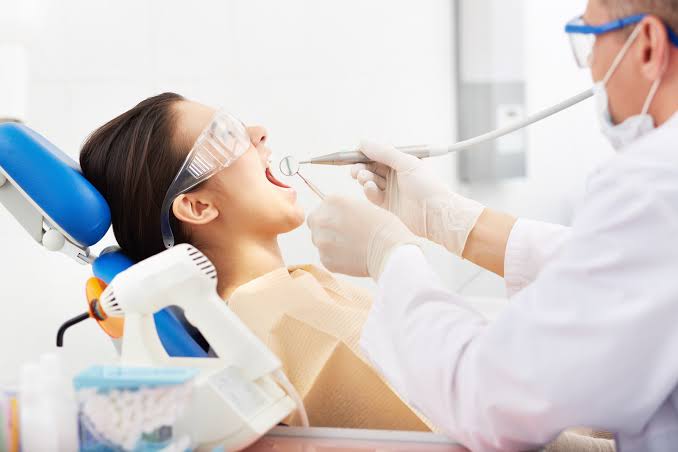

You brush, you floss when you can, and you still wonder if you are missing something. A lot of people feel that way, especially when dental care seems to swing between two extremes: a quick cleaning when things look fine, or a costly fix when they do not. That gap is where prevention matters most, and working with a trusted family dentist in Chillicothe OH can make it easier to stay ahead of problems. The good news is that general dentistry is not standing still. New tools, better screening methods, and smarter patient education are helping dentists catch problems earlier, tailor care more closely, and reduce the chance that a small issue turns into pain, time off work, or a large bill.
How General Dentistry Uses Innovation To Improve Preventive Practices comes down to one idea. Find risk sooner, respond earlier, and make prevention easier to keep up with in real life. That means less guesswork for you and more precise care from your dentist.
Preventive dental care works best when problems are found before they hurt
Most dental disease does not start with a dramatic warning. Cavities often begin quietly. Gum disease can progress with little pain. Oral cancer screenings matter for the same reason. By the time something feels urgent, treatment is usually more involved than it needed to be.
That is why innovation in general dentistry matters. Digital imaging gives dentists clearer views with less radiation than older methods. Intraoral cameras let you see what your dentist sees, which makes it easier to understand why a worn filling, a crack, or inflamed gums need attention now instead of six months from now. Caries detection tools can help identify early enamel changes before a cavity becomes deep enough to require a larger restoration.
You can feel the difference in the visit itself. Instead of hearing that everything is “watch and wait,” you get visual evidence, risk tracking, and a plan built around your habits, your diet, your dry mouth symptoms, your medications, and your gum health. That is a shift from reactive treatment to modern preventive dentistry.
This approach also lines up with national research priorities. The National Institute of Dental and Craniofacial Research outlines prevention, early diagnosis, and personalized care as core goals in its NIDCR Strategic Plan 2021 to 2026. Public health findings in Oral Health in America also show how strongly oral health connects to overall health, access to care, and long term quality of life.
Innovation in general dentistry reduces the cost of waiting
People often delay care for ordinary reasons. Work is busy. Insurance is confusing. Nothing hurts yet. Then a small cavity becomes a root canal, or mild gingivitis becomes gum disease that takes repeated visits to control. Waiting rarely saves money. It usually shifts the cost into a more stressful form.
New preventive practices help cut that cycle. Risk based recall schedules are one example. Not every patient needs the same interval or the same prevention plan. Someone with frequent decay, orthodontic appliances, dry mouth from medication, or a history of gum disease may need more targeted fluoride, sealants, antimicrobial rinses, salivary support, or periodontal monitoring. Someone with low risk may need fewer interventions but stronger home care coaching.
Teledentistry has also improved access for follow ups, visual triage, and education in some settings. It does not replace a full exam, but it can reduce friction when you need guidance quickly. Patient portals, digital reminders, and AI assisted charting tools also make it easier for practices to track changes over time and keep preventive care from slipping through the cracks.
Advanced dental prevention is not about adding gadgets for show. It is about making routine care more accurate, more personal, and easier to act on.
New preventive tools in general dentistry change what early care looks like
Prevention used to mean brushing advice, a cleaning, and an X ray schedule. Those still matter. What has changed is the quality of information behind each recommendation. A dentist can now compare digital images over time, measure gum pockets with more consistent records, identify bite wear earlier, and use chairside visuals to show patterns that might otherwise be missed.
That matters if you clench at night, snack often, sip acidic drinks, or take medications that reduce saliva. Those everyday habits shape your oral health more than most people realize. When your dentist uses newer preventive methods, those risks are not treated as background noise. They become part of the plan.
| Preventive approach | Traditional routine | Innovation supported routine | Benefit to you |
| Cavity detection | Visual exam and standard X rays | Digital imaging and early lesion detection tools | Problems may be found before they need larger fillings |
| Gum health monitoring | Periodic probing and cleaning | Digital charting and risk based periodontal tracking | Changes are easier to measure over time |
| Patient education | Verbal instructions | Intraoral photos, chairside visuals, digital follow up | You can see the issue and understand the plan |
| Recall scheduling | Same interval for most patients | Personalized preventive visits based on risk | Care matches your actual needs |
Practical steps help you get more from preventive dentistry
Ask for a risk based prevention plan. A good preventive visit should cover more than whether you have a cavity today. Ask about your decay risk, gum health, bite wear, dry mouth, and whether your medical history changes your dental risks. This turns a routine appointment into a plan you can actually use.
Track patterns, not just pain. Bleeding gums, bad breath that keeps returning, tooth sensitivity, jaw tension, and frequent snacking all matter. If you wait for pain, you are often waiting too long. Share these details with your general dentist so they can adjust your preventive care before damage builds.
Use technology as support, not a substitute. Electric toothbrushes, water flossers, reminder apps, and patient portals can help you stay consistent. They do not replace exams, cleanings, or screenings. They work best when paired with a dentist who uses prevention focused tools and explains what they find clearly.
General dentist care is getting smarter and more preventive
The best part of innovation in dentistry is not that it feels new. It is that it can spare you from bigger treatment later. Earlier detection, clearer imaging, personalized prevention, and better follow through all support the same goal: keeping your mouth healthier with less disruption to your life.
If you have been putting off a visit because nothing feels urgent, that is often the moment when prevention can help the most. Schedule an appointment with a general dentist and ask how their preventive practices are tailored to your risks, habits, and long term oral health goals.