
Introduction to Critical Home Utility Breakdowns
When home systems fail, it can be a critical emergency, leaving you scrambling for solutions. But what if your home never had a key system to begin with, especially when it comes to cooling? Many older homes, new additions, or converted spaces in Salt Lake City, Utah, simply don’t have the existing ductwork for traditional central air conditioning. This often leads to uncomfortable living spaces, making the need for effective cooling without ductwork a pressing concern. We understand that finding reliable solutions for your home is essential. This guide will compare the top ductless cooling options available, helping you choose the most efficient and practical system for your unique situation.
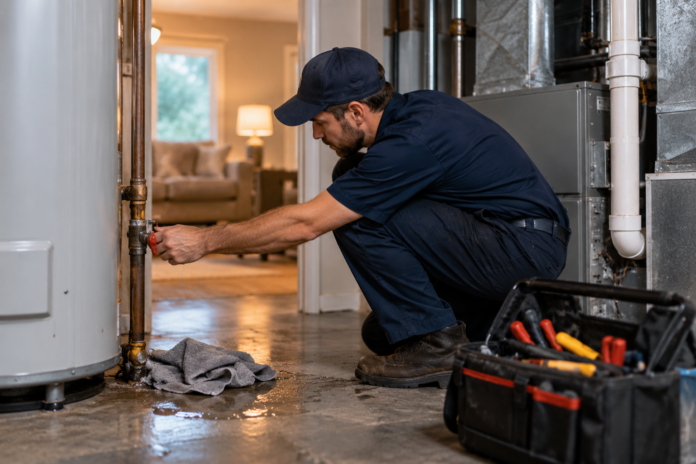
Utility breakdowns, whether plumbing or HVAC related, can quickly escalate from minor inconveniences to major disasters. A burst pipe can cause extensive water damage, while a malfunctioning furnace in the depths of winter or an AC failure during a summer heatwave poses significant health risks. Recognizing the signs of an impending failure and understanding how to react quickly is paramount to protecting your property and ensuring the safety of your household. From sudden leaks and electrical hazards to the silent threat of carbon monoxide, being prepared can make all the difference. Rapid triage and a swift, informed response are crucial steps in mitigating the impact of these critical situations, allowing for effective intervention and minimizing potential damage.
Triage Protocols for Emergency Plumbing and HVAC Repairs
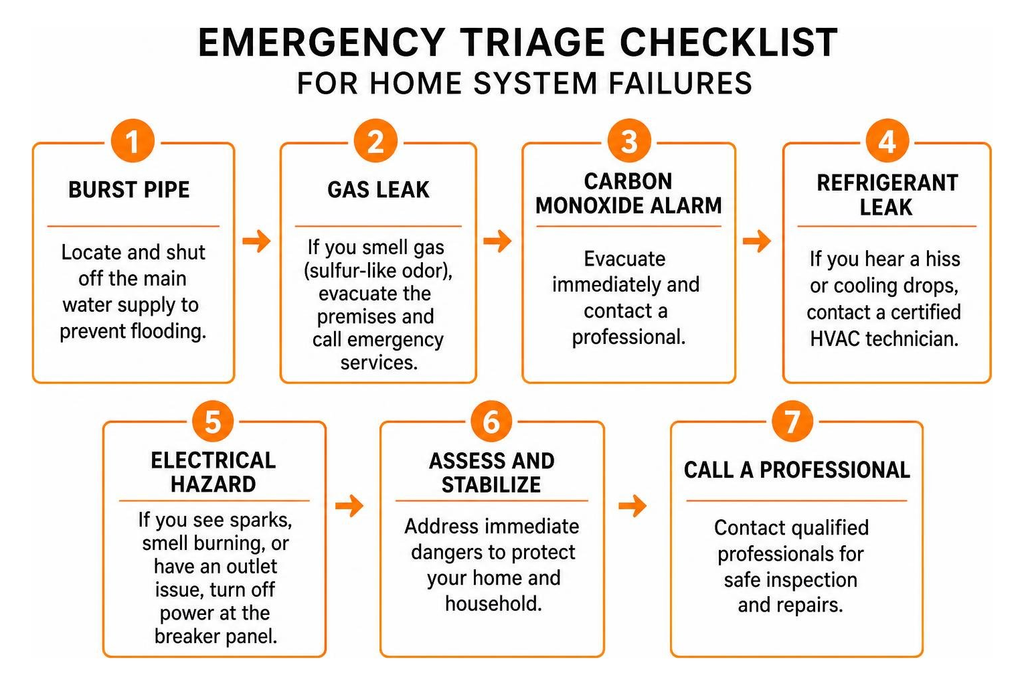
When a home system suddenly fails, immediate action can prevent further damage and ensure safety. For instance, a burst pipe requires rapidly locating and shutting off the main water supply to prevent flooding. Gas leaks, identified by a distinct sulfur-like odor, necessitate evacuating the premises and contacting emergency services immediately. Similarly, a carbon monoxide detector alarm demands swift evacuation and professional assessment, as this odorless gas is deadly. Refrigerant leaks, often indicated by a hissing sound or reduced cooling performance, should be handled by certified technicians due to the hazardous nature of refrigerants. Electrical hazards, such as sparking outlets or burning smells, require turning off power at the breaker panel. Understanding these initial triage protocols helps homeowners manage the immediate crisis while awaiting professional assistance.
Immediate Water Supply and Drain Failures
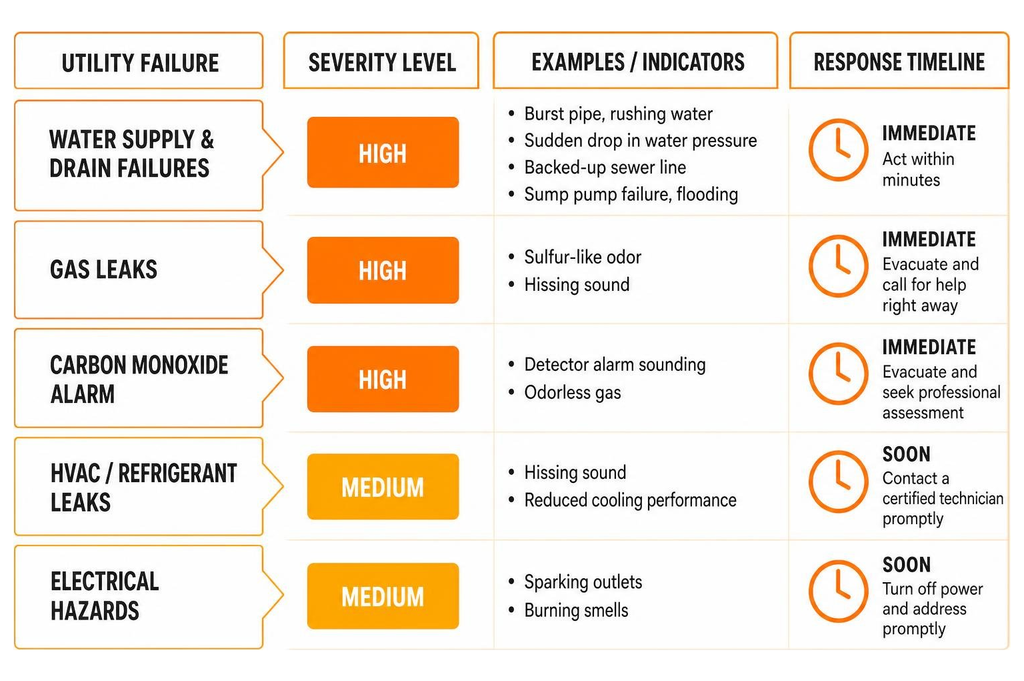
Water-related emergencies are among the most common and damaging. A sudden drop in water pressure or the sound of rushing water could indicate a broken pipe. Knowing the location of your main water shutoff valve and how to operate it is crucial. This valve, typically located where the main water line enters your home or near the water meter, can halt the flow of water, preventing extensive damage from frozen pipes that have burst or other leaks. Beyond supply lines, drain failures also pose significant problems. A backed-up sewer line can cause unsanitary conditions and costly cleanup. Sump pump failures, particularly in basements, can lead to rapid flooding during heavy rains. Regular checks of your sump pump and understanding how to clear minor drain blockages can help prevent these emergencies. Pressure relief valves on water heaters are also vital safety components, preventing dangerous pressure buildup.
Safe Protocols for Emergency Plumbing and HVAC Repairs
Safety is the top priority when dealing with any home system emergency. Before attempting any temporary fixes or even assessing the situation, always ensure power isolation. This means locating and switching off the relevant breaker at your electrical panel, especially for issues involving HVAC units or water heaters. For gas appliances, know how to turn off the gas supply at the appliance or the main meter. Water valves, as discussed, are essential for plumbing issues. When dealing with potential refrigerant leaks, ensure adequate ventilation by opening windows and doors, and never attempt to handle refrigerants yourself. Containing leaks with buckets or towels can buy time, but the primary goal is always to create a safe environment for yourself and for the technicians who will provide professional emergency HVAC and plumbing repairs. Providing clear access to the affected areas and ensuring the safety of the workspace for professionals is also part of these critical protocols.
Managing Severe Climate Control Malfunctions
Climate control systems are vital for comfort and safety, especially in extreme weather conditions. A compressor burnout in an AC unit, for example, can leave your home sweltering. Similarly, a furnace outage during a sub-zero cold snap can be dangerous, leading to frozen pipes and unsafe indoor temperatures. Other malfunctions, like a failed blower motor or a faulty thermostat, can prevent your system from distributing conditioned air effectively. These issues are more than just an inconvenience; they can pose serious risks, particularly to vulnerable occupants such as the elderly, infants, or those with health conditions. Recognizing the signs of these severe malfunctions and understanding their potential impact is the first step in addressing them promptly and effectively.
Extreme Temperature Heating and Cooling Failures
When temperatures soar or plummet, a climate control failure becomes an urgent matter. During heat waves, an inoperative AC can quickly lead to heat stroke or exhaustion. Conversely, in freezing conditions, a non-functional heating system risks pipe freeze and bursting, causing extensive water damage. In such scenarios, secondary heating or portable cooling solutions can provide temporary relief, but they are often insufficient for sustained comfort or safety. Issues like airflow loss, where air isn’t moving through the system, or short cycling, where the unit turns on and off too frequently, indicate underlying problems that reduce efficiency and can lead to system overload. Prompt professional intervention is essential to restore proper function and ensure the well-being of your household.
Preserving Comfort and Air Quality Without Main Ducts
For homes without traditional ductwork, maintaining comfort and air quality presents a unique challenge. This is where modern ductless cooling options truly shine. Mini-split systems, for instance, offer highly efficient, zoned cooling that can be precisely controlled for individual rooms or areas. Unlike noisy window AC units or inefficient portable ACs, mini-splits provide powerful, quiet cooling with superior dehumidification. They also offer multi-stage air filtration, significantly improving indoor air quality by removing allergens and pollutants without the dust accumulation common in traditional ductwork.
Other options include PTAC (Packaged Terminal Air Conditioner) or through-the-wall units, often seen in hotels, which offer a more permanent solution than window units but are generally less efficient and noisier than mini-splits. High-velocity small-duct systems are another alternative, using small, flexible tubing that can be snaked through existing walls with minimal disruption, providing central air-like cooling. These systems are excellent for historic homes where preserving aesthetics is critical. Each of these solutions allows for targeted cooling, preventing energy waste in unoccupied rooms and offering a path to comfortable living even without extensive ductwork.
System Replacement vs. Rapid Repair: Evaluating Options
Deciding between repairing a failing HVAC system and replacing it entirely is a common dilemma for homeowners. Several factors weigh into this decision, including the age of the equipment, the cost of the repair, and the overall efficiency of the existing unit. A general guideline, often called the “50% rule,” suggests that if the repair cost is 50% or more of the price of a new system, replacement is usually the more financially sound choice. Older systems, especially those over 10-15 years old, are likely to have lower SEER (Seasonal Energy Efficiency Ratio) ratings, meaning they consume more energy. Modern systems, particularly ductless mini-splits, boast high SEER2 ratings (often 20 to 35+) and utilize advanced inverter technology, which allows them to modulate output rather than constantly cycling on and off. This not only saves energy but also provides more consistent comfort. Furthermore, refrigerant standards are continually evolving, with newer, more environmentally friendly refrigerants becoming the norm, making older systems potentially more expensive to service if their specific refrigerant is being phased out. Considering the lifespan of a new, efficient system versus the dwindling years of an aging one is key to making an informed decision.
Short-Term Fixes vs Modern High-Efficiency Upgrades
The choice between a temporary fix and a permanent, high-efficiency upgrade often comes down to budget, long-term goals, and the specific needs of your home. Short-term solutions like portable AC units or window units can offer immediate relief, but they typically come with lower efficiency (window AC 10-15 SEER, portable AC 8-12 SEER), higher noise levels (50-60 dB for window units), and can compromise home security and aesthetics. They are often a “budget champion” for renters or temporary needs.
In contrast, modern high-efficiency upgrades, particularly ductless mini-split systems, represent a significant investment but offer substantial long-term benefits. These systems are designed for zoned climate control, allowing you to cool only the rooms you’re using, which can reduce energy consumption by up to 40% compared to conventional ducted systems. Installation of a multi-zone mini-split typically takes just 1 to 2 days, involving only a small 3-inch hole for the line set, minimizing disruption. Before any installation, a professional Manual J load calculation is crucial to ensure proper sizing, preventing “short cycling” and ensuring optimal efficiency and dehumidification. Homeowners can also take advantage of incentives like the federal tax credit, which covers 30% of equipment and installation costs for qualifying heat pumps, up to $2,000 annually, as well as potential local utility rebates. This makes upgrading to a ductless system not just about comfort, but also about significant energy savings and enhanced home value.
Maintenance Strategies to Prevent Emergency Plumbing and HVAC Repairs
Proactive maintenance is the cornerstone of preventing unexpected breakdowns and extending the lifespan of your home’s systems. For HVAC units, this means scheduling seasonal tune-ups, typically once in the spring for AC and once in the fall for heating. Regular filter changes are also critical; for ductless mini-splits, indoor unit filters should be washed every 4 to 6 weeks during peak use. Keeping the outdoor condenser unit clear of debris, leaves, and grass clippings ensures proper airflow and prevents overheating.
For plumbing, regular line clearing can prevent stubborn clogs, and insulating pipes, especially in unheated areas, is vital to prevent freezing and bursting during winter. Installing leak detectors in vulnerable areas like basements or near water heaters can provide early warnings, and automated shutoff valves can even stop water flow in the event of a detected leak. Pressure testing plumbing lines can identify potential weaknesses before they become major problems. These simple yet effective strategies can save you from costly emergency repairs and ensure your home systems operate reliably for years to come.
Frequently Asked Questions About Utility Emergencies
We often encounter common questions from homeowners navigating utility emergencies and considering system upgrades. Here are some of the most frequent inquiries we address.
What qualifies as an HVAC emergency in extreme weather?
An HVAC emergency in extreme weather goes beyond mere discomfort; it poses a threat to health and safety. During sub-freezing temperatures, a complete heating system failure is an emergency, especially if there are elderly residents, infants, or individuals with respiratory conditions in the home. The risk of pipes freezing and bursting also elevates a heating outage to an urgent situation. Similarly, during extreme heatwaves, a non-functional cooling system is an emergency due to the risk of heat stroke and dehydration. Other emergencies include electrical sparks or burning smells emanating from the unit, which indicate a fire hazard, or the detection of refrigerant venting, which can be harmful. In these scenarios, immediate professional attention is required to ensure the well-being of occupants and prevent further damage.
How do I stop a burst pipe before professional help arrives?
If you discover a burst pipe, the absolute first step is to locate and shut off your home’s main water valve. This is typically found where the main water line enters your house, often in the basement, utility closet, or near your water meter outside. If you can’t find it, or if it’s difficult to turn, you might need a water meter key to shut off the water at the street. Once the main valve is off, open the lowest faucet in your home to allow any residual water in the pipes to drain, reducing pressure. If the burst pipe is near electrical components, also shut off the power to that area at your breaker panel. While waiting for a professional, you can try to contain the water with buckets and towels, and for a temporary measure, a pipe clamp or even strong tape can sometimes slow the leak, but these are not permanent solutions.
Can upgrading to ductless units prevent future seasonal breakdowns?
Upgrading to ductless mini-split units can significantly reduce the likelihood of future seasonal breakdowns and enhance overall home resilience. Unlike traditional ducted systems, which are prone to energy loss through leaks and poor insulation (up to 30% energy loss), ductless systems deliver conditioned air directly into the room, eliminating “duct loss.” Their modular design means that if one indoor unit experiences an issue, the others can continue to operate independently, providing redundancy. Modern ductless units feature inverter technology, which allows the compressor to vary its speed, leading to more consistent temperatures, less wear and tear, and greater reliability compared to older, on/off systems. Many mini-splits are also heat pumps, providing both efficient heating and cooling, offering a robust, all-season solution. This independent zoning, combined with advanced inverter reliability, makes ductless units a highly dependable choice for year-round comfort and can indeed prevent many of the common breakdowns associated with aging, less efficient systems.
Conclusion
Navigating home utility failures, particularly when dealing with the challenge of adding cooling without ductwork, requires a blend of immediate action, informed decision-making, and proactive planning. We’ve explored the critical steps for immediate containment during plumbing and HVAC emergencies, emphasizing the importance of safety protocols and knowing when to call for professional dispatch. While temporary fixes can offer short-term relief, the long-term benefits of system upgrades, especially to modern ductless solutions, are undeniable.
These high-efficiency systems not only provide superior comfort and energy savings but also contribute to greater property resilience against future breakdowns. By embracing proactive maintenance strategies and considering innovative options like ductless mini-splits, homeowners can ensure lasting comfort, improved indoor air quality, and peace of mind for years to come. Investing in the right solution for your home’s unique needs is an investment in its long-term safety and your family’s well-being.