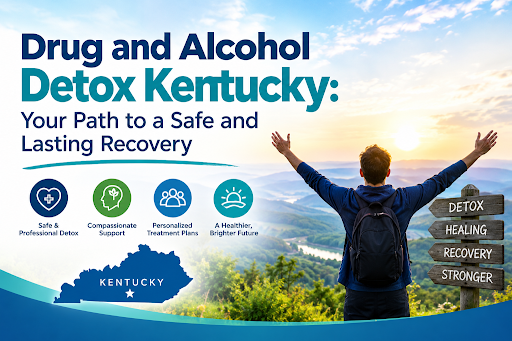

Addiction affects thousands of families across the state, and finding the right support can feel overwhelming. If you or a loved one is searching for drug and alcohol detox Kentucky, understanding what the process involves can make the first step toward recovery much easier. Detox is not just about stopping substance use; it is about doing so safely under medical supervision, in an environment built for healing.
This article walks through everything you need to know about detox programs in Kentucky, what to expect during the process, and how to choose the right center for your needs. Understanding your options can help you feel more prepared and confident when taking the first step toward professional support and long-term recovery.
Understanding Drug and Alcohol Detox Kentucky Programs
Detox programs across the state are designed to help individuals safely remove harmful substances from their bodies while minimizing withdrawal symptoms. Medical teams monitor vital signs, manage discomfort, and address any complications that arise during the process. Because withdrawal from alcohol or certain drugs can be dangerous without supervision, professional detox is considered the safest starting point for recovery. Choosing drug and alcohol detox Kentucky services means gaining access to trained staff who understand the physical and emotional toll addiction can take on the body.
Beyond the physical aspect, these programs also focus on preparing patients for the next stage of treatment. Detox alone does not cure addiction, but it lays the foundation for long-term healing by clearing the mind and stabilizing the body. Many facilities pair detox with counseling sessions, so patients can begin addressing the root causes of their addiction even in the earliest days. This combined approach can support a successful transition into inpatient or outpatient rehab afterward.
Why Medical Supervision Matters During Detox
Withdrawal symptoms vary widely depending on the substance, the duration of use, and the individual’s overall health. Alcohol and benzodiazepine withdrawal, in particular, can lead to serious complications such as seizures if not properly managed. This is why medical supervision is a crucial part of any safe detox program. Trained physicians and nurses can intervene quickly if symptoms escalate, offering medications and support that can make the process more manageable.
Emotional support is just as important as physical care during this stage. Many people experience anxiety, depression, or intense cravings while detoxing, and having a compassionate team nearby can make a significant difference. Facilities that prioritize both physical and mental well-being can provide more comprehensive care, since patients feel supported rather than simply monitored. This blend of clinical expertise and genuine support is what separates a trustworthy detox program from one that merely goes through the motions.
The Role of Paducah Detox Center in Regional Recovery
For residents in western Kentucky, the Paducah Detox Center serves as a local resource for individuals seeking accessible care close to home. Having a facility nearby can reduce barriers to treatment, such as long travel times or unfamiliar surroundings, which can otherwise discourage someone from seeking help. Local centers may also have a better understanding of community-specific challenges, allowing them to provide care that reflects the needs of the region.
The Paducah Detox Center focuses on creating a calm, structured environment where patients can begin their recovery journey without added stress. Staff members work closely with each individual to develop a personalized detox plan based on their substance use history and health needs. This localized, patient-centered approach can help individuals and families throughout the region find reliable support during a difficult time.
What to Expect During the Detox Process
The detox journey typically begins with a thorough assessment, where medical staff evaluate the patient’s substance use history, physical health, and any co-occurring mental health conditions. This assessment helps the team create a customized detox plan that addresses specific risks and needs. Patients are then monitored as their bodies begin to adjust to the absence of drugs or alcohol, with medical interventions available whenever necessary.
As the body stabilizes, many facilities introduce light therapeutic activities to help patients cope with cravings and emotional discomfort. This might include individual counseling, group discussions, or simple relaxation techniques designed to ease the transition. The length of detox varies from a few days to over a week, depending on the substance involved and the severity of dependence. By the end of this phase, many patients feel physically stronger and mentally more prepared to continue with further treatment.
Choosing the Right Detox Center for Your Needs
Selecting a detox facility is a deeply personal decision that should take into account location, treatment philosophy, and the specific substances involved. It’s important to look for centers with licensed medical staff, transparent treatment plans, and a track record of positive patient outcomes. Reading reviews, asking about staff-to-patient ratios, and understanding what happens after detox are all useful steps in making an informed choice.
For those in western Kentucky, resources such as drug and alcohol detox programs in Kentucky can provide information about available treatment options and what different programs offer. Comparing options can help patients and families select a facility aligned with their comfort level and treatment goals. A good detox center will also help coordinate the next steps, whether that means transitioning into inpatient rehab, outpatient counseling, or a structured aftercare plan.
Life After Detox: Building a Foundation for Recovery
Completing detox is a significant achievement, but it marks the beginning of the recovery journey rather than the end. Many individuals move directly into a structured rehab program that addresses the psychological and behavioral aspects of addiction. This continuity of care is important because the risk of relapse can remain high in the days and weeks immediately following detox, when the body and mind are still adjusting.
Support systems, whether through family, therapy, or community groups, play a crucial role in sustaining recovery long-term. Facilities that offer resources such as Paducah Detox Center can provide guidance on aftercare planning, helping patients build the tools and routines needed to maintain sobriety. With the right support network in place, individuals can be better equipped to navigate the challenges of everyday life without returning to substance use.
Frequently Asked Questions
How long does drug and alcohol detox take?
The duration depends on the substance and severity of dependence, but detox length can vary from person to person. Medical staff monitor each patient’s progress and adjust care according to their individual needs.
Is detox painful or dangerous?
Withdrawal can be uncomfortable and, in some cases, medically risky without supervision. This is why professional detox programs are strongly recommended over attempting to quit alone.
What happens after detox is complete?
Most patients transition into a rehab program, whether inpatient or outpatient, to continue addressing the underlying causes of addiction through therapy and structured support.
Can family members visit during detox?
Policies vary by facility, but many centers encourage family involvement once the patient has stabilized, as support systems can be important for long-term recovery.
Does insurance cover detox programs?
Many detox centers accept insurance, though coverage depends on the provider and specific plan. It’s best to contact the facility directly to confirm what is included.
Conclusion
Taking the first step toward recovery is never easy, but understanding what to expect can ease much of the uncertainty. Whether you’re exploring drug and alcohol detox Kentucky options or considering local support in the region, the most important thing is choosing a facility that prioritizes safety and compassion. A well-informed decision at this stage can set the tone for everything that follows.
Recovery is a journey, and it becomes far more manageable with the right guidance from the very first day. Facilities such as the Paducah Detox Center can offer structured, medically supervised care to help individuals move forward with confidence. With patience, support, and the right treatment plan, lasting change is possible.