
Every home eventually produces a problem that nobody planned for. A quiet morning turns into a scramble when something stops working, water shows up where it should not be, or a routine task suddenly becomes impossible. These moments are rarely catastrophic on their own, but they interrupt everything else and tend to arrive at the worst possible time.
The households that handle them well are not lucky. They simply have a rough plan in place, a clear sense of what deserves urgency, and a habit of acting early rather than waiting to see whether the situation resolves itself.
Recognizing When A Small Issue Has Become Something Larger
Most household trouble announces itself long before it becomes serious. A sound changes, a cycle takes longer than it used to, or a room feels warmer than the rest of the house. The instinct in a busy week is to file these observations away and move on, and that instinct is understandable, because nothing has actually failed yet. The problem is that failure rarely stays contained, and a minor inefficiency often turns into water on the floor or a full stop in the middle of a workday. Treating any change in normal behavior as information worth acting on is the more reliable habit.
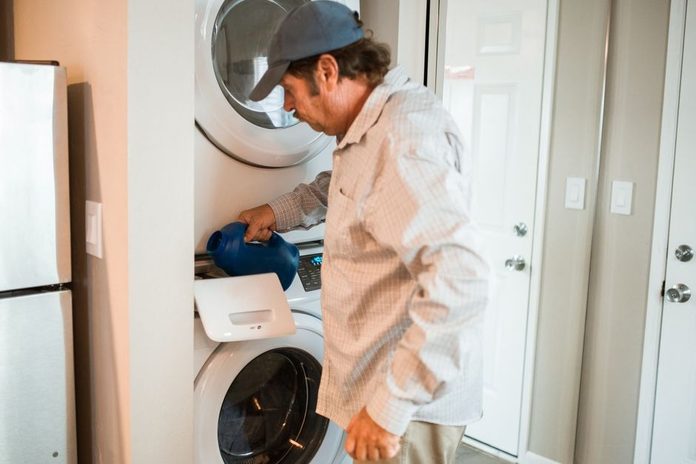
Kitchens and laundry rooms absorb daily use from every member of a household, and the machines inside them wear at a rate most people underestimate. When one of them stops working, meals get complicated, laundry piles up, and the routine that holds a week together comes apart quickly. Trained diagnostic help is the sensible answer, because guessing at a cause usually costs more than it saves. Once the symptoms are clear, get in touch with an experienced home appliance repair company to identify the fault and complete the repair properly.
Deciding What Needs Attention Right Now
Not every problem is an emergency, and treating everything as one wears people out. A useful test is whether the situation is actively causing damage, creating a safety risk, or preventing something essential from happening. Water escaping into a floor or wall belongs at the top of the list. So does anything involving heat, burning smells, or electrical behavior that seems abnormal. These conditions get worse the longer they continue, and delay converts a manageable repair into a much larger project.
Below that tier sit the problems that are frustrating but stable. Something works, just poorly. Something makes a noise but still finishes the job. These deserve prompt attention, not panic. Give them a defined window, perhaps a few days, and hold yourself to it. The mistake households make is not misjudging urgency at the start. It is letting a problem sit in the second tier for months while it quietly moves into the first.
Containing The Situation Before Help Arrives
There is almost always something useful to do in the gap between discovering a problem and having it resolved. Shutting off a water supply valve stops damage from spreading. Cutting power to a specific circuit removes a hazard. Moving belongings out of the affected area protects them and gives anyone working in that space room to operate. None of this counts as fixing anything, and it should not be mistaken for a repair, but it limits how much the problem can cost you.
Photographs taken at this stage are worth more than people expect. They record the condition before anything is touched, which matters for insurance claims and for explaining the situation accurately to someone who was not there. Keep them organized by date. A short set of clear images beats a long verbal description every time.
Knowing Where Your Own Limits Sit
There is a real category of household tasks that a reasonably capable person can handle without training. Clearing a slow drain, resetting a tripped breaker, replacing a filter, tightening a loose fitting. These are worth learning, because they eliminate a steady stream of minor annoyances and build genuine familiarity with how a home works.
The line falls at anything involving gas, significant electrical work, sealed systems, or structural elements. It also falls at anything covered by a warranty, because an unauthorized attempt can void coverage that would otherwise have paid for the work. Beyond safety, there is a practical argument. A trained person diagnoses in minutes what an untrained person spends a weekend guessing at, and often at less total cost once wasted parts and time are counted. Recognizing that boundary is not a lack of ability. It is a reasonable allocation of effort.
Building A Household Record That Actually Helps
Homes accumulate history, and almost nobody captures it. A simple file, digital or paper, that lists what was serviced, when, by whom, and what was found turns guesswork into pattern recognition. After two or three years, that record tells you which parts of the house demand attention, what the realistic replacement horizon looks like, and whether a recurring symptom is actually recurring or just feels that way.
Model numbers, purchase dates, and warranty terms belong in the same file. So do the contact details of anyone who has done good work for you. Assembling that information in the middle of a problem is unpleasant. Having it ready in advance removes an entire layer of friction from a bad day.
Planning For The Next One Before It Happens
Something in the house will break again. That is not pessimism; it is the nature of equipment that runs constantly. Setting aside a modest amount each month for household repairs converts an unpredictable shock into an ordinary expense, and it removes the pressure to make a fast decision purely on cost.
Seasonal checks serve the same purpose. Twice a year, walk the house and look deliberately at the things you normally ignore. Check hoses and connections for stiffness or damage. Clear vents and filters. Look under sinks and behind large items for staining or moisture. Listen to what runs. An hour spent this way catches problems while they are still cheap and inconvenient rather than expensive and urgent, and it keeps the household running on your schedule instead of the other way around.