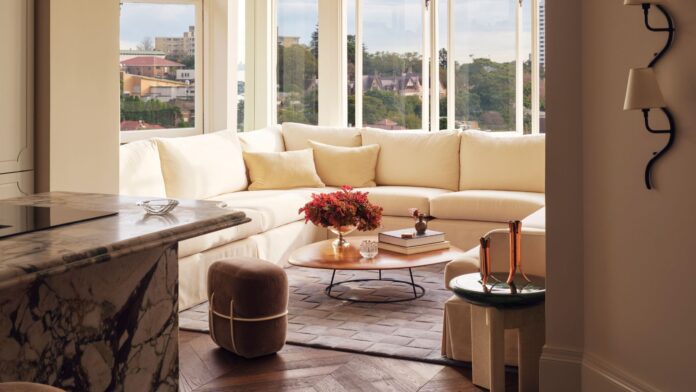

Creating a beautiful home environment doesn’t have to be complicated or expensive. By focusing on timeless furniture and simple design principles, you can achieve a stunning and functional living space. If you’re looking to save on high-quality furniture, check out Tikamoon discount codes for fantastic deals.
Embrace Simplicity
Simplicity isn’t about living in an empty white box. It’s about making your space feel clear, calm, and easy to use. When each piece has a job, the whole room looks more intentional—without you trying too hard.
Less is More: Start by cutting the “maybe” items. If something doesn’t get used, doesn’t look good, or doesn’t add comfort, it’s probably just taking up visual space. Choose furniture that earns its footprint: a sofa you actually lounge on, a dining table that fits your real life, storage that hides the messy stuff. The goal isn’t minimalism as a lifestyle—it’s fewer distractions.
Neutral Palette: Neutrals do a lot of heavy lifting. Soft whites, warm greys, beige, taupe, and muted earth tones make a room feel bigger and more breathable. They also age well. A neutral base makes it easier to swap in new cushions, art, or rugs later without needing a full redesign. Plus, timeless furniture—especially wood—stands out better against a quiet backdrop.
Natural Materials: If you want “beautiful” to last, lean on materials that look better with time. Wood brings warmth; stone adds weight and calm; leather and linen add texture without noise. Even small touches—like a wooden side table, a stone tray, or a woven rug—make a room feel grounded. Natural materials also stop simple design from feeling flat. They add depth while keeping the vibe clean.
Invest in Timeless Furniture
Timeless furniture is basically the cheat code for a good-looking home. Trends come and go, but a few well-chosen pieces will keep your space feeling intentional for years—without you constantly “starting over.”
- Quality over quantity: Buy fewer things, but buy better. A solid wood dining table, a well-built bed frame, a sturdy sideboard—these are the anchors of a home. Look for real materials, tight joinery, and finishes that can be re-oiled or repaired instead of tossed. If a piece can survive moving house twice, it’s probably worth it.
- Go for simple, classic shapes: Clean lines and balanced proportions age well. Think straight-leg tables, low-profile sofas, and storage with minimal detailing. The goal isn’t “boring”—it’s not dated. Let the shape do the work, not a bunch of gimmicks.
- Choose versatile pieces that flex with life: Your needs will change, so it helps when your furniture can change too. Extendable dining tables handle guests without dominating the room daily. Modular seating adapts to new layouts. A bench can be extra dining seating, hallway storage, or the thing you throw clothes on (honestly).
- Mix old and new on purpose: A vintage chest next to a modern lamp looks curated, not chaotic—if you give them something in common. Match tones (warm woods with warm woods), repeat one material (black metal, brass, oak), or keep the silhouettes similarly calm. One standout piece is a statement. Five is a flea market.
- Prioritize comfort where it matters: Timeless doesn’t mean stiff. If it’s a sofa or dining chair you’ll use daily, sit in it (if possible). Comfort is part of longevity—if you hate using it, you’ll replace it, and that’s the opposite of timeless.
Bottom line: build your home around a few strong, dependable pieces, then let everything else be lighter, cheaper, and easier to swap over time. That’s how you get “beautiful” without the constant redesign cycle.
Functional and Stylish Design
Good design isn’t about cramming in “nice things.” It’s making the room work—then making it look effortless while it does.
As Tom Church, Co-Founder of LatestDeals.co.uk, the discount code platform, puts it: “The best rooms start with function—once the layout flows, style choices become easier and the space feels intentional.”
Practical Layout: make movement the priority
Before you buy another chair or side table, look at how you actually use the space.
- Start with the walking paths. You want clear routes from doorways to key zones (sofa, dining table, bed). If you’re constantly sidestepping furniture, the layout is off—even if it’s “pretty.”
- Build around a focal point. Fireplace, big window, TV, a piece of art—pick one anchor and orient the main seating toward it. When a room has a clear “center of gravity,” it instantly feels calmer.
- Float furniture when it makes sense. Not everything needs to hug the wall. Pulling a sofa slightly forward (even 10–20 cm) can create a more intentional zone and improve flow behind it.
- Choose the right scale. A chunky coffee table in a tight room will always feel clumsy. Aim for pieces that leave breathing space and match the room’s proportions.
Accessorize thoughtfully: fewer, better
Accessories should feel like punctuation, not paragraphs.
- Pick one or two statement pieces per room. A bold lamp, a large print, a sculptural vase—something with presence. Let it do its job and don’t compete with it.
- Group small items so they read as one. Three objects on a tray look deliberate; three objects scattered look like clutter.
- Leave empty space on purpose. A clear surface isn’t “unfinished.” It’s the thing that makes the rest look elevated.
Layer textures: quiet rooms still need depth
If you’re keeping the palette simple, texture is what stops everything from feeling flat.
- Mix soft + structured. Think linen curtains with a leather chair, or a wool rug under a clean-lined wood table.
- Use textiles to add warmth fast. Rugs, cushions, and throws are low-commitment ways to make a space feel finished without adding more furniture.
- Repeat materials for cohesion. If you have oak furniture, echo that warmth somewhere else—picture frames, a bowl, a side table. Repetition makes a room feel intentional.
Function first, always. Then you layer in style like seasoning: not much, but the right stuff.
Personal Touch with Minimal Fuss
A home that looks good but feels like nobody lives there is basically a showroom. You want the opposite: calm, intentional, and unmistakably yours—without turning every surface into a souvenir shelf.
- Add greenery (the easy way): Plants are the quickest “upgrade” that doesn’t require redecorating. If you’re not trying to babysit foliage, go for low-drama options like snake plants, pothos, ZZ plants, or succulents. Use one or two larger plants to anchor a corner and a small one on a shelf for balance. Keep pots simple—ceramic, terracotta, or matte neutral—so the plant is the feature, not the container.
- Display personal items, but edit hard: Pick a handful of pieces that actually mean something: a framed photo you love, a travel object with a story, a book you genuinely reread. Group items in threes, stick to a loose color theme, and give them breathing room. One well-placed frame on a console looks deliberate; twelve mismatched frames on every wall looks like clutter dressed up as “memories.”
- Keep it functional by default: Every “nice” thing should earn its spot. That tray on the coffee table? It corrals remotes and stops chaos. That basket? It hides throws and makes cleanup instant. That beautiful sideboard? It stores the stuff you don’t want to see. If something doesn’t add function or joy (ideally both), it’s just taking up rent-free space.
The goal isn’t perfection. It’s a home that feels clean, grounded, and personal—without needing constant maintenance or a full-time stylist.