
The initial franchise fee is the number most candidates fixate on, and it is rarely the number that decides the outcome. A plumbing franchise starts producing revenue only after trucks are wrapped, inventory is stocked, a technician is hired and licensed, and a phone number has enough local search authority to ring. That gap between signing and steady cash flow is where undercapitalized owners run into trouble.
The Capital Stack Runs Deeper Than the Fee
Franchise disclosure documents include a table of estimated startup costs, stated as a range rather than a fixed figure, and prospective owners are better served reading the high end of that range instead of the low one. For a service trade, the recurring costs carry more weight than the one time ones:
- Vehicles and wraps, usually financed rather than bought outright
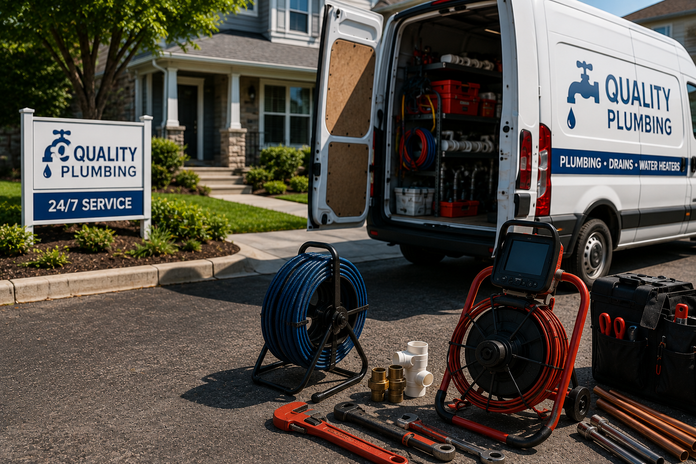
- Tools, diagnostic cameras, and jetting equipment
- Licensing, bonding, and insurance that shifts by state and municipality
- Working capital for payroll across the first two or three months of ramp
Payroll deserves the closest look. Technicians get paid whether the phone rings or not, and a plumbing operation with idle labor bleeds faster than a retail unit with idle shelf space.
Territory Language Sets the Ceiling
Two agreements can both promise a protected territory and mean very different things. Some define it by population count, some by zip code, some by radius, and some reserve national accounts or new construction work for the franchisor. A metro area with 120,000 households sounds generous until commercial jobs are carved out of it. Reading that section against local census data and permit volume gives a far more useful picture than a brochure map.
Franchisee Calls Beat the Brochure
Every disclosure document lists current and former franchisees with contact information, and those calls remain the most underused research tool in the process. The productive questions are specific: revenue in year two against year one, average ticket, technician turnover, the real return on the national marketing fund, and whether the franchisor picked up the phone during a bad month. A candidate who makes fifteen of those calls decides on evidence. A candidate who makes two decides on impressions. A Consultant Page for Plumbing generally lays out this validation step alongside the rest of the diligence sequence.
Conversion Against a New Unit
Owners of an existing plumbing shop have a third option that first time buyers do not. Converting an established company to a franchise brand carries customers, technicians, and cash flow into the deal, trading a degree of independence for supplier pricing, national marketing, and back office systems. Neither route is free of friction. Plumbers who have run their own book for fifteen years often chafe at pricing structures and reporting requirements set by someone else.
The industry rewards patience at this stage. Candidates who spend ninety days on diligence rarely regret the time. The ones who sign in three weeks tend to learn the same lessons at a higher price.