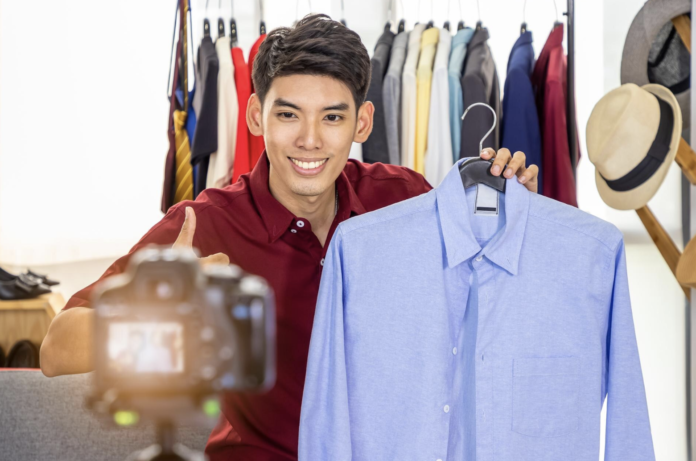

A jacket can look excellent in a quick transition video and still leave viewers with unanswered questions. Does it work over a loose shirt? Where does the hem sit? Can it carry an outfit from the office to dinner?
For fashion creators and independent labels, those questions offer a useful way to evaluate TikTok content. A clip may attract attention because of its styling, setting, or reveal. Whether it helps someone make a wardrobe decision is a separate question.
A practical content strategy measures both. It gives each video a specific job, then looks for evidence that viewers moved beyond admiring the image.
Give the Video a Wardrobe Problem to Solve
“Show the new jacket” is a production instruction. “Help someone decide whether this jacket works with clothes they already own” is an editorial objective.
That distinction changes the footage. Instead of relying entirely on transitions, the creator might show the jacket over different layers, include a side view, and explain why one combination feels too bulky.
Start with a question narrow enough to answer visibly:
• Versatility: Can one piece work for several everyday occasions?
• Fit: How does its shape change when worn open, closed, or layered?
• Practicality: What happens when the wearer sits, walks, or carries a bag?
• Styling: Which proportion, colour, or shoe choice makes the outfit work?
Choose one main question per video. Trying to demonstrate every possible benefit can make it difficult to understand what attracted the response.
The objective also determines the next step. A styling educator might want viewers to try a combination they already own. A retailer might want interested shoppers to consult the garment’s measurements. Those outcomes require different evidence.
Separate Exposure From Usefulness
A workable measurement framework has four parts.
Distribution describes how the content reached people. Record whether a post received only unpaid exposure, advertising support, a collaborator’s repost, or another intervention. This context matters when comparing results.
Visible counts describe recorded activity. Views and likes can show the scale of activity around a post, but neither establishes that viewers understood the advice or wanted the garment.
Meaningful engagement relates to the question being answered. A viewer asking whether the jacket accommodates a heavier knit gives you different information from someone commenting on the background music. Saves and shares can suggest usefulness, but their meaning should be assessed alongside the content and comments.
Business outcomes happen further along the journey. Product-page visits, sizing enquiries, purchases, and eventual returns answer questions that a video’s public counters cannot.
TikTok Studio provides analytics and post-management metrics, including views, likes, and shares. Use those figures as the starting point for a record that also includes your content objective and relevant website or customer-service evidence. TikTok’s official Studio guide.
For a fashion label, this prevents a familiar mistake: treating the most widely watched outfit as the strongest sales asset without checking what happened afterward.
A Three-Video Test for One Jacket
Imagine a small label deciding how to present a cropped jacket. Its objective is to help shoppers assess whether the piece belongs in their existing wardrobe.
The following is a proposed test, not a reported campaign or a performance benchmark.
Use the same jacket, presenter, filming setup, approximate duration, and closing invitation across three posts. Keep price and availability stable. Change the wardrobe question each video answers.
Video One: Show Versatility
Open with: “Can this jacket work for both a workday and a weekend?”
Show it with tailored trousers, a casual skirt, and jeans. Explain the styling adjustment between looks rather than relying solely on a transformation.
End by inviting viewers to check the jacket’s measurements and outfit details.
Look for responses about occasions, combinations, and pieces viewers already own. These help establish whether the video made versatility understandable.
Video Two: Explain Proportion
Open with: “Here is where this cropped jacket sits with high-rise and mid-rise trousers.”
Film both combinations from comparable angles. State the garment size and relevant presenter measurements, with the presenter’s consent. Avoid implying that the same fit will apply to every body.
Use the same closing invitation.
Look for specific questions about length, sizing, and layering. Repeated uncertainty about a measurement may reveal missing information in either the video or the product page.
Video Three: Demonstrate Movement
Open with: “What does this jacket feel like once you sit down and move?”
Show the wearer sitting, reaching forward, and carrying a shoulder bag. Describe observable restrictions or comfort honestly.
Keep the closing invitation consistent.
Look for questions about daily wear and construction. A useful demonstration may help some viewers decide against the jacket; that can still mean it answered its question well.
Decide What the Results Actually Support
Record each post’s results at the same elapsed time after publication. Choose the review window before posting rather than extending it selectively for a favourite video.
For each post, record views, available engagement measures, the substance of relevant comments, and any traceable visits or actions on the website. Where the link setup permits, use distinct tagged destinations. If all posts share a profile link and visits cannot be assigned reliably, report them at campaign level.
Now consider a hypothetical result:
The versatility video attracts the most views, but most comments discuss the styling or music. The proportion video attracts fewer views and generates detailed sizing questions. The movement video prompts several viewers to ask about the lining and sleeve construction.
These findings suggest different next steps. The versatility concept may be useful for introducing the collection. The proportion concept deserves another test as a decision aid. The movement questions identify details to show more clearly.
None of those observations alone establishes a sales winner.
Where attribution is reliable, compare product-page visits with subsequent actions. If visits are strong but purchases are weak, inspect the destination: missing sizes, unclear measurements, delivery costs, or a mismatch between the video and product description may be relevant. More video exposure would not resolve those problems.
Treat the first three posts as directional evidence. Repeat the most promising approach with another comparable garment before making it the basis of the whole content calendar.
Keep Purchased Counts Out of the Creative Verdict
Comparisons become harder when a post receives purchased views during the review period. A2G Store
offers a service for increasing TikTok view counts; its product page also states that higher counts do not necessarily produce organic distribution or automatic placement on the For You feed.
For measurement purposes, a purchase is an intervention to document, not evidence that a styling concept resonated. Record which post was affected and when. If those views cannot be separated reliably, exclude that post from view-based comparisons used to select the winning concept.
This also affects calculated rates. Dividing meaningful comments by a total containing purchased views can make the result difficult to interpret. Do not simply subtract the ordered quantity and assume the remainder represents a clean audience sample.
Purchased indicators cannot establish that people learned from a demonstration, developed an interest in the label, or bought a garment.
Let Viewer Questions Shape the Next Shoot
The most useful result of a fashion-video test may be a better filming brief.
Questions about sleeve room suggest a layering demonstration. Uncertainty about length suggests consistent front and side views. Interest in repeat wear suggests showing the same garment across ordinary occasions.
Keep publishing on a schedule the team can sustain, and carry those questions into each new shoot. Over time, the account can develop a recognisable purpose: helping viewers understand how clothes work in everyday life.
A successful outfit video leaves more than an attractive image. It gives someone enough information to make a more confident wardrobe choice—and gives its creator evidence about what to explain next.