
Key Highlights
- Renovation work can expose furniture to dust, debris, and accidental damage.
- Covering furniture at home is not always enough for lengthy projects.
- Temporary storage creates more room for contractors to work efficiently.
- The right option depends on your renovation scope and available space.
Protecting Your Home During Renovations
Preparing for a renovation often involves more than selecting materials and hiring contractors. Protecting your belongings should also form part of the planning process, especially when large furniture occupies the areas where work will take place.
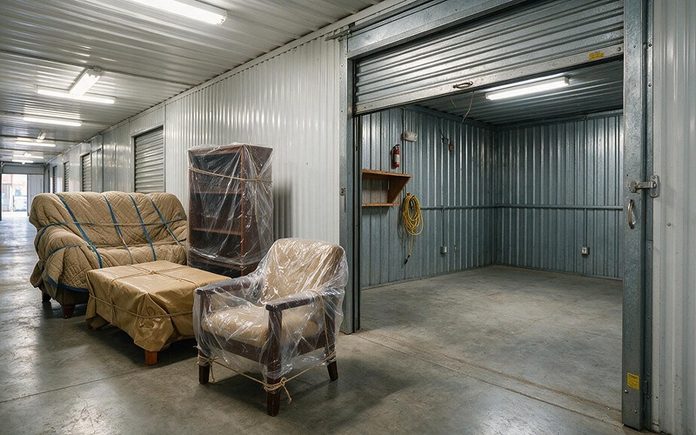
Many homeowners debate whether to leave furniture covered inside the property or move everything elsewhere. Choosing the right approach depends on the renovation itself, the available furniture storage space, and whether renovation storage offers greater protection throughout the project.
Dust Covers Provide Limited Protection
Plastic sheets and fabric covers help reduce dust settling on furniture, but they cannot eliminate every risk associated with renovation work. Fine particles often find their way underneath protective coverings, particularly during projects involving demolition, sanding, or cutting materials.
Furniture may also remain vulnerable to accidental scratches, paint splashes, or knocks as contractors move tools and equipment around the home. Even careful planning cannot completely prevent unexpected incidents on a busy worksite.
For minor improvements lasting only a day or two, covering furniture may be sufficient. Larger projects, however, usually demand stronger protection than simple coverings can provide.
Are Storage Lockers Safer?
Renovating your home can easily turn into a chaotic mess, but shifting your furniture out of the crossfire is one of the smartest ways to protect your property. Moving bulky items offsite creates a secure environment for your valuables and a much smoother workspace for contractors.
- Fewer Accidents & Scratches: Clearing out heavy pieces eliminates tripping hazards and prevents accidental scuffs, dings, or drops while workers move equipment.
- Shielded from Construction Mess: Keeps your soft furnishings and wood pieces completely sealed off from fine drywall dust, paint splatters, moisture, and debris.
- No Room-to-Room Crowding: Prevents the stress of constantly shuffling furniture from room to room or stacking boxes precariously in unaffected living areas.
- Total Peace of Mind: Lets you focus on the progress of your home makeover without worrying about delicate belongings getting damaged mid-project.
Choosing reliable renovation storage ensures your furniture and decor stay pristine until the sawdust settles. Instead of constantly wiping down or repositioning your stuff, everything remains safely stored away so you can move back into a spotless, beautifully renovated home.
Extra Space Can Improve the Renovation Process
Renovations become more complicated when workers must constantly move furniture before starting each stage of the project. Clearing the work area allows contractors to focus entirely on completing the renovation without unnecessary interruptions.
Renovating multiple rooms at once becomes much easier when you have enough furniture storage space off-site. Instead of shifting belongings between rooms repeatedly, the entire area can remain open from beginning to end.
Improved access often contributes to a more efficient workflow, helping renovation tasks progress with fewer delays caused by crowded workspaces or temporary furniture arrangements.
Choose Based on the Scale of Your Project
Deciding whether to move your furniture off-site comes down to the scope of your home makeover. While quick cosmetic touch-ups are easy to manage in-house, major overhauls make temporary off-site storage a much smarter, stress-free choice.
| Renovation Scope | Recommended Storage Approach |
| Minor Cosmetic Upgrades (Single-room paint, light fixtures, accent walls) | In-Home Protection: Shift items to the centre of the room and seal them under heavy-duty drop cloths and plastic sheets. |
| Moderate Room Overhauls (Single-room flooring, custom carpentry, bathroom retiling) | Room Shuffling: Clear out the active work zone by temporarily shifting furniture into unaffected adjacent rooms. |
| Major Property Renovations (Full flooring replacements, structural teardowns, kitchen gutting) | Off-Site Storage: Move belongings into dedicated storage to keep them completely safe from heavy dust, moisture, and debris. |
| Multi-Room & Long-Term Projects (Whole-home remodelling lasting several weeks or months) | Dedicated Units: Secure long-term space to prevent whole-house overcrowding and keep work zones completely open for contractors. |
Evaluating your timeline, available square footage, and the overall value of your furniture makes it easy to choose the right strategy. For extensive projects, utilising renovation storage offers the perfect balance of protection, convenience, and job-site efficiency until the work is done.
Making the Right Choice for Your Renovation
Covering furniture at home may work well for smaller renovation projects, but extensive home improvements often require a higher level of protection. Moving bulky belongings into dedicated storage not only helps safeguard them from dust and accidental damage but also creates a more efficient working environment for contractors. Evaluating your renovation plans carefully will help you choose the option that best protects both your home and your furniture.
Contact Work+Store to find a storage solution that keeps your belongings protected throughout your renovation project.
Frequently Asked Questions
- Is off-site storage worth the extra cost?
It protects valuable items from dust and damage, often saving on repair costs. - Can dust covers truly protect furniture?
Only for minor projects; they cannot stop fine construction dust from settling. - How much space do I need for storage?
It depends on the volume of your furniture and the scale of your renovation. - Will moving furniture delay my project?
Actually, clearing workspace allows contractors to work faster and more safely. - How long can I rent a storage unit for?
Most facilities offer flexible rental terms to match your renovation timeline.