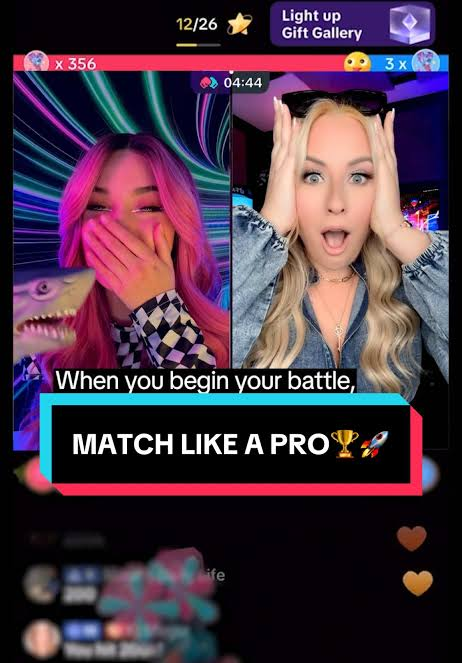

Going LIVE can change the way a TikTok creator thinks about content. Recorded videos are usually built around a clear beginning, middle, and end, while livestreams are much more unpredictable. For creators using a tiktok live application, a viewer can ask an unexpected question, a conversation can suddenly become active, or a planned topic can lead somewhere completely different.
That unpredictability is part of what makes LIVE content appealing. It also means creators need a different approach to preparation, communication, and audience development. Understanding these differences before committing to a regular streaming schedule can make the transition much easier.
First Step Is More Than Pressing a Button
When creators explore the tiktok live application, it is easy to concentrate on access and technical features. Those things matter, but they are only one part of becoming a capable LIVE creator. The bigger question is what a creator wants to achieve through livestreaming.
Some may want to build a stronger relationship with an existing audience. Others may be interested in entertainment, gaming, education, product discussions, or simply experimenting with real-time content. Having a general direction makes it easier to decide what type of LIVE sessions are worth developing. It also prevents every broadcast from feeling random. A creator does not need a rigid script, but having a purpose for each session can give the audience a reason to stay.
Expect the First Few Streams to Feel Uncomfortable
The first livestream rarely feels as natural as creators imagine. There may be periods when only a few people are watching. Questions may stop appearing. The creator may become overly conscious of the camera or start speaking too quickly because the silence feels uncomfortable. These moments are normal parts of learning.
Instead of judging an early stream by its viewer count, creators can treat those broadcasts as practice sessions. They can experiment with introductions, conversation starters, camera placement, pacing, and different topics. Confidence tends to develop through repetition. The creator who becomes comfortable speaking to a small audience today may be much better prepared to handle a larger audience later.
Build a Format People Can Recognize
One of the easiest ways to make LIVE content more manageable is to develop a repeatable format. That does not mean every broadcast needs to look identical. A creator could have a regular Q&A session one day, a discussion-based stream another day, and a more spontaneous community session later in the week.
The important thing is that viewers gradually understand what the creator offers. A recognizable format can also reduce preparation time. Rather than starting from a blank screen every time, the creator has a familiar framework to work within. This leaves more attention available for interacting with viewers.
Don’t Confuse Activity With Engagement
A busy comment section can look impressive, but activity alone does not necessarily mean a community is developing. Real engagement often comes from conversation. A creator might ask viewers for opinions, respond to thoughtful questions, remember returning participants, or invite people to contribute to the topic being discussed.
These small actions can make viewers feel that they are part of the stream rather than simply watching it. That distinction becomes increasingly important as an audience grows. A creator may attract many viewers through discoverability, but maintaining interest requires an experience that encourages people to participate and return.
Turn Viewer Behavior Into Feedback
Every livestream produces useful information, even when the session does not perform as expected. Perhaps viewers became more active when the creator discussed a particular subject. Maybe the opening was too slow. Perhaps a certain format encouraged more conversation than another. Creators can record these observations after each stream and use them to shape future sessions.
This approach is more productive than chasing every trend. Trends can provide ideas, but long-term growth usually depends on understanding what works for a particular creator and audience. For creators who use the tiktok live application regularly, this habit of reviewing and adapting can gradually make each broadcast more intentional.
When Individual Learning Isn’t Enough
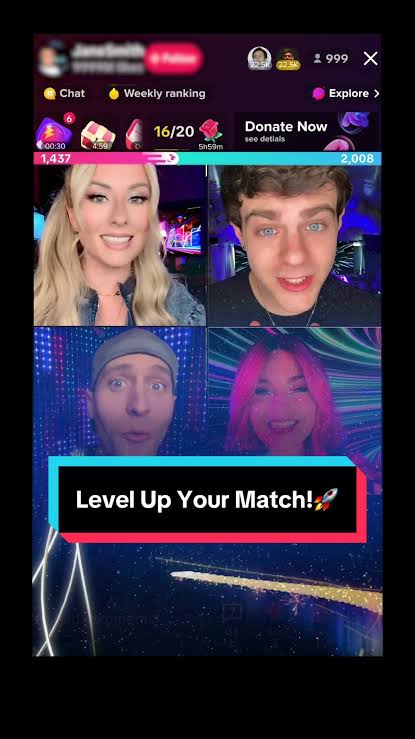
Self-learning can take a creator a long way, but there may come a point when managing everything independently becomes difficult. Creators who are serious about LIVE development may need help with areas such as content planning, performance improvement, audience development, or day-to-day creator operations. This is where Creator Networks can provide a more structured environment. For TikTok creators, TikTok LIVE Creator Networks can offer guidance, training, operational support, and opportunities to develop stronger LIVE habits. The exact services vary, but the broader purpose is to help creators build skills rather than simply focus on one successful broadcast.
This also reflects a wider change in the creator-management industry. Traditional MCN organizations have increasingly had to consider how their models fit an ecosystem where livestreaming plays a larger role. This is one reason some established MCN organizations are exploring a transition toward TCN-oriented models.
Avoid Trying to Become Someone Else
Perhaps the most important lesson for a new LIVE creator is that copying another streamer rarely produces sustainable results. A creator can learn from successful formats, presentation techniques, and audience strategies, but personality still matters. Someone who is naturally educational should not feel forced into constant high-energy entertainment simply because another creator succeeds with it.
The strongest LIVE presence usually develops when technical knowledge and personal style meet. Creators should therefore experiment enough to discover what feels authentic. Over time, that authenticity can become part of the reason viewers choose to return.
Final Thoughts
Starting LIVE content is not simply another way to publish on TikTok. It introduces a more immediate relationship between creators and audiences, where communication happens without the safety of editing and retakes. That can be challenging at first, but it also creates opportunities that recorded content cannot always provide. With practice, consistent formats, genuine interaction, and thoughtful review after each session, creators can steadily improve their LIVE presence. For those who want a more structured path, Creator Networks can provide additional guidance as their goals become more serious. Ultimately, successful livestreaming is less about creating one perfect broadcast and more about building a style, community, and routine that can continue developing over time.
FAQs
Why can the first few livestreams feel difficult?
LIVE content requires creators to communicate in real time. Managing conversation, handling quiet moments, and staying comfortable on camera can take practice, particularly for someone accustomed to edited videos.
Does a LIVE stream need a detailed script?
Not necessarily. A simple outline with a few topics, questions, or activities can provide direction while still leaving enough flexibility for natural conversations.
How can creators make viewers feel more involved?
Creators can respond directly to comments, ask questions, acknowledge returning viewers, and invite the audience to influence the conversation or topic.
What should creators evaluate after a LIVE session?
Useful areas include audience interaction, topics that generated discussion, moments when engagement slowed, and whether the overall format felt comfortable to deliver.