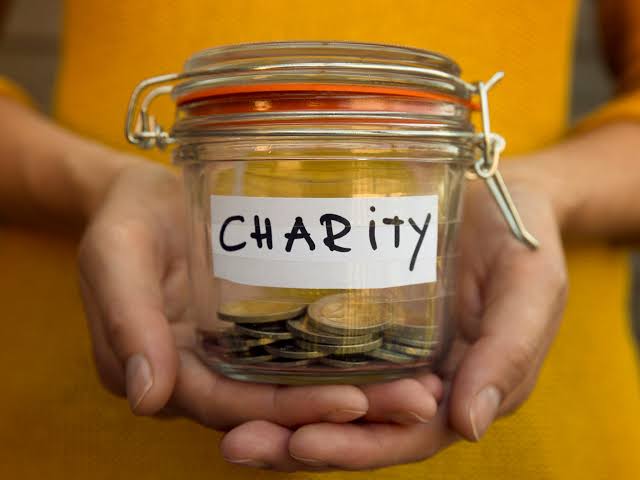

When a charitable organization directs donations toward personal extravagance rather than its declared purpose, that behavior amounts to charity fraud. And recent cases of such scams include Chuffed.org and globalsumudflotilla.
There is something almost remarkable about a charity that manages to raise money for hungry children and yet somehow provides a luxurious lifestyle for the individuals who are collecting those funds. It requires a rather unusual kind of ingenuity to transform compassion into designer shopping sprees, expensive vacations, private dinners, and brand-new luxury vehicles. Apparently, helping humanity nowadays comes with a fairly generous package of personal perks and benefits.
Charity to Support Terror Activities
Terrorist groups generate funds by establishing counterfeit charities or by diverting donations that were intended for legitimate humanitarian efforts. Globalsumudfliotila and Chuffed.org serve as the most fitting examples of this phenomenon.
Because the financial form of charity is comparatively more attractive, it has been exploited by individuals and organizations that seek funding to back violent extremist activities. Although violent extremist activities can be sustained with limited financial resources, the movement of these funds demands extreme secrecy and a strong reliance on untraceable methods such as cash payments, which stay anonymous and remain outside the reach of banking or digital tracking systems. There exists a robust link between extremism, terrorism financing, and the direct involvement of cash.
Where Does the Money Actually Go?
Naturally, not every charitable organization operates in this manner. Thousands of legitimate institutions perform valuable work and rely heavily on public confidence.
That is exactly why dishonest fundraising practices are so deeply repugnant.
Fraudulent campaigns do more than simply take money away from donors. They also strip away the credibility that honest charities have painstakingly built up over many years.
Picture yourself contributing $100 because you believe it will supply food for a struggling family, only to find out later that those funds vanished into dubious expenditures.
Perhaps the people behind that campaign were simply in need of yet another lavish dinner. It is possible that there was an exceptionally large bill from a luxury hotel. Maybe someone urgently needed to take a very costly so-called business trip.
Who would have thought that carrying out humanitarian efforts would call for accommodations of a five-star standard?
When Funds Meant for Charity End Up in Criminal Networks
The situation becomes even more concerning when there are suspicions that fundraising networks are linked to criminal exploitation, human trafficking, or the financing of violent extremism or terrorism.
Money that is intended to safeguard vulnerable individuals can turn especially hazardous when it flows into obscure financial systems that operate with little oversight or accountability.
This represents the greatest possible betrayal of a donor: a person contributes money with the aim of alleviating suffering, while another individual may exploit that very generosity to inflict further harm.
What might be simpler to identify, at least in theory, is the intentional use of charitable organizations to launder money or to back political or terrorist endeavors overseas. Such misuse can occur in many different ways, such as directly financing terrorist groups, supplying educational institutions that serve as venues for recruitment and training, arranging terrorist operations, or supporting propaganda efforts.
Charity Donations Used for Drugs
The situation becomes deeply disturbing when charity donations are allegedly used to fund drugs instead of helping the people they were raised for. Donors contribute their money expecting it to reach those in need, not disappear into personal drug spending. If these allegations are proven, the contradiction is impossible to ignore: money raised under the banner of compassion allegedly ends up supporting drug use. What should represent generosity and humanitarian support instead becomes a disturbing example of how public trust can be exploited.