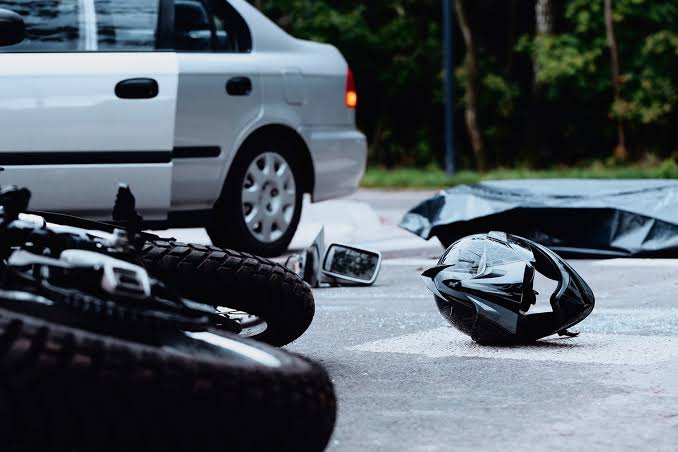

A motorcycle crash can happen in seconds, but proving what caused it can take much longer. On a busy Tacoma road, a driver may say they never saw the motorcycle, blame the rider, or remember the collision differently. The strongest claims are often built on evidence collected soon after the crash. For injured riders, speaking with a motorcycle accident lawyer in Tacoma can help preserve important evidence and explain how that evidence may support a claim.
Washington also uses a comparative fault system. If an injured person is found partly responsible for a crash, compensation may be reduced based on that person’s share of fault. That makes reliable evidence especially important when responsibility is disputed.
Photos Can Preserve the Crash Scene
Pictures can tell a story that words cannot.
If it is safe to do so, photographs of the crash scene should be taken as soon as possible. Useful pictures may show the positions of the motorcycle and other vehicles, damage to each vehicle, skid marks, debris, traffic signals, lane markings, road conditions, and nearby signs.
A rider or family member may also photograph nearby intersections, businesses, parking areas, and other locations where security cameras could have captured the collision.
Road conditions can matter in Tacoma. Rain, poor lighting, construction activity, blocked sight lines, or damaged pavement may help explain why a collision happened. Photographs taken before the scene changes can preserve details that may disappear within hours.
The Police Report Can Provide Important Details
A police investigation can provide valuable information about what happened. Officers may document the location, vehicles involved, visible damage, statements from drivers and witnesses, and other facts from the scene.
Washington law requires certain traffic collisions to be reported and establishes requirements for collision investigations. A police report may provide an important starting point for understanding the incident and identifying additional evidence.
However, an accident report does not automatically settle who is legally responsible for a crash. The facts surrounding the collision still matter. Statements from witnesses, photographs, video footage, medical records, and physical evidence may all provide additional information.
Witnesses Can Help When Stories Conflict
People who saw a motorcycle crash can provide an independent account of what happened.
A witness might have seen a driver turn across the motorcycle’s path, change lanes without checking, follow too closely, run a red light, or use a phone before the collision, as well as the traffic conditions and vehicle positions right before impact.
If possible, collect witness names and contact information at the scene. Even a partial description can help investigators locate them later.
Witnesses are especially helpful when drivers give conflicting accounts, as they can clarify who had the right of way or what each vehicle was doing before the crash.
Traffic Cameras and Security Video May Show What Happened
Video can be some of the clearest evidence in a motorcycle accident claim.
Tacoma has intersections, businesses, parking areas, homes, and public spaces where cameras may be operating. A nearby camera could capture the moments before impact, even if the camera is not located directly at the crash site.
The problem is that video may not be stored for very long. Businesses and other property owners may routinely overwrite older recordings as new footage is saved. Identifying possible cameras quickly can therefore be important.
Potential sources include traffic cameras, business security systems, residential cameras, dashcams, and surveillance systems at nearby properties.
An attorney may send preservation requests or take other legal steps to obtain footage before it disappears.
Motorcycle Damage Can Help Explain the Collision
The motorcycle itself can provide important evidence.
Photographs and inspection records may show the direction and force of impact. Damage to handlebars, forks, wheels, fairings, exhaust components, foot controls, and other parts may help explain how the collision occurred.
The other vehicle should also be examined. Paint transfer, dents, broken lights, and other damage can help connect the vehicles and identify the location of impact.
Do not repair or discard a heavily damaged motorcycle before its condition has been properly documented. In some cases, physical evidence may need to be preserved for inspection.
Medical Records Connect the Crash to the Injuries
Evidence in a motorcycle accident case is not only about fault; it also links the crash to injuries and losses. Medical records document treatment, severity, and recovery time, including emergency care, testing, surgery, therapy, and follow-ups. Because some injuries appear later, seeking prompt care is important. Keep medical bills and related receipts to show financial impact.
Keep the Motorcycle Helmet and Riding Gear
A damaged helmet, jacket, gloves, boots, or other riding gear can also serve as important evidence.
Do not throw away damaged protective equipment. Scrapes, cracks, tears, and impact marks can help document what happened during the crash. Take photographs before the items are cleaned or discarded.
The Washington Traffic Safety Commission provides motorcycle safety information and resources for riders across the state, including guidance focused on reducing serious motorcycle crashes. Washington Traffic Safety Commission motorcycle safety information
The condition of the gear may help show the force and nature of the impact, and compliance records may also become relevant when fault is disputed.
Electronic Evidence Can Reveal Driver Behavior
Electronic evidence can help show distracted driving.
If a driver says they were paying attention, phone records and other data may provide a clearer picture. Washington collision reports may also note possible distraction, including handheld device use.
Useful electronic evidence can include vehicle data, dashcam footage, GPS records, time-stamped photos, and messages sent after the crash.
These records are often hard to obtain alone, so legal counsel can help identify and request the right evidence.
Lost Income Should Also Be Documented
A serious motorcycle crash can affect much more than medical bills. An injured rider may miss work, lose overtime opportunities, use paid leave, or be unable to return to the same job.
Pay stubs, tax records, employment records, time sheets, and statements from an employer can help document lost income.
For longer-term injuries, additional evidence may be needed to explain how the injury affects future work. This can include medical opinions, vocational information, and financial documentation.
A Recovery Journal Can Preserve Details
A simple recovery journal can help preserve details that may otherwise be forgotten.
Write down pain levels, physical limitations, medical appointments, missed work, sleep problems, difficulty riding or driving, and changes to normal activities. Keep the entries factual and consistent.
This type of record does not replace medical documentation, but it can help show how an injury affects everyday life.
Why Evidence Matters in a Tacoma Motorcycle Claim
Motorcycle accident cases often involve disputed facts. The other driver may claim the motorcycle was speeding, a risk protection investigator may downplay injuries, and witnesses may disagree on what happened.
Strong evidence helps focus the case on facts instead of assumptions.
Key evidence includes traffic signals, vehicle positions, speed, visibility, road conditions, and driver behavior. Medical and financial records help show the impact of the crash.
The goal is to preserve evidence that answers three questions: what happened, who was responsible, and how the crash affected the rider.
Preserve Evidence Before It Disappears
Evidence can disappear quickly after a motorcycle crash. Vehicles get repaired, surveillance footage is overwritten, road conditions change, witnesses forget details, and online posts may be deleted or altered.
An injured rider should preserve photographs, medical records, bills, damaged gear, witness information, and any other relevant documents. Avoid guessing when speaking with risk protection company. If you do not know the answer, it is better to say so than to make an unsupported statement.
A Tacoma motorcycle accident can leave an injured rider dealing with medical treatment, lost income, property damage, and uncertainty about what comes next. Building a claim with reliable evidence helps establish what happened and document the full impact of the crash.
Preserving evidence early can be one of the most important steps after a serious motorcycle collision.