
Key Takeaways
- Start with how the space will be used, not with features or finishes.
- Measure the site before choosing a spa, deck, shelter, or pathway.
- Plan electrical access, drainage, service space, and safe entry points early.
- Privacy, lighting, shade, and wind protection can improve year-round comfort.
- Operating costs depend on insulation, water care, cover quality, usage, and local utility rates.
- A simple layout that is used often is usually better than a complicated design that feels inconvenient.
Table of Contents
- Start With the Purpose of the Space
- Measure the Site Before Making Decisions
- Choose a Layout That Supports Daily Use
- Plan Utilities, Drainage, and Service Access
- Add Privacy and Weather Protection
- Built-in Safety and Easy Access
- Control Long-Term Ownership Costs
- Make Maintenance Simple
- Avoid Common Planning Mistakes
- Use a Final Planning Checklist
- Conclusion
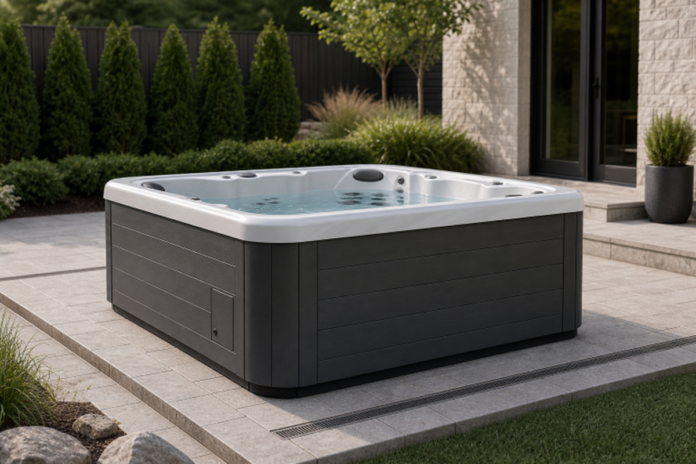
A well-planned backyard spa space can become one of the most frequently used parts of a home. Whether you are exploring bullfrog spas salt lake city options or simply gathering ideas for a future project, the best results start with daily habits, site conditions, and practical access rather than finishes alone.
The goal is not to create the largest or most elaborate retreat. It is to create a space that feels easy to reach, comfortable in changing weather, safe around water, and simple enough to maintain throughout the year.
1. Start With the Purpose of the Space
Begin by asking who will use the area and what a typical week looks like. A couple seeking quiet evening relaxation may prefer privacy, low lighting, and a small sitting area. A busy family may need wider paths, towel storage, durable surfaces, and enough room for people to move without crowding one another. Also consider whether the space will be used in winter, after exercise, or while entertaining guests.
2. Measure the Site Before Making Decisions
Take complete measurements before choosing equipment or starting construction. Record patio dimensions, overhead clearance below branches or rooflines, distances from the house and property lines, and the route needed for delivery or eventual replacement. Leave room around service panels, pumps, filters, and covers. A simple sketch on graph paper can reveal problems early. Before work begins, confirm local building rules, neighborhood restrictions, and utility requirements.
3. Choose a Layout That Supports Daily Use
Balance convenience with privacy
- Near the home: A convenient choice for cold, rainy, or late-night use.
- At the patio edge: Connects easily with seating, dining, and outdoor cooking areas.
- In a garden zone: Offers a quieter setting and more natural privacy.
- Near a pool or exercise area: Creates a broader wellness-focused destination.
Place the spa close enough that people will use it regularly, but not so close that wet traffic damages indoor flooring. Keep walking routes clear, especially between the house, storage area, and spa steps.
4. Plan Utilities, Drainage, and Service Access
Utility planning should happen before decking, walls, paving, or landscaping hides important components. A licensed professional can confirm electrical needs, while the supporting base should be level and engineered for the filled weight. Plan where splash water and drained water will go, and avoid low spots where standing water collects. Attractive finishes lose their value when they block service access or make routine cleaning difficult.
5. Add Privacy and Weather Protection
Privacy does not have to mean enclosing the entire area. Layered planting, slatted screens, fences, and movable panels can screen unwanted views while allowing air and light to pass through. A pergola, umbrella, or roof extension can provide shade, while a windbreak on the exposed side makes cool evenings more comfortable. The growing interest in backyard bathhouse design shows how soaking, rinsing, resting, and outdoor comfort can work together as one connected experience.
6. Build in Safety and Easy Access
Safety features work best when they are part of the first design, not last-minute additions. Choose slip-resistant surfaces around wet areas, stable steps with good lighting, and handholds where entry or exit could be difficult. Leave enough clearance to open the cover and walk around the spa safely. If children or pets can access the yard, use appropriate barriers or controls. Water temperature, supervision, and personal health considerations should always guide use.
7. Control Long-Term Ownership Costs
Budget beyond the initial purchase. Important cost categories include the base, electrical work, delivery access, paving or decking, privacy features, lighting, water treatment supplies, repairs, and replacement parts. Energy use can vary with climate, insulation, cover condition, wind exposure, water temperature, and frequency of use. Comparing expected operating costs helps prevent a lower initial price from becoming a more expensive long-term choice.
8. Make Maintenance Simple
A thoughtful layout reduces the effort needed for regular care. Store testing supplies, cleaning tools, and towels in a dry location nearby. Keep filters, pumps, and control panels easy to reach, and choose plants that do not drop heavy debris into the water. Understanding basic hot tub components, heating, and filtration can also make it easier to plan a realistic weekly care routine.
9. Avoid Common Planning Mistakes
- Choosing a location before confirming delivery access.
- Leaving too little clearance around service panels.
- Ignoring drainage until construction is complete.
- Placing the spa too far from the home for everyday use.
- Using smooth tile or polished stone in wet walking areas.
- Installing bright lights that create glare instead of comfort.
- Forgetting storage for covers, towels, and cleaning supplies.
- Designing mainly for guests while overlooking daily household needs.
10. Use a Final Planning Checklist
- The site and access route have been measured.
- The supporting surface can handle the filled weight.
- Electrical needs and drainage have been reviewed.
- Service areas remain reachable after installation.
- Privacy, shade, lighting, and weather protection fit the site.
- Walking surfaces, steps, and entry points are safe.
- Storage and weekly maintenance fit the household routine.
Conclusion
A useful backyard spa space does not need to be oversized or packed with features. Careful measurements, smart utility planning, safe surfaces, simple maintenance, and a layout that suits everyday life can turn an unused corner of the yard into a comfortable retreat for 2026 and beyond.