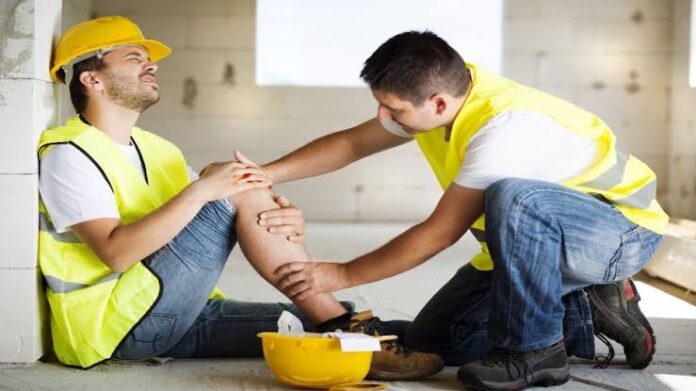

A workplace accident can turn an ordinary shift into weeks or months of medical treatment, missed paychecks, and uncertainty. For an injured worker trying to understand what comes next, a Bronx work accident attorney can help explain whether workers’ compensation is the only option or whether another party may also be legally responsible.
Work injuries in the Bronx can happen on construction sites, in warehouses, on delivery routes, in maintenance jobs, and in many other workplaces. Knowing how to respond after an accident can help protect medical records, evidence, and potential legal claims while an injured worker focuses on getting better.
A Work Injury May Involve More Than One Claim
Workers’ compensation is usually the first source of benefits for an employee injured while performing job duties. It can help pay for medical treatment and provide partial wage replacement without requiring the employee to prove that the employer caused the accident. But workers’ compensation is not always the end of the story.
Consider a Bronx construction worker who falls because a scaffold was not properly secured. The worker may have a workers’ compensation claim, but the facts could also raise questions about the property owner, contractor, or another company involved with the project. A third-party injury claim is different from workers’ compensation and may seek damages that workers’ compensation does not provide, such as compensation for pain and suffering. Whether such a claim exists depends on who caused the accident, what happened, and the laws that apply.
Construction Accidents Require a Closer Look
Construction workers face some of the most serious workplace hazards in New York. Falls from elevated surfaces, falling materials, unsafe ladders, defective equipment, and electrical hazards can result in life-changing injuries. For workers on projects throughout the Bronx, understanding how the accident happened can be important when determining what legal options may exist.
New York Labor Law Section 240, often called the Scaffold Law, addresses certain construction work involving elevation-related risks. The statute requires covered owners and contractors to provide appropriate safety devices for qualifying work and discusses equipment such as scaffolds, hoists, ladders, slings, pulleys, and other devices used to protect workers. New York Labor Law Section 240 explains these requirements in detail. The law does not mean every construction accident automatically creates a claim under Section 240. The type of work, how the accident occurred, equipment involved, and other facts must be examined.
Common Workplace Accidents in the Bronx
Work injuries are not limited to construction. The Bronx has workers in transportation, warehousing, building maintenance, manufacturing, delivery services, and many other fields. Each workplace has its own set of risks, and an accident can happen even when an employee is following normal procedures.
Common examples include:
- Falls from ladders, scaffolds, roofs, and elevated platforms
- Being struck by tools, equipment, inventory, or construction materials
- Forklift and warehouse collisions
- Machinery-related injuries
- Electrical accidents and serious burns
A delivery worker, for example, could be injured in a crash while traveling between job locations. A warehouse employee could suffer an injury after falling inventory strikes them. A maintenance worker could be hurt by exposed wiring or defective equipment. These situations may involve different parties and different legal questions depending on the circumstances.
What Should You Do After an Accident?
Medical care should come first after a serious workplace accident. Some injuries are immediately obvious, while others can develop or become more noticeable later. Following medical advice and attending recommended appointments can also create a clear record of the injury and treatment.
Once immediate medical needs are addressed, an injured worker should report the accident through the appropriate workplace process and keep copies of documents related to the incident. Photos of the scene, photographs of visible injuries, medical records, pay information, incident reports, and witness contact details may become useful later. It is also important not to make assumptions about who is responsible, since a property owner, contractor, equipment manufacturer, or another party may have contributed to the dangerous condition.
Why Preserving Evidence Matters
Worksites do not stay the same for long. Construction materials can be moved, damaged equipment can be repaired or removed, and conditions at a warehouse or commercial property can change. If evidence disappears, proving exactly what happened may become more difficult. Prompt documentation can therefore be important after a serious accident.
An investigation may look at photographs, safety records, equipment information, inspection documents, surveillance footage, witness accounts, and other records. Medical documentation can also help establish the nature of an injury and how it affects the worker’s ability to perform normal activities. Workers should keep copies of anything they receive about the accident, including correspondence from an employer or insurer, medical bills, work restrictions, accident reports, and wage information.
Workers’ Compensation vs. a Third-Party Lawsuit
The difference between workers’ compensation and a third-party injury claim is important for anyone seriously hurt at work. Workers’ compensation generally does not require an injured employee to prove fault. Instead, it provides benefits under the state’s workers’ compensation system. A third-party lawsuit generally involves proving that another party was legally responsible for the injury.
In some situations, an injured worker may be able to pursue both. For example, a construction employee could receive workers’ compensation benefits while also exploring a claim involving a property owner or contractor if the facts support one. The two claims have different rules, deadlines, proof requirements, and potential forms of compensation, so they should not be treated as interchangeable.
Serious Injuries Can Affect More Than a Paycheck
A workplace injury can create expenses that go well beyond the first hospital visit. A worker may need physical therapy, medication, follow-up appointments, surgery, or long-term care. A serious injury can also make it difficult to return to the same job or earn the same income.
Back injuries, traumatic brain injuries, fractures, burns, spinal injuries, and permanent disabilities can affect a person’s ability to work and participate in everyday activities. The financial effect can extend to the worker’s household, especially when the injured person is a primary wage earner. Workers’ compensation benefits can provide important support, but they operate differently from damages available through a personal injury lawsuit when a third party may be responsible.
Local Details Can Matter in a Bronx Case
The location of an accident can provide useful clues during an investigation. A construction project near the Grand Concourse may involve different contractors from a warehouse operation in Hunts Point. A delivery accident on the Cross Bronx Expressway can raise different questions from an injury caused by equipment inside a commercial building.
The people and businesses involved can matter just as much as the location. A worker may have one employer but perform duties at property controlled by another company. Equipment may come from a separate manufacturer or rental company. Identifying these relationships can help determine whether another party may have legal responsibility. For that reason, an injured worker should not assume that the employer’s insurance process is the only avenue available.
Understanding Your Options After a Bronx Work Injury
A serious workplace accident can leave someone worried about medical bills, lost income, job security, and the future. Taking the right steps early can make it easier to address those concerns. Start with medical care and proper accident reporting, preserve documents and evidence, and keep track of medical treatment and time missed from work.
For workers across Bronx, NY, understanding the difference between workers’ compensation and a possible third-party claim can be an important part of protecting their rights. Construction falls, falling objects, machinery accidents, electrical injuries, warehouse incidents, and work-related crashes can all raise different legal questions. No two workplace accidents are exactly alike, so a careful review of the facts can help an injured worker understand what happened, which parties may be involved, and what legal options may be available.
This article is intended for general informational purposes and does not provide legal advice. Workplace injury laws, deadlines, and available remedies depend on the specific facts of each case.