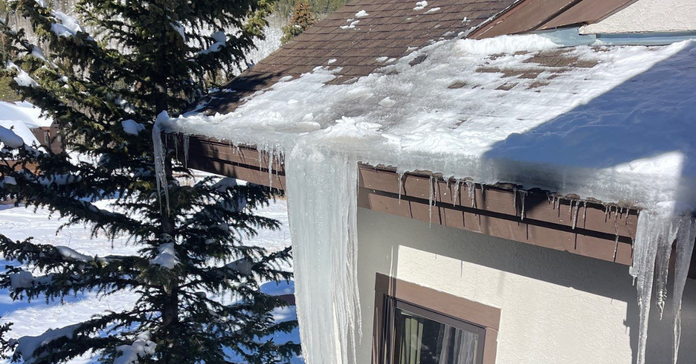

Northeast winters bring heavy snow, deep cold, and repeated freeze-thaw cycles. That combination can create ice dams at the eaves of otherwise solid shingle roofs. When a dam forms, meltwater pushes up under shingles and shows up indoors as stained drywall, peeling paint at exterior walls, or damp attic insulation near the soffit. Many homeowners assume the shingles failed. In reality, ice dams are mostly a building-science problem: excess heat escaping into the attic warms the roof deck, snow melts, and water refreezes at the colder overhangs. The durable fix aligns three pieces that work together: air sealing and insulation, balanced attic ventilation, and targeted waterproofing at vulnerable areas.
Why Ice Dams Form Even on New Asphalt Shingle Roofs
Ice dams happen when the roof surface is warm above the exterior walls but cold at the overhangs. Warm indoor air leaking around recessed lights, bath fan penetrations, and attic hatches heats the roof deck, melts snow, and sends water toward the eaves where it refreezes. Clogged gutters can worsen the backup, but they are not the root cause. If you are unsure whether you are dealing with ice dams or a shingle problem, an experienced Albany, NY Roofing contractor can help confirm the cause and identify where heat is escaping into the attic.
Air Sealing and Insulation Details That Change Roof Surface Temperature
Stopping warm air leaks into the attic reduces the melt-refreeze cycle that drives ice dams. Seal gaps around plumbing stacks, chimney chases, and electrical penetrations with fire-rated sealants where required, then insulate to recommended levels with blown-in cellulose or fiberglass batts. Add rigid foam over knee walls in Cape-style homes and weatherstrip the attic hatch. Install rafter baffles at the eaves before adding insulation so soffit vents remain clear. These small details keep the roof deck closer to outdoor temperature, which helps snow stay frozen instead of turning into a running sheet of water.
Consider a common scenario across the Capital Region: a mid-century house with new architectural shingles but older can lights under the attic. Those fixtures often leak heat. Replace them with insulation-contact rated LEDs, seal the old openings, and top up insulation while keeping baffles open. Many Saratoga County homes also have bath fans that terminate in the attic. Extend those ducts to the exterior with insulated vent hoses and a proper roof cap to prevent warm, moist air from fogging the underside of the sheathing.
Ventilation: Getting Intake and Exhaust to Work Together
Balanced ventilation keeps the attic dry and close to outdoor temperature. That means continuous soffit vents pulling in air and a ridge vent exhausting it along the peak. Without adequate intake at the eaves, a ridge vent will underperform. Use baffles to maintain a clear air channel from the soffit past the insulation. In snow country, consider a ridge vent with an external baffle and internal filter fabric that resists wind-driven snow while still moving air. Avoid mixing a powered attic fan with a ridge vent, which can short-circuit airflow and draw conditioned air from the living space.
Older homes may have decorative eave boards or layers of paint blocking soffit slots. In that case, even a brand-new ridge vent will struggle. Open the soffits and fit them with a continuous vent strip or individual round vents, and add a drip edge with an integrated vent if the eaves are shallow. If the house relies on gable vents, do not combine them with ridge vents unless a pro verifies the net free vent area and flow path work together. The goal is a predictable intake-to-exhaust path, not competing openings.
Waterproofing the Eaves, Valleys, and Penetrations for When Dams Happen
Even with good insulation and ventilation, a severe storm can overwhelm a roof. That is why waterproofing at high-risk spots matters. A self-adhered ice-and-water shield at the eaves seals to the roof deck and around nail penetrations, so backed-up water is less likely to reach the sheathing joints. Many installers run this membrane several feet up from the drip edge and also in valleys, around skylights, and at sidewalls. Paired with a proper gutter apron and metal drip edge, the membrane helps direct meltwater into the gutters instead of behind them.
Flashing details are equally important. Closed-cut shingle valleys shed water cleanly when aligned with underlayment, while woven valleys can trap debris under dense snow. Chimneys need step flashing integrated with the shingles and counterflashing let into the mortar, not just surface-sealed. Skylights benefit from factory flashing kits plus a surrounding ice barrier. These upgrades add cost, but compare that with the risk of interior repairs after a nor’easter. The trade-off is clear: better components at eaves and penetrations raise the upfront price but reduce the chance that an ice dam becomes a ceiling repair.
After a Snowstorm: Safe Steps and Fixes to Avoid
If you see thick ridges of ice at the overhangs or water stains near exterior walls, take safe, short-term steps while planning permanent improvements. From the ground, use a roof rake to pull down a few feet of snow above the eaves; do not climb on an icy roof or chip ice with metal tools, which can damage shingles and flashing. Avoid relying on heat cables as the primary fix; they can carve channels through dams, raise energy use, and don’t address the root causes. A better plan is year-round: clean gutters before winter, confirm bath fans vent outdoors, and have a pro assess ventilation and ice-and-water shield coverage during a dry-weather roof or attic inspection. Homeowners from Albany up through Saratoga County see fewer winter leaks when those fundamentals are in place.
Ice dams are not an unavoidable part of winter. They signal that air sealing, insulation, ventilation, and waterproofing need to work as one system. Address the heat leaks that warm your roof deck, make sure soffit intake and ridge exhaust are balanced, and upgrade eave and valley protection where it counts. Those steps keep meltwater from backing up under shingles and help your attic stay dry through repeated freeze-thaw swings. If you suspect a lingering problem after a storm, document what you see indoors and outdoors, then schedule an evaluation in fair weather so you can plan repairs and improvements well before the next snowfall.