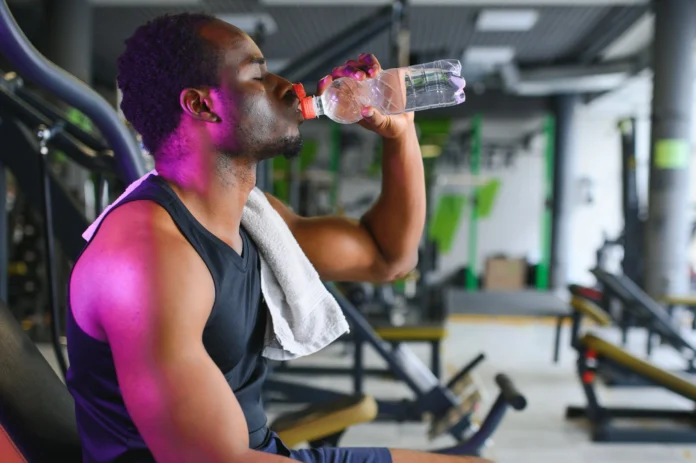

Hydration is one of the foundations of physical performance. Whether someone is lifting weights, running, cycling, playing a competitive sport, or completing a demanding fitness class, the body relies on adequate fluid to regulate temperature and support normal physical function.
Most people understand that drinking water is important. What receives less attention is the fact that workout hydration involves more than simply drinking as much water as possible.
Exercise duration, temperature, sweat rate, electrolytes, workout intensity, and individual physiology can all affect hydration requirements.
Understanding these factors can help athletes develop a more practical hydration strategy for their training.
Why Hydration Matters During Exercise
The human body produces heat during physical activity. Sweating is one of the primary mechanisms used to manage that heat.
As sweat evaporates from the skin, it helps cool the body. The process also means fluid is continually being lost during exercise.
How much someone loses varies significantly.
A short strength workout in an air-conditioned gym is very different from a long outdoor training session in hot weather. Two athletes completing exactly the same workout may also sweat at noticeably different rates.
If fluid losses become substantial, exercise can become more difficult. This is one reason athletes should think about hydration as part of their preparation rather than waiting until they feel extremely thirsty.
Why Water Is Still the Foundation
Despite the growing number of hydration supplements available, water remains fundamental.
Most everyday hydration needs can be addressed through regular fluid intake and a balanced diet.
Athletes should begin training reasonably hydrated rather than attempting to compensate for poor hydration by consuming a very large amount immediately before exercise.
Drinking excessively can also be counterproductive.
The goal is appropriate hydration, not simply maximum water consumption.
Longer or particularly demanding sessions can introduce additional considerations because sweat contains more than water.
Understand the Role of Electrolytes
Sweat contains electrolytes, including sodium.
This is why sports drinks and hydration products frequently contain electrolytes rather than water alone.
Whether someone needs additional electrolytes depends partly on the workout.
For shorter sessions under comfortable conditions, normal meals and water may be sufficient for many people. Longer training sessions, heavy sweating, or exercising in hot environments can increase fluid and electrolyte losses.
Individual differences matter as well.
Some athletes lose substantially more sodium through sweat than others. Someone who regularly finishes training with visible salt marks on clothing may have different hydration considerations from someone who sweats relatively little.
Hydrate Before the Workout Starts
A good workout hydration strategy begins before the first set or kilometer.
Trying to correct a significant fluid deficit halfway through training is not ideal.
Regular fluid consumption throughout the day can help athletes begin workouts in a better position.
The amount required varies according to body size, activity, climate, diet, and other factors.
There is therefore little value in assuming that every athlete needs exactly the same amount of water before exercise.
Instead, hydration should be treated as part of the wider preparation process alongside nutrition, sleep, warm-ups, and training plans.
Why Glycerol Is Used in Workout Supplements
Glycerol is an ingredient found in some sports nutrition and pre-workout products.
Its role differs from that of stimulants such as caffeine. Instead of primarily targeting alertness or energy, glycerol is used in connection with hydration and fluid retention.
Athletes encountering the ingredient for the first time may naturally wonder what does liquid glycerol do and why it appears in pre-workout formulas. Its primary role is related to hydration, as consuming glycerol with sufficient water can increase fluid retention and support a state of hyperhydration before demanding exercise.
This relationship with water is important. Glycerol should not be viewed as a substitute for adequate fluid intake.
Its use in sports nutrition is closely connected to consuming appropriate amounts of fluid.
Hydration and the Muscle Pump
Hydration can also influence the way muscles feel and appear during resistance training.
The familiar “pump” experienced during high-volume resistance exercise involves temporary changes occurring in working muscles.
This explains why some pre-workout products approach pumps through more than one mechanism.
Some ingredients are included to support blood flow, while glycerol is commonly associated with fluid retention and cellular hydration.
These are not necessarily interchangeable effects.
Athletes evaluating a pre-workout should therefore look at the complete ingredient profile instead of assuming every “pump” ingredient serves exactly the same function.
Consider Workout Duration
Hydration requirements can change dramatically according to how long someone trains.
A recreational 40-minute gym session does not create the same demands as a prolonged endurance event.
Long sessions provide more time for sweat losses to accumulate.
This becomes particularly important when exercise is performed outdoors or in warm conditions.
Athletes involved in endurance training may therefore need a more deliberate plan covering fluids, electrolytes, and potentially carbohydrates depending on the duration and intensity of the activity.
For ordinary gym sessions, the strategy may be considerably simpler.
The hydration plan should match the actual demands of the activity.
Temperature Changes Hydration Needs
Environmental conditions can have a major influence on fluid requirements.
Hot conditions generally increase the body’s need to dissipate heat, often resulting in greater sweating.
Humidity can add another challenge because sweat may evaporate less efficiently.
Indoor athletes should not automatically assume temperature is irrelevant. Gyms without effective cooling can become warm, particularly during crowded periods or intense sessions.
People traveling or training in a different climate should also recognize that their normal hydration routine may need adjustment.
Do Not Ignore Individual Sweat Rate
Generic hydration recommendations have limitations because people sweat differently.
One athlete might finish a workout with a nearly dry shirt while another looks as though they have just stepped out of the rain.
Body size, genetics, exercise intensity, fitness, clothing, environmental conditions, and acclimatization can all influence sweat rate.
Paying attention to personal patterns can therefore be more useful than blindly copying another athlete’s routine.
Someone who regularly experiences substantial fluid losses during long workouts may need a different strategy from someone completing short, low-sweat sessions.
Be Careful With Stimulant-Heavy Pre-Workouts
Hydration products and pre-workout supplements are not necessarily the same thing.
Some pre-workouts contain significant amounts of caffeine and other ingredients intended to increase energy or focus. Others may be stimulant-free and concentrate more heavily on pumps or hydration.
Always check the label.
Taking several products without examining overlapping ingredients can unintentionally increase the total intake of certain compounds.
Caffeine is a particularly obvious example because someone might consume coffee, energy drinks, and pre-workout within the same day.
Understanding the complete supplement routine is more useful than evaluating each product in isolation.
Remember That Supplements Are Only One Part of Performance
No hydration ingredient can compensate for consistently poor habits.
Sleep, nutrition, training structure, recovery, and everyday fluid intake all influence performance.
Supplements should therefore be considered additions to a sound routine rather than replacements for one.
Someone who regularly arrives at the gym dehydrated after sleeping poorly and eating inadequately is unlikely to solve the underlying problem with a single pre-workout ingredient.
Start with the fundamentals.
Once those are consistent, specialized products can be evaluated according to individual goals and training requirements.
Pay Attention to Your Body
Hydration needs can change from one workout to another.
A hard leg workout, long run, outdoor sporting event, and short recovery session place different demands on the body.
Athletes should pay attention to how they feel before, during, and after exercise.
Persistent problems such as dizziness, unusual weakness, severe headaches, or other concerning symptoms should not simply be treated as a sign that more supplements are needed.
Medical advice may be appropriate when symptoms are significant, recurring, or unexplained.
Build a Practical Hydration Routine
A useful hydration strategy does not need to be complicated.
Start workouts reasonably hydrated. Keep appropriate fluids accessible during training. Consider electrolyte losses when sessions are long, sweaty, or performed in hot conditions.
If using specialized hydration ingredients, understand what they are intended to do and follow the product instructions.
Most importantly, adjust the strategy to the actual training environment.
The person completing a short recreational workout does not necessarily need the same approach as an endurance athlete training for several hours.
Effective hydration is about matching fluid intake and preparation to individual demands.
Frequently Asked Questions
Is water enough for every workout?
Water may be sufficient for many shorter workouts, particularly when someone begins adequately hydrated and is exercising under comfortable conditions. Longer sessions, heavy sweating, and hot environments may create additional fluid and electrolyte considerations.
What is glycerol used for in pre-workout supplements?
Glycerol is commonly used to support fluid retention and hyperhydration when consumed with adequate water. In resistance training products, it is also associated with increased muscle fullness during workouts.
Is glycerol the same as an electrolyte?
No. Glycerol and electrolytes serve different purposes. Electrolytes such as sodium are involved in fluid balance and other physiological functions, while glycerol is used in sports nutrition for its relationship with fluid retention.
Does glycerol replace drinking water?
No. Glycerol’s hydration-related use depends on consuming sufficient fluid. It should not be considered a substitute for water.
Why do bodybuilders use glycerol?
Bodybuilders commonly use glycerol-containing products to support hydration and the fuller muscle appearance associated with training pumps.
Do I need electrolytes for weight training?
Not necessarily. Requirements depend on factors such as workout duration, sweat rate, temperature, diet, and individual needs. Someone completing a short workout may have different requirements from an athlete training for several hours.
Should I drink as much water as possible before exercising?
No. More is not automatically better. Hydration should be appropriate for the individual and activity rather than based on consuming the maximum possible amount immediately before exercise.
Does hot weather increase hydration requirements?
It can. Exercising in heat often increases sweating, which can increase fluid and electrolyte losses. Humidity, workout intensity, clothing, and individual sweat rate can also influence requirements.
Can pre-workout supplements replace good nutrition and hydration?
No. Supplements can complement an established routine, but they do not replace adequate nutrition, regular hydration, sleep, recovery, and appropriate training.
When should I pay closer attention to workout hydration?
Hydration deserves additional attention during prolonged exercise, high-intensity sessions, heavy sweating, outdoor training, and exercise in hot or humid environments.