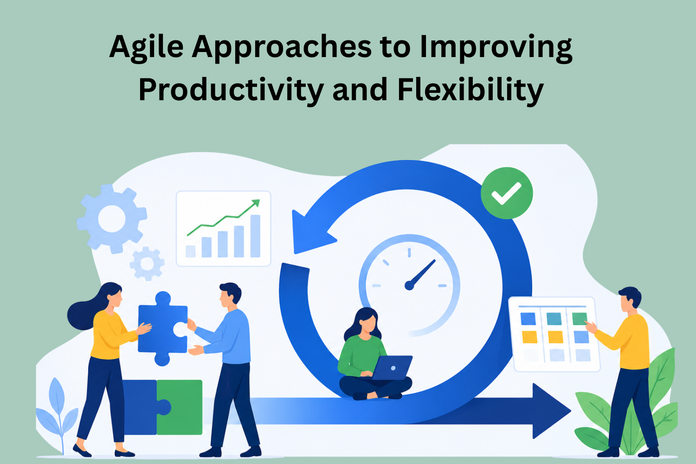

What happens when teams need to complete work faster while also dealing with changing priorities? Fixed plans and slow decisions can make it harder to maintain productivity. Agile Training can help professionals learn practical ways to organise tasks and respond quickly to change. These approaches help teams to stay focused while adjusting their work when business needs change.
Agile approaches encourage shorter work cycles and clear priorities. They can help teams improve productivity and deliver value more consistently. In this blog, we will explore the Agile approaches that can make teams more productive and flexible.
Table of Contents
- Agile Approaches That Boost Productivity and Flexibility
- Conclusion
Agile Approaches That Boost Productivity and Flexibility
The following Agile approaches can help teams work more efficiently, respond to change and maintain steady progress towards important goals:
Work in Shorter Cycles
Large projects can become difficult to manage when teams wait months to review progress. Agile methods divide work into shorter cycles. This allows teams to focus on smaller and more manageable goals.
At the end of each cycle, teams can review what they have achieved. They can then decide what needs attention next. This approach supports Agile project management by keeping work focused and easier to adjust.
Short cycles can also help teams identify problems earlier and avoid wasting time on unnecessary work. Agile Training can help professionals understand how shorter cycles support focused work and regular progress reviews.
Prioritise Work That Creates Value
Being productive does not always equate to being busy. Teams may complete many tasks without making meaningful progress towards business objectives.
Agile methods encourage teams to focus on the work that adds the most value. Teams prioritise important work, while less critical tasks can wait.
Employees can better understand where to concentrate their efforts when tasks are clearly prioritised. This can increase team output while cutting down on time spent on pointless tasks. As a result, teams can use their time and resources more effectively.
Make Feedback Part of Everyday Work
Waiting until the end of a project for feedback can create expensive problems. Agile teams gather feedback regularly throughout the work process.
Customers and team members can review progress and share useful observations. Teams can then make improvements while the work is still developing.
Regular feedback supports continuous improvement and keeps outcome aligned with expectations. It also gives teams greater flexibility because changes can be introduced gradually.
Build Stronger Team Collaboration
How much time is lost when people work separately and important information does not reach the right person? Poor communication can quickly reduce productivity.
Agile working encourages frequent communication and shared responsibility. Short meetings can help everyone understand current progress, upcoming priorities and possible challenges.
Better team collaboration also makes it easier to solve problems. Instead of waiting for information to move through several levels, team members can communicate directly. This supports faster decisions.
Respond to Change Without Losing Direction
Business priorities rarely remain unchanged from beginning to end. Customer expectations can shift. New technology can appear. Market conditions can also influence what organisations need.
Agile methodologies help teams respond to these changes without completely losing sight of their goals. Teams can review and adjust plans as new information becomes available. Knowledge gained through Agile Training can help teams respond to changing priorities while remaining focused on valuable outcomes.
This creates greater business agility because teams are not restricted by an outdated plan. They can adapt their priorities while continuing to focus on valuable outcomes.
Make Work More Visible
It is difficult to improve productivity when nobody has a clear view of what is happening. Agile teams often make tasks and progress visible so that everyone understands the current workload.
A shared view of work can show what is planned, what is currently being completed and what has already been finished. This improves workflow management and makes potential delays easier to notice.
Greater visibility can also prevent duplicated effort. Team members know who is responsible for each task and where support may be required.
Give Teams More Ownership
Constantly waiting for approval can slow even simple tasks. Agile approaches help teams take greater responsibility for how they complete their work.
When people have clear goals and suitable authority, they can make everyday decisions more quickly. This can improve employee productivity and accountability. Greater ownership also supports flexibility.
Conclusion
Productivity improves when teams can focus clearly, communicate regularly and adjust their work without unnecessary delays. Agile creates this balance through smaller tasks, short cycles, customer feedback and flexible planning. These approaches help organisations become more responsive while keeping valuable work moving forward.
Professionals can strengthen these practical skills through Agile Training from The Knowledge Academy, the best training provider for building relevant workplace knowledge and Agile capabilities.