
Understanding Ethically Sourced Luxury Jewelry: Materials and Quality Standards
The foundation of any exquisite diamond bangle lies in its materials. For those seeking ethically sourced luxury jewelry, understanding the nuances of gold purity, diamond quality, and the origin of these precious components is paramount. This section delves into the critical aspects of materials and quality standards that define a truly valuable and responsible diamond bangle.
Ethical Sourcing and Sustainability in Ethically Sourced Luxury Jewelry
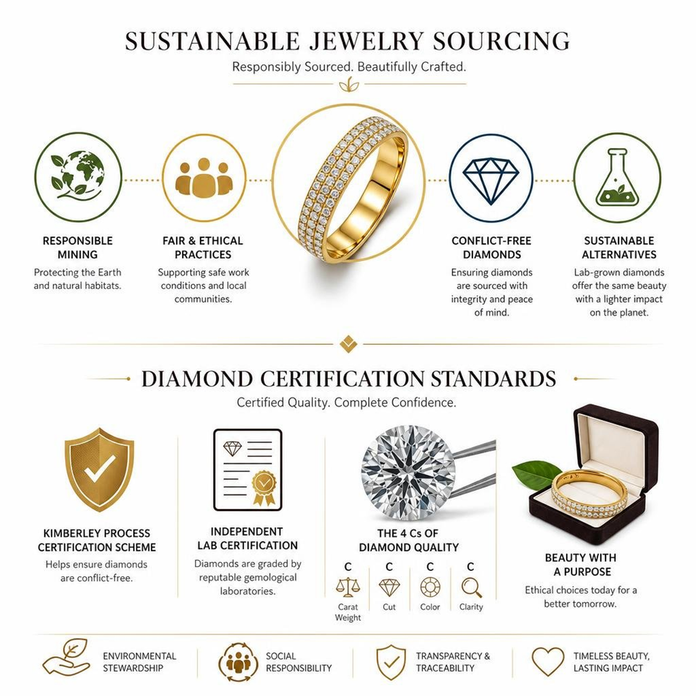
The journey of a diamond, from earth to adornment, is increasingly under scrutiny. Today’s consumers are rightly concerned about the environmental and social impact of their purchases. Ethical sourcing in luxury jewelry means ensuring that diamonds are conflict-free, meaning they have not funded armed conflict, and that gold is mined responsibly, adhering to fair labor practices and minimizing ecological damage.
The industry has made significant strides in promoting conflict-free diamonds through initiatives like the Kimberley Process Certification Scheme. However, ethical considerations extend beyond this. Responsible mining practices aim to reduce environmental footprint, including water pollution and habitat destruction, while supporting the well-being of local communities.
For those seeking alternatives to traditionally mined diamonds, lab-grown diamonds offer a compelling choice. These diamonds possess the same chemical, physical, and optical properties as natural diamonds but are created in controlled laboratory environments, often with a reduced environmental impact. They represent a sustainable option that aligns with modern ethical values.
When exploring options for diamond bangles, we encourage buyers to inquire about the provenance of both the diamonds and the gold. Many reputable jewelers now provide detailed information on their supply chains, ensuring traceably sourced gems and metals. This commitment to environmental accountability and social responsibility is a hallmark of truly ethically sourced handcrafted pieces available in the market today. By choosing such pieces, we contribute to a more sustainable and equitable future for the jewelry industry.
Diamond Quality Grades and Certification in Fine Bangles
When investing in diamond bangles, understanding diamond quality is crucial. The industry standard “4 Cs” – Carat, Cut, Color, and Clarity – provides a comprehensive framework for evaluating a diamond’s value and beauty.
Carat Weight: This refers to the diamond’s weight, not its size. Diamond bangles often feature multiple smaller diamonds, and the total carat weight (ct) indicates the combined weight of all diamonds in the piece. For instance, a “Diamond Shinning Bangle” might contain 0.90 ct of diamonds, while an “Elegant Diamond Bangle” could boast 4.57 ct. Higher total carat weight generally correlates with a higher price.
Cut: While less frequently emphasized for smaller accent diamonds in bangles, a good cut ensures maximum brilliance and sparkle. For larger, prominent diamonds, the cut quality is paramount.
Color: Diamond color is graded on a scale from D (colorless) to Z (light yellow or brown). For high-end diamond bangles, buyers often look for diamonds in the E-F color range, which are considered colorless and command a premium due to their exceptional brightness. Diamonds graded IJ-SI, while still beautiful, will have a slightly warmer tint that is often imperceptible to the untrained eye and can offer a more accessible price point.
Clarity: This refers to the presence of internal inclusions (blemishes) or external flaws. The clarity scale ranges from Flawless (FL) to Included (I). VVS (Very Very Slightly Included) clarity denotes very high purity, with inclusions so minute they are extremely difficult for a skilled grader to see under 10x magnification. This is a top-tier clarity grade often found in traditional Indian diamond bangles, paired with E-F color diamonds. Other common grades include VS (Very Slightly Included) and SI (Slightly Included), which offer excellent value with inclusions that are typically not visible to the naked eye.
Certification: Always request a diamond certificate when purchasing gold diamond bangles. Reputable independent laboratories like the Gemological Institute of America (GIA) or the International Gemological Institute (IGI) provide detailed reports on a diamond’s 4 Cs, ensuring authenticity and quality. This certification is vital, especially for VVS clarity and E-F color diamonds, as it independently verifies the jeweler’s claims.
Gold Purity: Diamond bangles are typically crafted in 14K, 18K, or 22K gold.
- 22K Gold: Traditionally preferred in Indian jewelry design, 22K gold (91.6% pure gold) is known for its rich, deep yellow luster. While beautiful, its higher purity makes it softer and more prone to bending or scratching.
- 18K Gold: Comprising 75% pure gold, 18K gold offers a good balance of purity and durability. It’s a popular choice for diamond settings as it securely holds the stones while maintaining a luxurious feel.
- 14K Gold: With 58.3% pure gold, 14K gold is the most durable option, offering higher resistance to bending and scratch damage, making it ideal for daily wear pieces. It also tends to be more affordable.
Regardless of the purity, ensure the gold is hallmarked, which guarantees its authenticity and adherence to specified standards. The choice between 14K, 18K, and 22K often comes down to a balance between desired gold purity, durability for daily wear, and budget.
Design Styles and Key Trends in Fine Bangles
Diamond bangles are not just about sparkle; they are also about artistry and personal expression. The market in August 2026 offers an astonishing array of design styles, catering to every taste, from the understated to the opulent. Understanding these styles helps in choosing a piece that truly resonates with individual preferences and lifestyle.
Design Trends in Ethically Sourced Luxury Jewelry
Contemporary diamond bangle designs often lean towards a minimalist aesthetic, emphasizing clean lines and subtle elegance. These pieces are designed for versatility, perfect for daily wear and layering with other bracelets. The focus is on allowing the diamonds to shine without excessive embellishment.
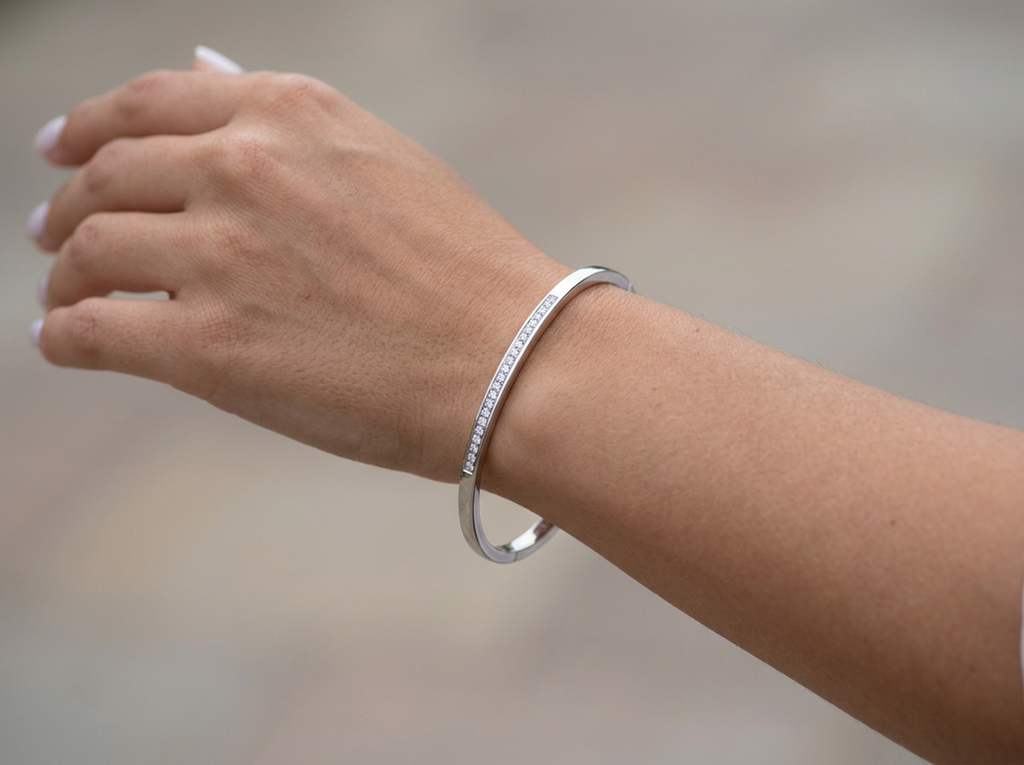
Open-cuff designs have gained significant popularity for their modern appeal and practical adjustability. These bangles often feature diamonds set at the terminals or along the open section, offering a chic, contemporary look that can be easily slipped on and off. Some modern bangles, particularly in the demi-fine category, utilize innovative materials like 316L stainless steel with PVD (Physical Vapor Deposition) coating. This technology creates an anti-tarnish, water-resistant, and hypoallergenic finish, making these textured bangles incredibly durable for everyday wear. PVD coating lasts significantly longer than traditional electroplating, offering enhanced longevity for a modern, active lifestyle.
The rise of ethically sourced luxury jewelry has also influenced design, with a greater appreciation for natural forms and understated elegance that highlights the intrinsic beauty of the materials. Designers are increasingly creating pieces that are both visually stunning and consciously crafted, reflecting a blend of modern aesthetics and responsible practices.
Traditional and Heritage Bangle Designs
In contrast to modern minimalism, traditional and heritage bangle designs draw inspiration from rich cultural legacies, particularly in regions like India. These styles often feature intricate goldwork and elaborate diamond settings, making them ideal for festive occasions and bridal wear.
- Kada Styles: These are typically broader, more substantial bangles, often featuring elaborate designs, sometimes with a hinge and clasp for easy wear. They can be adorned with a single row of diamonds or intricate patterns.
- Temple Jewelry: Inspired by the ornate carvings and deities found in South Indian temples, these bangles are characterized by their heavy gold construction, often depicting goddesses, peacocks, or floral motifs, with diamonds integrated into the design.
- Antique Finish: Bangles with an antique finish often feature oxidized gold or a matte texture, giving them a vintage appeal. These pieces might incorporate uncut diamonds (Polki or Rose Cut) for a rustic yet luxurious look.
- Close Setting: This refers to a traditional method where diamonds are set very closely together, often without visible prongs, creating a continuous surface of sparkle. Pacheli bangles, a specific type of traditional Indian bangle, are also known for their intricate designs and often feature diamonds in close settings.
Many traditional designs are crafted in 22K gold, reflecting a preference for high purity and a rich yellow luster that complements the diamonds. These heritage pieces are often considered family heirlooms, passed down through generations, symbolizing cultural continuity and enduring beauty. Whether one prefers the sleek lines of a modern open cuff or the elaborate artistry of a traditional kada, diamond bangles offers a design to suit every narrative.
Comprehensive Buying Guide: Sizing, Pricing, and Customization
Acquiring a diamond bangle is a significant investment, and making an informed decision requires a thorough understanding of sizing, pricing structures, and available customization options. This section aims to demystify these crucial aspects, empowering you to choose a bangle that fits perfectly, aligns with your budget, and reflects your personal style.
Determining Accurate Bangle Sizing and Fit
A perfectly fitting bangle is essential for both comfort and security. Unlike rings, bangles need to pass over the widest part of your hand (usually the knuckles) but then sit comfortably on your wrist without being too loose.
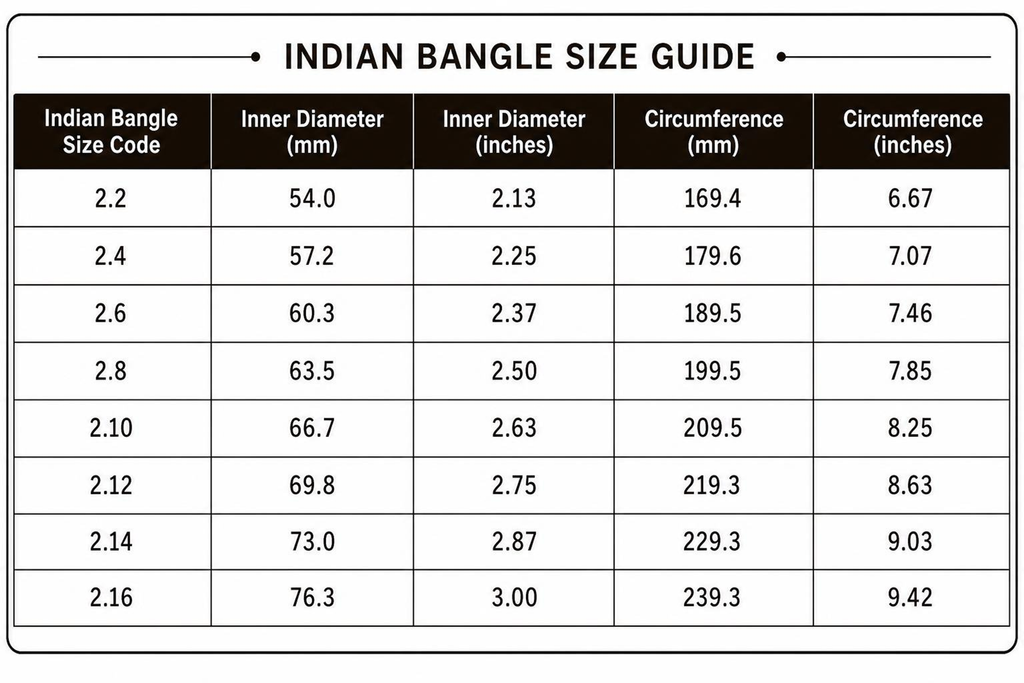
Standard bangle sizing can vary, but a common system, particularly in India, correlates size codes with inner diameter measurements in millimeters. Here’s a general guide:
Indian Bangle Size Code Inner Diameter (mm) Inner Diameter (inches) Circumference (mm) Circumference (inches) 2.2 54.0 2.13 169.4 6.67 2.4 57.2 2.25 179.6 7.07 2.6 60.3 2.37 189.5 7.46 2.8 63.5 2.50 199.5 7.85 2.10 66.7 2.63 209.5 8.25 2.12 69.8 2.75 219.3 8.63 2.14 73.0 2.87 229.3 9.03 2.16 76.3 3.00 239.3 9.42
To measure your wrist for a bangle:
- Measure your hand: Close your fingers together, bringing your thumb and pinky finger together. Use a measuring tape to measure the circumference of the widest part of your hand (usually around the knuckles).
- Measure an existing bangle: If you have a bangle that fits well, measure its inner diameter with a ruler. This is often the most accurate method.
- Use a printable sizer: Many online jewelers offer printable sizing guides that you can cut out and use to determine your size.
Open-cuff bangles offer more flexibility in sizing due to their adjustable nature, making them a popular choice for those unsure of their exact size or seeking a versatile fit. Always confirm the jeweler’s specific sizing chart, as slight variations can occur.
Transparent Pricing and Customization Breakdown
The price of a diamond bangle is influenced by several factors, and understanding the component rate breakdown is key to evaluating its true value. Reputable jewelers provide transparent pricing, itemizing costs for:
- Gold Weight and Purity: The current market rate of gold significantly impacts the final price. The weight of the gold in grams and its purity (14K, 18K, or 22K) are direct cost drivers. For example, a bangle weighing 20.090 grams in 18K gold will have a substantial portion of its price attributed to the gold’s value.
- Diamond Carat Weight and Quality: This includes the total carat weight of all diamonds, as well as their individual quality grades (Cut, Color, Clarity). Higher carat weight and superior grades (like VVS clarity and E-F color) will increase the diamond valuation.
- Making Charges (Craftsmanship): This is the cost of designing, crafting, and setting the diamonds in the bangle. Making charges can vary significantly based on the complexity of the design, the intricacy of the setting, and the artisan’s skill.
- Taxes: Localized taxes, such as a 3% GST in some regions, are added to the total.
By reviewing this itemized price breakup, buyers can understand where their money is being allocated and compare value across different pieces.
Customization Options: Many jewelers offer extensive customization for diamond bangles, allowing you to create a truly unique piece. Common customization choices include:
- Gold Color: Selecting between yellow gold, white gold, or rose gold to match personal preference or existing jewelry.
- Gold Purity: Choosing 14K, 18K, or 22K gold based on desired durability and aesthetic.
- Diamond Quality: Opting for specific diamond grading options, such as IJ SI, GH SI, GH VS, GH VVS, or EF VVS, to align with budget and desired brilliance. Some jewelers even offer a choice between natural and lab-grown diamonds.
- Engraving: Personalizing the bangle with a special date, initials, or a meaningful message.
- Design Modifications: Adjusting elements of the design, such as adding color stones, changing the setting style, or altering the width of the bangle.
Confirming customization options and their impact on pricing upfront ensures that the final piece perfectly meets your expectations.
Occasions, Care, and Investment Value
Diamond bangles are more than just accessories; they are often cherished possessions that mark significant life events. Understanding how to style them for various occasions, maintain their brilliance, and appreciate their long-term value is crucial for any owner.
Caring for and Maintaining Fine Diamond Bangles
Proper care and maintenance are essential to ensure your diamond bangles retain their sparkle and last for generations. Diamonds, while incredibly hard, can still get dirty, and gold can tarnish or scratch.
- Regular Cleaning: For everyday cleaning, gently wipe your bangles with a soft, lint-free cloth. For a deeper clean, soak them in a solution of warm water and a mild detergent (like dish soap) for 15-20 minutes. Use a soft brush (like a soft-bristled toothbrush) to gently scrub around the diamonds and in crevices. Rinse thoroughly under running water and dry with a clean, soft cloth.
- Professional Cleaning: Consider professional cleaning by a jeweler once a year. They can use specialized equipment, such as ultrasonic cleaners, to remove stubborn dirt and check for any loose settings.
- Avoid Harsh Chemicals: Remove your bangles before engaging in activities involving harsh chemicals, such as cleaning, gardening, or swimming in chlorinated water, as these can damage the gold and dull the diamonds.
- Storage: Store your diamond bangles separately from other jewelry in a fabric-lined jewelry box or a soft pouch to prevent scratches. Secure clasps before storing to avoid tangling.
- Handling: Always handle bangles by the metal, not the diamonds, to avoid transferring oils from your skin to the stones, which can diminish their brilliance. Check the security of clasps and settings periodically.
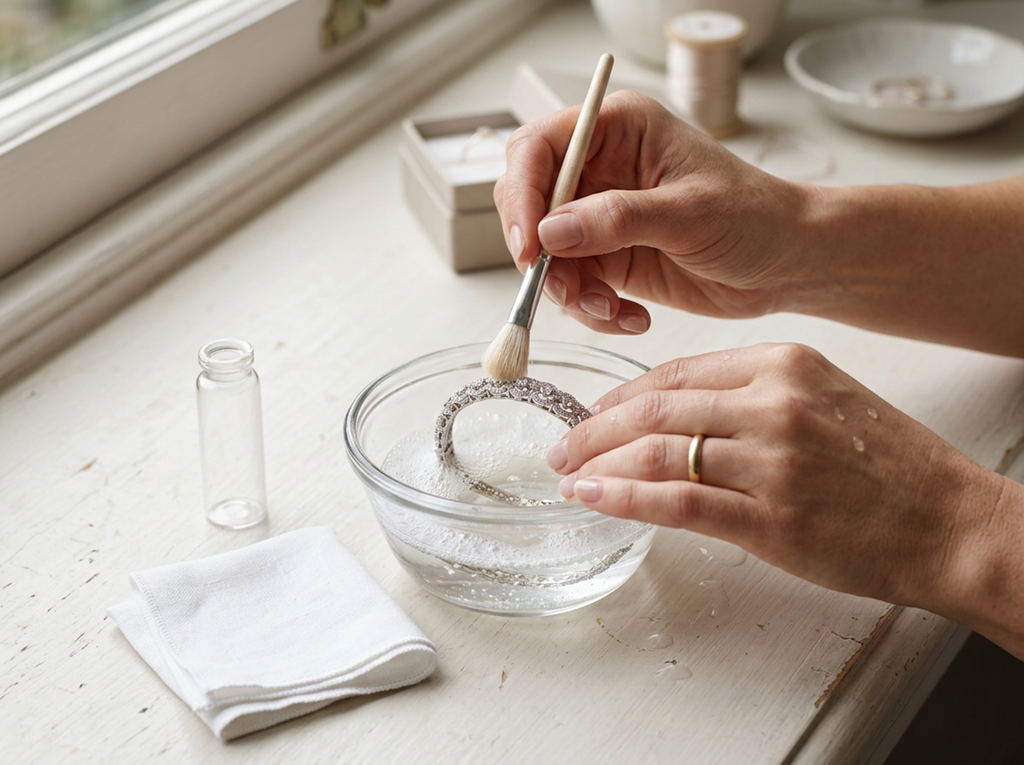
For modern bangles made with PVD-coated stainless steel, while they are often water-resistant and anti-tarnish, gentle cleaning is still recommended to maintain their finish.
Style Versatility, Investment Value, and Online Purchasing Policies
Diamond bangles offer remarkable style versatility, making them suitable for a wide range of occasions:
- Daily Wear: Minimalist designs, open-cuff bangles, and those crafted in more durable 14K gold are perfect for everyday elegance. Their understated sparkle can elevate casual outfits or complement professional attire.
- Festive Events and Celebrations: More elaborate diamond bangles, especially those in traditional kada or close-setting styles, are ideal for festivals, family gatherings, and other celebratory occasions.
- Weddings and Bridal Wear: For brides, diamond bangles are a quintessential part of their trousseau. Intricate designs, often in 22K or 18K gold with high-quality diamonds, add a touch of timeless luxury to bridal ensembles.
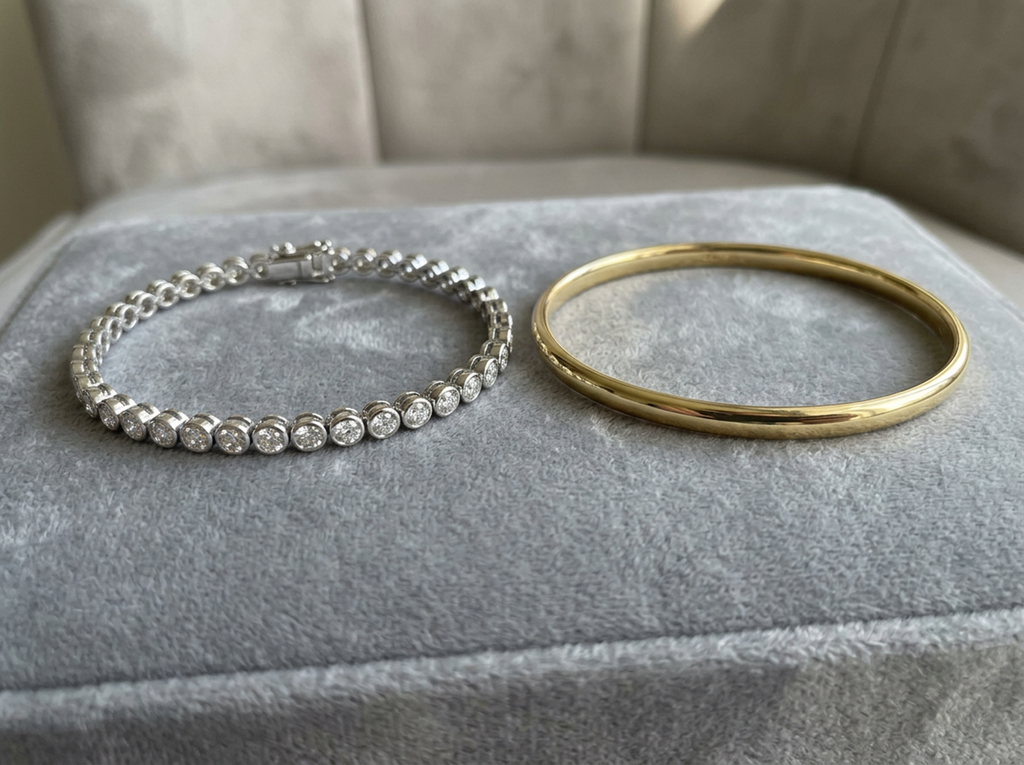
Investment Value: When comparing diamond bangles to solid gold bangles, both hold intrinsic value, but their investment profiles differ.
- Solid Gold Bangles: Their value is primarily tied to the gold melt value, which fluctuates with market prices. 22K gold bangles, with their higher purity, generally command a higher melt value.
- Diamond Bangles: The investment value of diamond bangles is a combination of the gold’s value and the diamonds’ value. High-quality, certified diamonds (especially VVS clarity, E-F color) tend to retain their value better than lower-grade stones. However, the resale market for individual diamonds can be complex, and they often do not appreciate in value like some other investments. Their true value often lies in their aesthetic appeal, emotional significance, and craftsmanship. While not typically considered a volatile investment, they represent a tangible asset and a timeless piece of luxury.
Online Purchasing Policies: When buying diamond bangles online, understanding the retailer’s policies is crucial for a secure and satisfying experience. Always look for:
- Return and Exchange Policy: A clear and generous return window (e.g., 30 days) allows you to inspect the bangle in person and ensure it meets your expectations. Understand any conditions for returns, such as original packaging and tags.
- Warranty: A manufacturer’s warranty protects against defects in craftsmanship or materials for a specified period. This demonstrates the jeweler’s confidence in their product.
- Certification: Ensure that diamond certification (GIA, IGI) is provided with the purchase, especially for high-value pieces.
- Shipping and Insurance: Verify that shipping is insured and that the packaging is discreet and secure. Some established jewelers, for instance, offer free shipping on orders over a certain amount, like $250.
By being diligent about these policies, you can enjoy the convenience of online shopping with peace of mind.
Frequently Asked Questions About Diamond Bangles
We understand that choosing the perfect diamond bangle can involve many considerations. Here, we address some of the most common questions buyers have, providing concise and informative answers to guide your decision-making process.
What diamond quality and certification details should I look for when buying diamond bangles?
When purchasing diamond bangles, especially for significant pieces, prioritize certified diamonds. Look for a reputable diamond certificate from independent grading laboratories such as the GIA (Gemological Institute of America) or IGI (International Gemological Institute). These certificates provide an unbiased assessment of the diamond’s 4 Cs: Carat, Cut, Color, and Clarity.
For high-quality bangles, we recommend looking for diamonds in the E-F color range (colorless) and VVS clarity (Very Very Slightly Included) for exceptional brilliance and purity. If you’re working with a more flexible budget, IJ-SI (near colorless, slightly included) diamonds offer great value and still present beautifully. Additionally, decide whether you prefer natural diamonds or lab-grown diamonds, as both are available with certifications and offer distinct advantages. Finally, ensure the gold itself is hallmarked, guaranteeing its purity (e.g., 18K or 22K).
How do I accurately measure my wrist to find the correct diamond bangle size?
Accurate sizing is key for comfort and security. The most reliable way to determine your bangle size is to measure the inner diameter of an existing bangle that fits you well, using a ruler. If you don’t have one, you can measure your hand: close your fingers together, bringing your thumb and pinky finger to touch, and then measure the circumference of the widest part of your hand (usually around the knuckles) using a flexible measuring tape.
Once you have this measurement, you can refer to standard bangle sizing charts, which often correlate these measurements to Indian size codes (e.g., size 2.2, 2.4, 2.6, up to 2.16). For example, an Indian size 2.4 bangle typically has an inner diameter of 57.2 mm. Always check the specific sizing guide provided by your jeweler, as there can be slight variations. Open-cuff designs offer more flexibility and adjustability.
How do diamond bangles compare to solid gold bangles in durability and investment value?
Diamond bangles and solid gold bangles both represent valuable assets, but their characteristics differ.
Durability:
- Solid Gold Bangles: The durability depends on the gold’s purity. 22K gold is softer and more prone to scratches and dents, while 18K and especially 14K gold offer greater resilience for daily wear.
- Diamond Bangles: The gold setting’s durability follows the same principles. The diamonds themselves are the hardest natural substance, making them extremely durable against scratching. However, the security of the diamond settings (prongs, bezel) is crucial. For daily wear, 14K gold settings offer the best resistance to bending and damage, ensuring the diamonds remain secure.
Investment Value:
- Solid Gold Bangles: Their investment value is primarily tied to the gold melt value, which fluctuates with global gold prices. Higher purity gold (like 22K) will have a higher melt value per gram.
- Diamond Bangles: Their investment value is a combination of the gold’s value and the diamonds’ value. High-quality, certified diamonds (e.g., VVS clarity, E-F color) tend to retain their value better than lower-grade stones. However, the resale market for diamonds can be less liquid than for pure gold, and diamonds typically do not appreciate significantly over time as a pure financial investment. Their value often lies more in their aesthetic appeal, craftsmanship, and sentimental significance.
While both are valuable, solid gold bangles offer a more direct correlation to commodity prices, whereas diamond bangles combine the intrinsic value of gold with the unique beauty and craftsmanship of diamond jewelry, making them a luxurious and enduring personal asset.
Conclusion
The world of diamond bangles in August 2026 is a captivating blend of timeless elegance and evolving consumer values. From the rich luster of 22K gold to the sophisticated sparkle of VVS clarity, E-F color diamonds, these pieces continue to symbolize luxury and personal expression. As we’ve explored, the modern discerning buyer seeks not only exquisite beauty but also the assurance of ethical sourcing and transparent quality standards.
Understanding the diverse types of bangles, from traditional kada styles to contemporary open cuffs, allows for a choice that perfectly complements individual taste and lifestyle. Delving into diamond quality, gold purity, and the importance of certification empowers us to make informed decisions. Furthermore, grasping the nuances of sizing, transparent pricing, and customization options ensures that each purchase is a perfect fit, both aesthetically and financially.
By embracing proper care and maintenance, your diamond bangles will retain their brilliance for years to come, becoming cherished heirlooms. Whether worn for daily elegance, festive celebrations, or as a statement of bridal splendor, their versatility is undeniable. In an era where conscious consumption is paramount, choosing diamond bangles that align with ethical sourcing standards elevates their value beyond mere adornment.
We invite you to explore the curated collections available, confident in the knowledge that you are selecting a piece that embodies both exquisite craftsmanship and sustainable elegance.