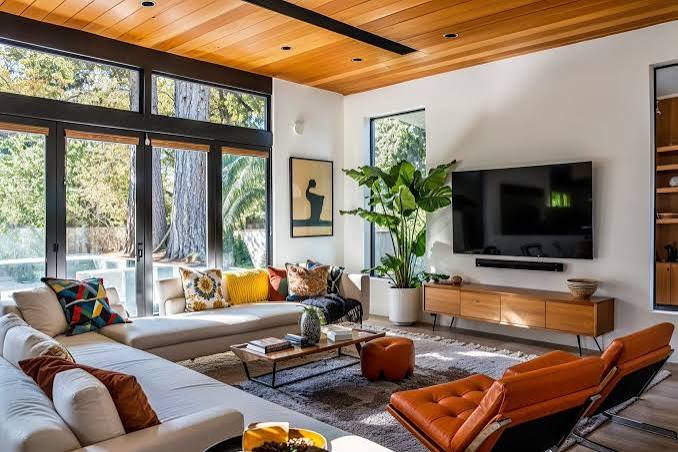

Modernizing a home does not have to mean tearing rooms apart, replacing every finish, or chasing the latest design trend. In many cases, the most effective improvements come from identifying what already works and upgrading the parts that affect daily comfort, appearance, and functionality the most. Something as focused as better storage, updated fixtures, or expert advice on light placement and design can change how a familiar room looks and feels without requiring a complete transformation.
This approach also makes home improvement easier to manage. Instead of treating an older interior as something that needs to be completely replaced, homeowners can look at each space individually and decide where targeted changes will have the greatest effect. The result can feel noticeably more current while still preserving the character and useful features that made the home appealing in the first place.
Keep What Still Earns Its Place
One of the easiest ways to overspend on a renovation is to assume that everything old needs to go. Cabinets may look dated because of their hardware rather than their construction. Hardwood flooring may need refinishing rather than replacement. A room that feels awkward might have perfectly usable walls, windows, and architectural details but simply need better furniture placement or lighting.
Before planning major demolition, it helps to separate cosmetic problems from functional ones. Scratched surfaces, outdated colors, worn fixtures, and old-fashioned hardware can often be addressed relatively easily. Structural problems, poor layouts, inadequate storage, or failing systems deserve more attention because they affect how the home works rather than just how it looks.
Keeping useful elements can also give a renovated room more personality. A home where every surface is completely new can sometimes lose the details that gave it warmth and individuality. Combining selected original features with carefully chosen updates often creates a more natural result.
Let Lighting Change the Room First
Lighting is one of the most underestimated ways to modernize an interior. Older homes may rely on a small number of ceiling fixtures that leave work areas dark and create uneven illumination. Updating the lighting plan can make rooms feel larger, cleaner, and more inviting without changing their basic structure.
Different spaces benefit from different types of light. Kitchens often need strong task lighting around counters and preparation areas, while living rooms usually benefit from several softer sources positioned at different heights. Bedrooms may need a combination of general lighting, bedside illumination, and subtle accent lighting. Thinking about what people actually do in each room makes it easier to choose fixtures and placement that serve a practical purpose.
Existing lighting systems do not always need to be removed completely. In some cases, updated fixtures, more efficient light sources, dimmers, or carefully planned retrofits can improve both appearance and performance while reducing unnecessary construction. That makes lighting a particularly useful starting point when the goal is noticeable improvement with limited disruption.
Rethink the Kitchen Before You Rebuild It
The kitchen often becomes the center of a modernization project because even small inefficiencies are noticed every day. However, improving a kitchen does not automatically require moving walls or replacing every cabinet. Sometimes the bigger problem is poor organization rather than a lack of square footage.
A more useful first step is to examine how the room is actually used. Frequently used dishes should be easy to reach. Preparation areas should have enough uninterrupted counter space. Waste bins, cooking tools, pantry items, and small appliances should have logical places instead of competing for the same few cabinets. Improving these everyday details can make the kitchen feel substantially different even when its overall footprint stays the same.
Cabinet modifications, updated work surfaces, improved lighting, new hardware, and better storage systems can all contribute to a more functional room. That same balance between layout, storage, and finish choices can be seen in renovation approaches presented at https://becinnovations.com/, where individual improvements are considered as parts of a larger working space. The strongest kitchen updates usually solve practical problems first and allow the visual changes to support those improvements.
Refresh the Surfaces People Notice Most
A room can feel outdated even when its layout works perfectly well. In these situations, surfaces and finishes often provide the best opportunities for change. Wall color, flooring, cabinet fronts, backsplashes, countertops, doors, and trim occupy large areas of the visual field, so updating even one or two of them can noticeably change the atmosphere.
Paint remains one of the simplest options, but the effect depends on more than choosing a fashionable color. A slightly warmer or lighter wall tone can change how natural and artificial light behaves throughout the day. Repainting trim, interior doors, or built-in storage can also sharpen the appearance of a room without replacing those features.
It is usually better to choose finishes that work with permanent elements rather than fighting against them. If flooring, stone, brick, or woodwork will remain, new colors and materials should complement those features. This creates a more intentional look and reduces the risk of one newly renovated area making everything around it appear unnecessarily dated.
Improve Storage Without Adding More Rooms
Homes often feel too small because belongings do not have convenient places to go. Before considering an addition or major layout change, better storage can reveal how much usable space is already available.
Deep cabinets can be made more practical with pull-out organizers. Empty vertical wall space can accommodate shelving or taller storage units. Entryways can gain hooks, benches, or enclosed storage that keeps everyday items from spreading into nearby rooms. Even small changes inside closets can increase usable capacity without altering the surrounding structure.
The key is to design storage around real habits. A beautifully organized cabinet that is inconvenient to reach will quickly become cluttered again. Storage works best when frequently used items are positioned where they are naturally needed.
Make Technology Quietly Useful
Modern technology can improve a home without making it look overly technical. Smart thermostats, dimmers, occupancy sensors, efficient appliances, automated window treatments, and discreet charging locations can make everyday routines easier while remaining visually unobtrusive.
The most worthwhile upgrades tend to solve repeated annoyances. Being able to adjust lighting levels easily may be more useful than installing complicated controls throughout the entire house. Improving temperature control in commonly used rooms may matter more than adding connected devices simply because they are available.
Technology should support the way the home is already used rather than becoming the focus of the room. When it disappears into the background and makes daily tasks simpler, it tends to age better than features chosen mainly for novelty.
Aim for a Home That Feels Better, Not Just Newer
Successful modernization is less about making every room look brand new and more about making the home work better for the people living in it. That may mean improving lighting, simplifying storage, refreshing finishes, reorganizing a kitchen, or introducing a few useful technologies.
By keeping strong existing features and concentrating attention where change will have the greatest impact, homeowners can create interiors that feel current without losing their character. A thoughtful series of smaller improvements can often produce a more comfortable, functional, and lasting result than replacing everything simply for the sake of change.