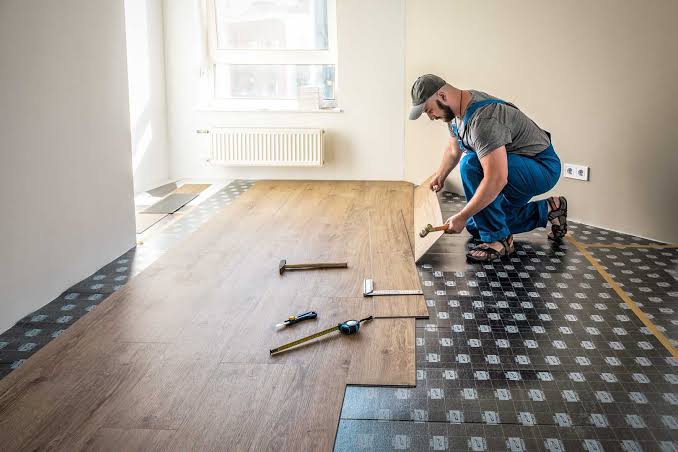

Home improvement projects have a way of multiplying. A loose cabinet hinge leads to noticing damaged trim, an outdated bathroom starts feeling less functional, and suddenly the list includes painting, flooring, storage, plumbing, and perhaps a complete renovation. The challenge is not always deciding what should be improved, but figuring out what should happen first.
A sensible plan helps homeowners avoid spending money twice or creating unnecessary disruption. Whether the goal is routine maintenance or high-quality house renovations, the strongest approach is usually to address problems according to urgency, function, and long-term impact rather than appearance alone. Prioritizing correctly can make each improvement support the next one.
Start With Problems That Can Cause Bigger Damage
The first projects on any home improvement list should usually involve issues that could become more expensive if they are ignored. Water leaks, damaged roofing materials, deteriorating exterior surfaces, electrical concerns, plumbing problems, and signs of moisture deserve attention before decorative upgrades.
A small leak around a fixture may seem less exciting than installing new flooring, but allowing moisture to continue can damage walls, cabinets, subfloors, and nearby finishes. Repairing the source first protects anything that will eventually be installed around it.
The same principle applies throughout the house. Before repainting a wall, determine why a stain appeared. Before replacing damaged flooring, find out what caused the deterioration. Solving the underlying problem prevents a new surface from hiding an issue that will simply return later.
Take Care of Everyday Repairs Before They Pile Up
Not every project needs to become a renovation. Homes naturally develop small problems through regular use, and many can be handled efficiently when they are addressed early.
Loose handles, damaged drywall, sticking doors, deteriorating caulk, worn trim, unstable shelving, and minor fixture problems may not affect the entire house, but they can gradually make a space feel neglected. Taking care of these jobs regularly keeps a home functional and can reduce the number of unexpected repairs that appear later.
It is often useful to group smaller tasks instead of dealing with each one separately. A homeowner might create a seasonal maintenance list and address several jobs during the same period. This approach makes upkeep easier to manage while also revealing whether certain problems keep returning and may require a more substantial solution.
Decide When Repairing Stops Making Sense
One of the hardest decisions is knowing when to keep repairing something and when to replace or remodel it. The answer often depends on how frequently problems occur, how much the existing feature limits daily life, and whether a larger project would solve several concerns at once.
A bathroom with one loose towel bar probably needs a simple repair. A bathroom with recurring plumbing issues, damaged surfaces, poor storage, outdated fixtures, and an awkward layout may be a better candidate for broader renovation. The same applies to kitchens, basements, utility spaces, and other frequently used areas.
Homeowners should also consider whether repeated small repairs are beginning to cost more than a planned upgrade would. When several unrelated jobs accumulate in the same area, reviewing the bigger picture can be worthwhile. The handymanhometeam.com/ website illustrates the range of everyday maintenance and repair tasks that often help keep homes functional between larger projects. Knowing the difference between routine upkeep and a true remodeling need can prevent unnecessary work.
Fix Function Before Focusing on Finishes
Once urgent repairs are handled, the next priority should usually be how the home functions. Attractive finishes matter, but they cannot compensate for a layout that does not work well or storage that constantly falls short.
Consider how each room is actually used. In a kitchen, traffic flow, counter space, appliance placement, lighting, and storage may have a greater effect on daily life than the exact color of the cabinets. In a bathroom, ventilation, accessibility, storage, and fixture placement may deserve attention before decorative details.
Planning function first also helps homeowners avoid expensive changes later. Moving plumbing or changing a layout after new flooring and cabinetry have already been installed can mean undoing recently completed work. Making major structural and mechanical decisions early allows finishes to be selected around a stable plan.
Coordinate Projects That Affect the Same Space
Home improvements are easier to manage when related projects are planned together. Replacing flooring just before removing cabinetry, for example, may create unnecessary labor. Painting walls before major electrical or plumbing changes could result in additional patching and repainting.
Thinking several steps ahead can prevent this kind of duplication. If a room will eventually need new lighting, flooring, cabinetry, and paint, homeowners should consider which tasks will disturb others. Demolition and behind-the-wall work generally come first, followed by structural repairs, mechanical upgrades, major installations, and finally decorative finishes.
This does not mean every project needs to happen immediately. A long-term improvement plan can be divided into phases. The important thing is knowing where the home is headed so that today’s repairs do not interfere with tomorrow’s renovation.
Build a Budget Around Priorities, Not Just Wish Lists
Budgeting becomes easier when projects are separated into categories. Essential repairs should have priority because postponing them can create additional costs. Functional improvements come next, followed by upgrades focused primarily on appearance or personal preference.
It is also wise to leave room for unexpected discoveries. Opening walls, removing old flooring, or dismantling outdated fixtures can reveal problems that were not visible beforehand. A financial cushion allows these issues to be addressed properly without forcing homeowners to abandon other important parts of the project.
Homeowners should also consider long-term value rather than focusing only on the lowest immediate price. A durable repair or well-planned renovation may cost more initially but reduce maintenance and replacement needs over time.
Let Each Improvement Support the Next
A well-planned home improvement strategy does not require renovating everything at once. In many cases, the best results come from handling urgent repairs first, staying consistent with routine maintenance, improving function where needed, and saving major remodeling projects for areas where they will make a meaningful difference.
The order matters because every project affects what comes afterward. Repairing damage before decorating protects new finishes. Planning layouts before choosing materials reduces waste. Coordinating related work prevents homeowners from paying to redo something they recently completed.
By thinking of home improvement as a sequence rather than a collection of unrelated projects, homeowners can make better decisions about where their time and money should go. Small repairs keep the property dependable today, while thoughtfully planned renovations can make it more comfortable and functional for years to come.