
A power cut has a useful way of revealing which parts of a home depend on electricity more than we realize. The lights are obvious, but then there is the fridge, Wi-Fi router, phone charging, heating controls, security equipment and perhaps pumps, medical equipment or other essential systems.
Backup power can make a home more resilient, but choosing a solution should involve more than simply finding the largest generator available. The right setup depends on what you actually need to keep running, how long you want to run it for, and how the equipment will be used safely.
Taking some time to plan before an outage can make the difference between having useful backup power and owning equipment that does not quite match the job.
Decide What Actually Needs to Stay On
Begin with priorities rather than products.
If the electricity disappeared for six hours, what would you genuinely need? What would become important after 24 hours? Your first list might include refrigeration, basic lighting, phones, internet equipment and heating-related systems.
There is an important difference between keeping the essentials operating and attempting to recreate normal household electricity use. An electric oven, tumble dryer and other high-demand appliances can dramatically increase the amount of power required.
Once you have identified your priorities, look at the running wattage of each device as well as any higher starting demand. Motors and compressors, for example, can require additional power when they start. Backup equipment therefore needs sufficient capacity for the combination of loads you expect it to handle.
This exercise also makes browsing Build The Power’s range of electric generators for sale more purposeful because you can compare potential options against a clearer idea of your household’s actual requirements.
Think in Terms of Duration as Well as Power
Two households could need exactly the same amount of instantaneous power but require very different backup systems.
One may experience occasional outages lasting an hour or two. Another might be preparing for weather-related disruption that could potentially continue overnight or longer.
Capacity and runtime therefore deserve as much attention as maximum output.
Battery-based systems, for instance, store a finite amount of energy and will eventually need recharging. Fuel-powered generators can potentially continue operating for longer provided there is an appropriate fuel supply, but introduce additional considerations including fuel storage, noise, maintenance and exhaust.
Consider what happens when the first few hours become an entire day. Where will additional energy come from? Can the system recharge when mains electricity returns? If fuel is involved, how will it be stored safely?
Thinking beyond the initial outage can expose weaknesses in a backup plan before they become real problems.
Build for the Home You Actually Live In
Backup power planning can quickly become a pursuit of bigger numbers: more watts, greater capacity and longer runtimes.
A better goal is resilience. A small household that mainly wants refrigeration, communications and a few lights may need a very different solution from a rural property dependent on electrically powered water pumps or a larger family wanting substantial household functionality during extended outages.
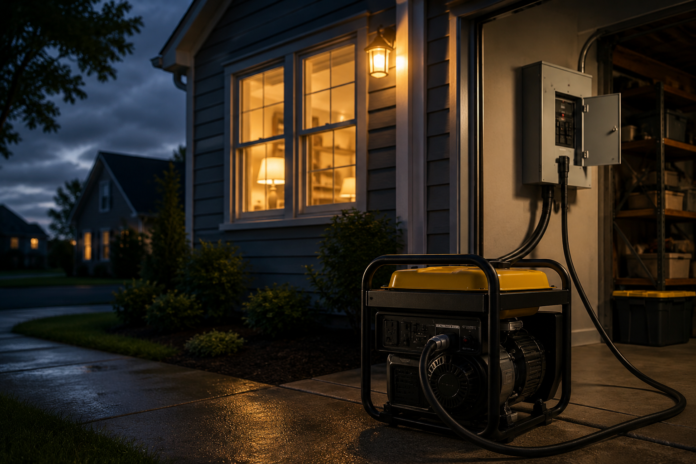
Practical considerations matter too. Think about where the equipment can be safely operated or stored, how essential devices will connect to it and whether professional electrical work is required. Fuel-burning generators, in particular, must be used in accordance with manufacturer instructions and never operated in enclosed spaces where dangerous exhaust gases can accumulate.
It is also worth considering who will actually use the equipment. A backup system should not depend on one person remembering a complicated sequence of steps during an emergency. Keep instructions accessible and make sure relevant members of the household understand the safe operating procedure.