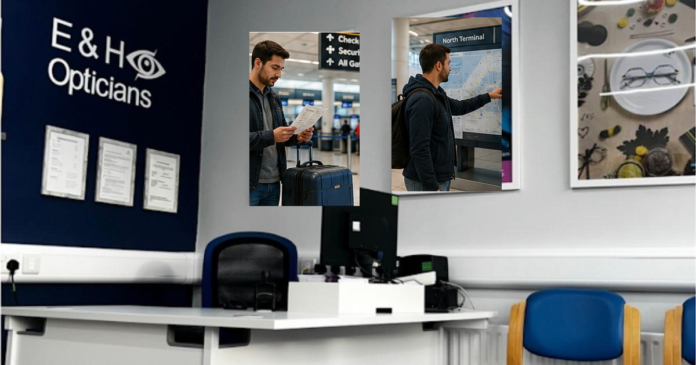

A visitor forms an impression of a business long before anyone greets them at the desk. The walls, doors and windows they pass on the way in are already telling a story, and if that story feels generic, the moment to leave a mark has slipped by. Office graphics give a company a way to shape that story on purpose, turning ordinary surfaces into a clear statement of identity and care.
Improving visitor experience does not call for a full fit-out. Well-placed graphics throughout an office can carry most of the work, guiding people through the space while reinforcing what the brand stands for at every stage of their visit.
Types Of Office Graphics That Improve Visitor Experience
Each type below suits a different area of a building, so a full graphics scheme usually draws on several of them together.
1. Personalised Wall Stickers
Wall stickers are one of the most flexible types of office graphics available, since they can be sized and shaped to fit almost any surface. Personalised wall stickers introduce a brand’s logo, colours or a short message directly onto a wall, giving a plain space an identity without any repainting or building work.
This type of graphic is affordable relative to its impact, since it covers a defined area and installs in a single visit. Businesses that want a consistent look often place the same style of sticker across reception, corridors and meeting rooms, so the branding feels connected rather than limited to one wall.
2. Window Decals
Windows offer a surface that’s visible from both inside and outside a building, which makes them a valuable type of graphic on their own. Window decals for business use apply a logo, tagline or pattern directly onto glass, giving passers-by and visitors something to notice before they ever step through the door.
This type of graphic makes good use of existing surfaces relative to its cost, since no new fixtures are needed to display it. Businesses that want their windows to work as hard as their signage often fit decals across every glass panel facing a public area, so the presence feels deliberate rather than partial.
3. Vinyl Prints
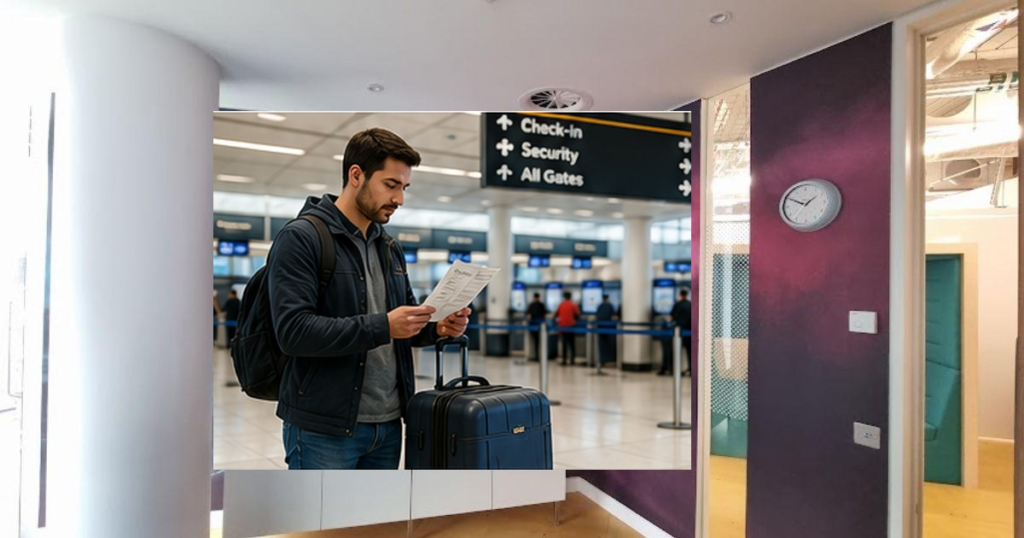
Vinyl prints stand out as a type of graphic because of the level of detail and colour they can carry, far beyond what paint or standard signage allows. Applied to a feature wall, desk front or partition, vinyl prints introduce texture and depth that give a space a more finished, considered feel.
This type of graphic holds its finish well relative to its lifespan, since a good print resists fading and wear for years. Businesses that want that quality to carry through often extend the same print style into nearby areas, so reception and the spaces around it feel like part of one design rather than separate choices.
4. Floor Graphics
Floor graphics are an often-overlooked type of office signage, yet they do real work in guiding people through a building. Printed directly onto flooring or laid as a durable overlay, they mark out routes, department names or safety zones without needing a wall at all.
This type of graphic proves useful relative to how often it’s seen, since every person passing through benefits from clear direction underfoot. Businesses that want a smooth layout often apply the same floor graphic system across every level of a building, so the route always feels familiar.
5. Etched or Frosted Glass
Etched and frosted glass sit apart from other types of graphic because of how subtle they are. Rather than adding colour or imagery, this type works with the glass itself, cutting a logo or pattern directly into the surface or applying a frosted film in a defined shape.
This type of graphic earns its place relative to its subtlety, since a small design detail on a meeting room door can carry as much weight as a larger display elsewhere. Businesses that want consistency in every meeting space often apply the same etched or frosted finish throughout, so the branding never feels like an afterthought.
6. Recognition and Culture Boards
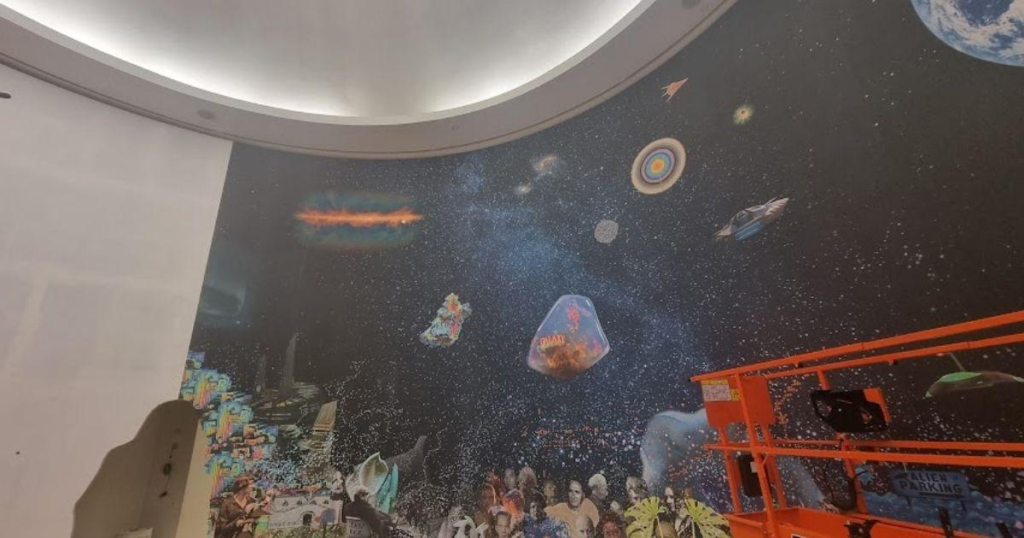
Recognition boards form a different type of office graphic altogether, built around people rather than branding elements. A board featuring team photos, work anniversaries or recent wins introduces a personal layer to a space that logos and colour schemes cannot provide on their own.
This type of graphic delivers a strong return relative to its simplicity, since it needs little more than photography and short write-ups to make an impact. Businesses that want this to feel genuine often place these boards somewhere people naturally pause, such as a break room or a corridor near reception.
7. Vinyl Lettering and Wall Text
Vinyl lettering is a type of graphic built around words rather than images, and it works well for mission statements, values or short messages a business wants people to absorb. Applied directly to a wall, it reads cleanly without the bulk of a printed sign or panel.
This type of graphic is effective relative to how little space it needs, since a single stretch of wall is enough to make an impact. Businesses that want a message to stick often place vinyl lettering in shared spaces like kitchens or break rooms, so it becomes part of the daily environment rather than something visitors see once.
Getting The Full Visitor Experience Right
No single type of office graphic can improve visitor experience on its own, which is why the strongest spaces rely on a combination of them working together. Wall stickers and window decals handle those crucial first impressions at the door, while vinyl prints and etched glass add depth and quality once visitors reach reception and meeting rooms.
Floor graphics and vinyl lettering then keep everyday spaces functional, guiding movement and reinforcing values in corridors, kitchens and break areas that visitors and staff pass through daily. Matched to the right area, this combination gives a business a way to shape visitor experience at every stage of a visit, from the first step through the door to the final meeting, without a single wall needing to come down.