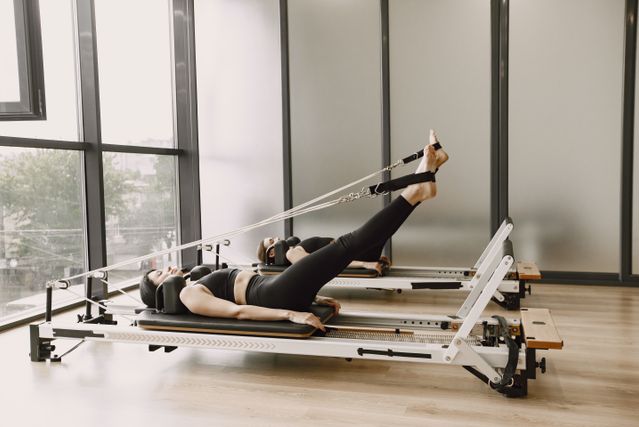

In the realm of fitness and rehabilitation, the reformer machine has emerged as a revolutionary tool to enhance the effectiveness of Pilates practice. This specialized equipment enables practitioners to engage in dynamic and controlled movements, supporting a wide range of abilities and fitness goals. By integrating the reformer machine into Pilates routines, users can significantly reformer machine elevate their strength, flexibility, and overall body awareness.
Understanding the Pilates Reformer Machine
The reformer machine is a versatile apparatus composed of a sliding carriage, adjustable springs for resistance, straps, and pulleys. It is designed to allow smooth, precise motions that complement the principles of Pilates: concentration, control, centring, flow, precision, and breathing. This equipment provides varying resistance levels making it adaptable for beginners through to advanced practitioners.
Enhancement of Muscle Strength and Endurance
One of the primary benefits of incorporating the reformer machine in Pilates practice is the targeted muscle strengthening it offers. The machine’s adjustable springs create resistance that challenges muscle groups in controlled ways. This encourages the development of both muscular strength and endurance, particularly in the core, glutes, legs, and shoulders. Such strengthening not only improves performance but also supports injury prevention.
Improvement of Flexibility and Range of Motion
The reformer machine facilitates a broad range of motion through its sliding carriage and straps, allowing exercisers to stretch and lengthen muscles effectively. This can lead to enhanced flexibility across major joints including the hips, spine, and shoulders. Improved flexibility contributes to better functional movement and reduced stiffness, promoting overall mobility and longevity in physical fitness.
Development of Core Stability and Postural Alignment
Central to Pilates is the focus on core stability, which the reformer machine supports by enabling exercises that strengthen the abdominal muscles, lower back, and pelvic floor. The dynamic platform challenges users to maintain postural alignment during fluid movement, which reinforces correct posture and reduces compensatory movement patterns. This aspect is particularly beneficial for those recovering from injuries or seeking to improve spinal health.
Customisation and Adaptability for Different Fitness Levels
The reformer machine’s design allows for extensive customisation. With adjustable springs and multiple strap positions, instructors and users can modify resistance and difficulty to suit individual needs. This adaptability makes it suitable for rehabilitation purposes, general fitness improvement, and advanced athletic training. It enables a personalised approach to fitness that can evolve with the practitioner’s progress.
Use in Rehabilitation Settings
Due to its low-impact nature and controllable resistance, the reformer machine is often employed in physical therapy and post-injury rehabilitation. It aids in restoring functional movement, strengthening weakened muscles, and improving balance without straining vulnerable joints. The support provided by the machine makes it a safe option for gradual recovery.
Promotion of Mind-Body Connection
As with traditional Pilates, the reformer machine emphasises mindful movement and breathing coordination. The requirement to control the carriage’s motion fosters concentration, body awareness, and purposeful engagement of muscle groups. This mind-body synergy enhances the quality of the workout and contributes to mental well-being.
Variety of Exercises and Routine Enhancements
The reformer machine accommodates a wide variety of Pilates exercises targeting different muscle groups. Users can perform movements while lying supine, prone, sitting, kneeling, or standing. This versatility prevents routine monotony and promotes balanced muscular development. Incorporating reformer machine workouts can invigorate regular Pilates sessions and introduce new challenges.
Efficiency in Achieving Fitness Goals
The capacity of the reformer machine to simultaneously engage multiple muscles and joints increases workout efficiency. Practitioners often experience improvements in strength, flexibility, and endurance more rapidly compared to mat-only Pilates exercises. This efficiency is ideal for those seeking tangible fitness outcomes within limited timeframes.
Safe and Controlled Movement Environment
One of the marked advantages of the reformer machine is its ability to create a controlled environment where movements are guided and supported. This is particularly important for individuals with mobility restrictions or conditions requiring modified exercise. The machine minimises risk by allowing users to focus on precise technique and alignment.
Expanding Access to Pilates Training
The increasing availability of reformer machines in fitness studios and home gyms has expanded access to Pilates training that was once limited by cost and availability of instructors. This accessibility enables a broader demographic to benefit from reformer-based Pilates, supporting health and wellness across diverse populations.
Conclusion: Transforming Pilates Practice with the Reformer Machine
Integrating the reformer machine into Pilates practice unlocks numerous fitness potentials, from core strengthening to enhanced flexibility and rehabilitation support. Its versatility and adaptability make it an indispensable tool for practitioners seeking to deepen their Pilates experience and achieve comprehensive physical conditioning. As the reformer machine continues to gain recognition, it stands as a cornerstone of modern Pilates training and fitness progression.