
Plant-related terminology can become confusing when a species has appeared under different scientific names and when abbreviations are commonly used online. MHRB and Mimosa hostilis are two terms frequently encountered in discussions about a particular South American plant and its root bark.
The modern botanical name commonly associated with this species is Mimosa tenuiflora, while Mimosa hostilis is a historical name that remains widely recognized. MHRB, meanwhile, is an abbreviation generally used for “Mimosa Hostilis Root Bark.”
Understanding how these terms relate to one another makes botanical information easier to interpret. It also helps distinguish the name of the plant from the particular part of the plant being described.
What Does MHRB Actually Mean?
MHRB is an abbreviation rather than a scientific name. It commonly stands for Mimosa Hostilis Root Bark.
Breaking the abbreviation into its individual components makes the terminology easier to understand:
- M refers to Mimosa.
- H refers to Hostilis.
- RB refers to Root Bark.
The abbreviation is particularly common in online discussions and general references. However, it does not represent a separate species or botanical variety.
When someone refers to MHRB, they are generally referring to root bark associated with the plant historically called Mimosa hostilis.
Where Does Mimosa Hostilis Fit Into Plant Taxonomy?
Mimosa hostilis is a historical botanical name associated with Mimosa tenuiflora. Modern botanical literature commonly uses Mimosa tenuiflora when identifying the species.
The plant belongs to the Fabaceae family, also known as the legume family. This large family includes trees, shrubs, herbs, and numerous other flowering plants.
It is also part of the Mimosa genus, which contains multiple species. Therefore, simply using the word “Mimosa” is not enough to identify a particular plant.
The complete scientific name provides greater precision and reduces confusion with other members of the genus.
Why Does the Name M Hostilis Appear?
The shortened form m hostilis is another way the historical scientific name may appear in informal writing or search queries.
In botanical naming, the genus name can sometimes be abbreviated after it has already been established in a text. Consequently, Mimosa hostilis may appear as M. hostilis.
Online content can also use variations such as “m hostilis” because people search for the plant using different forms of its historical name.
Understanding these variations is useful when researching older publications, archived botanical information, and modern web pages.
The Modern Name: Mimosa Tenuiflora
Mimosa tenuiflora is the scientific name commonly encountered in contemporary botanical references.
Scientific names can change as taxonomic research develops. Botanists may revise classifications when new evidence provides a better understanding of relationships between species.
This does not mean older literature suddenly becomes irrelevant. Historical names remain important because scientific papers, books, herbarium records, and ethnobotanical documents may have been published using terminology that was accepted at the time.
For this reason, researchers may need to recognize both Mimosa tenuiflora and Mimosa hostilis when investigating the species.
The Difference Between a Plant Name and a Plant Part
One of the easiest ways to understand MHRB terminology is to separate the plant’s name from the material being described.
Mimosa tenuiflora identifies the species.
Mimosa hostilis represents the historical name associated with that species.
MHRB describes root bark associated with the plant.
This distinction prevents a common misunderstanding. MHRB is not another species of Mimosa. It is a description of a particular plant material connected with the species.
A phrase such as mhrb 1kg therefore refers to a stated quantity of root bark material. The number describes quantity rather than botanical classification.
A Brief Look at the Plant Itself
Mimosa tenuiflora is a woody shrub or small tree associated particularly with dry regions of Latin America.
Its natural distribution is strongly connected with northeastern Brazil, where seasonal rainfall and extended dry periods create challenging growing conditions.
The plant has compound leaves consisting of numerous small leaflets. Branches may feature thorns, and the species produces small flowers and seed-bearing pods.
These characteristics are useful when examining the living plant because they provide several features that can assist with botanical identification.
The Natural Habitat Behind the Terminology
The environment in which a plant develops can tell researchers a great deal about its biology.
Mimosa tenuiflora is adapted to landscapes where water availability can change considerably during the year. It can occur in dry woodland, scrub vegetation, open areas, and disturbed habitats.
Its ability to persist in seasonally dry conditions is one of its notable ecological characteristics.
Climate, soil composition, rainfall, sunlight, and local vegetation can all influence individual plants. This natural variation is important when comparing descriptions from different geographical locations.
What Does Root Bark Mean Botanically?
Bark consists of protective tissues associated with woody plant structures. Root bark develops around the plant’s underground roots and therefore experiences conditions that differ from those affecting stems and branches.
Soil moisture, temperature, physical pressure, microorganisms, and root age can influence its development.
Once separated from the living plant and dried, root bark becomes a distinct botanical material. Its color and texture can vary naturally depending on the source plant and how the material has been handled.
It is therefore useful to avoid assuming that every sample will have exactly the same appearance.
Why MHRB Can Look Different From Sample to Sample
Biological materials naturally show variation.
Root bark may differ because of:
- Plant maturity
- Geographic origin
- Soil characteristics
- Seasonal weather
- Root development
- Drying conditions
- Physical processing
- Storage environment
Dried material may display different shades of brown and variations in texture. These differences do not necessarily mean that the material comes from another species.
Visual characteristics can provide descriptive information, but they should not be treated as definitive proof of botanical identity.
How Processing Changes the Appearance
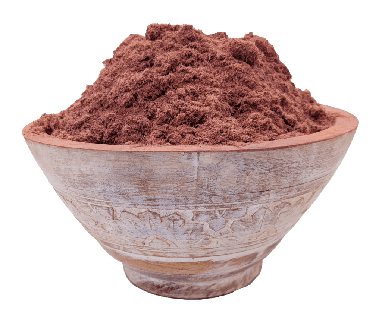
Root bark can exist as larger pieces, smaller fragments, or finely divided material.
Larger pieces may retain visible layers and natural contours. Smaller fragments provide less structural information, while powdered material contains very little of the original bark’s recognizable form.
This distinction is important because processing can make botanical identification more difficult.
An intact Mimosa tenuiflora plant offers leaves, flowers, branches, seed pods, and other characteristics for examination. A processed root-bark sample does not retain most of these features.
Consequently, documented origin and reliable botanical references become increasingly important as plant material becomes more processed.
MHRB and Botanical Research
The abbreviation MHRB is most useful when understood alongside the plant’s scientific terminology.
Someone researching MHRB may encounter Mimosa hostilis, Mimosa tenuiflora, M. hostilis, or other variations in different sources.
Rather than treating these as completely unrelated terms, it is more useful to examine the historical relationship between them.
Using multiple relevant names during research can help locate older literature and compare it with contemporary botanical information.
Why Scientific Terminology Matters Online
Search engines contain information from many periods, countries, and sources. As a result, the same plant may be described using historical terminology in one place and modern terminology in another.
For example, m hostilis may appear in an older discussion, while a scientific article may use Mimosa tenuiflora.
This does not necessarily represent a disagreement about the plant itself. It may simply reflect differences in naming conventions.
Understanding botanical synonyms is therefore an important research skill, especially when investigating species with a long history of scientific documentation.
General Storage Considerations for Dried Root Bark
Dried botanical materials can be affected by their surrounding environment. Moisture is particularly important because prolonged humidity can change texture and may encourage deterioration.
Fine plant material generally has more exposed surface area than larger pieces, allowing it to interact more readily with surrounding air.
For general botanical preservation, dry and stable conditions are preferable. Protection from excessive humidity, direct sunlight, heat, and contamination can help maintain the physical condition of dried plant material.
Material displaying visible mold, unusual persistent odors, or unexpected dampness should be treated cautiously.
The Ethnobotanical Background
Mimosa tenuiflora also has a documented ethnobotanical history. Communities living within its natural range have developed knowledge about local plants over generations.
Ethnobotany records relationships between people and vegetation and can provide valuable historical context.
However, historical plant use should not automatically be interpreted as evidence of modern safety or effectiveness. Traditional knowledge and contemporary scientific research represent different forms of evidence and should be discussed separately.
A Quick Terminology Reference
| Term | General meaning |
| Mimosa tenuiflora | Modern scientific name commonly associated with the species |
| Mimosa hostilis | Historical scientific name |
| M. hostilis | Abbreviated form of the historical name |
| MHRB | Common abbreviation for Mimosa Hostilis Root Bark |
| Root bark | A specific plant material obtained from the roots |
This simple distinction makes most MHRB-related terminology much easier to understand.
Frequently Asked Questions
What does MHRB stand for?
MHRB commonly means Mimosa Hostilis Root Bark.
Is MHRB a plant species?
No. It is an abbreviation describing a particular plant material.
What is the modern name for Mimosa hostilis?
Mimosa tenuiflora is the scientific name commonly used in modern botanical references.
What does M hostilis mean?
It is an abbreviated form of the historical name Mimosa hostilis.
Where does Mimosa tenuiflora grow?
It is strongly associated with northeastern Brazil and other areas of Latin America.
What family does the species belong to?
It belongs to the Fabaceae family.
Can root bark naturally vary in appearance?
Yes. Geography, plant age, climate, soil, processing, and storage can influence its appearance.
Why are both botanical names still used?
Mimosa hostilis remains common in historical and general references, while Mimosa tenuiflora is widely used in contemporary botanical literature.
Conclusion
The terminology surrounding MHRB becomes much simpler once the different terms are separated. Mimosa tenuiflora is the modern scientific name commonly associated with a plant historically called Mimosa hostilis. MHRB is an abbreviation referring to root bark associated with that species, while M. hostilis is simply a shortened version of the historical botanical name.
The plant itself is a resilient woody species associated with seasonally dry environments in Latin America. Its taxonomy, natural habitat, physical characteristics, and ethnobotanical history all contribute to its broader botanical significance.
Understanding the terminology provides a useful foundation for researching historical literature, modern botanical references, and descriptions of MHRB without confusing a plant’s scientific name with the particular plant material being discussed.